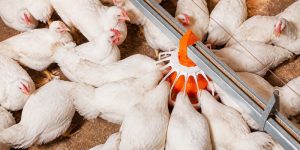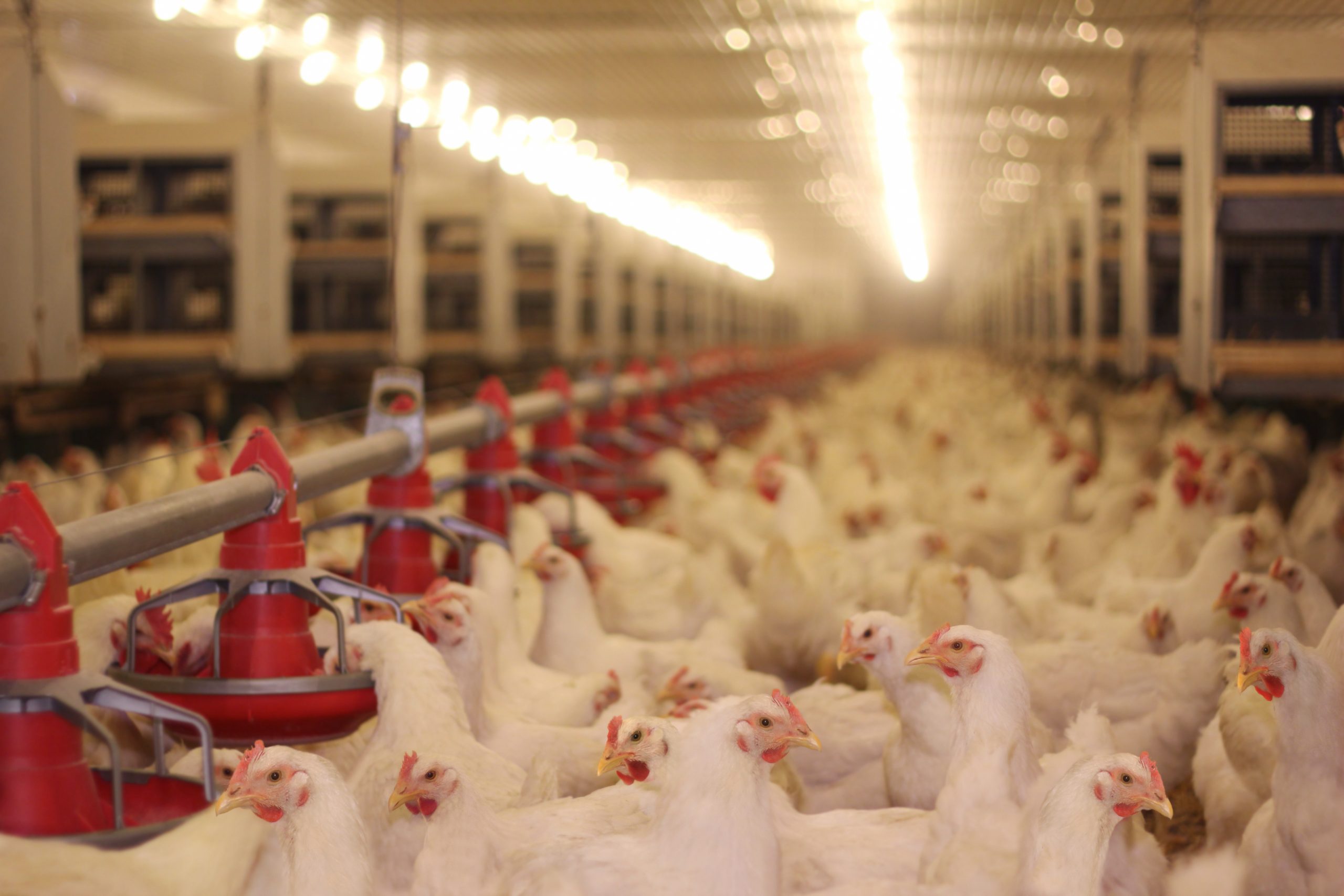
Turning agricultural waste into poultry feed is a highly sustainable and cost-effective strategy that converts crop residues, fruit/vegetable trimmings, and agro-industrial byproducts into nutrient-rich animal nutrition. This process reduces landfill reliance, slashes farming input costs, and upgrades low-value materials into high-quality animal proteins.
Key Methods of Upcycling Agro-Waste
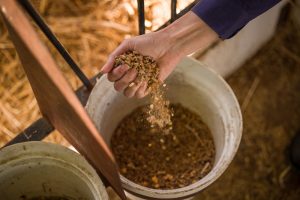
Solid-State Fermentation: Mixes chopped green waste (e.g., cabbage, spinach, cassava leaves) with rice bran or wheat bran. Introducing a “booster feed” or probiotic culture initiates fermentation, enriching the mixture with microbial protein while eliminating toxins and pathogens.
Insect Farming Integration: Rears Black Soldier Fly Larvae (BSFL) or red worms directly on organic crop and food waste. The larvae rapidly digest the waste, yielding a harvested, high-protein insect meal that seamlessly replaces expensive fishmeal in poultry diets.

Bioprocessing and Microbial Extraction: Utilizes anaerobic digestion to break down organic side streams into volatile fatty acids. These acids serve as a substrate to cultivate protein-rich fungal biomass or methanotrophic bacteria, resulting in an additive containing over 75% crude protein.
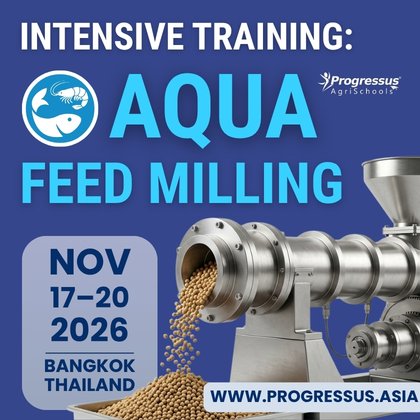
Dehydration and Pelletizing: Gathers commercial market waste, extracts excess moisture, and mills the leftovers into a dry compound. Industrial machinery like those highlighted on RICHI Pellet Machine compacts this nutrient matrix into stable feed pellets containing an optimal 19% protein content.
Common Target Waste Materials
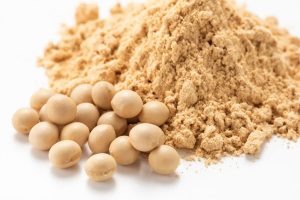
Crop Residues: Stalks, husks, and hulls from grains, as well as bioactive-rich stems and leaves from crops like soybeans.
Horticultural Rejects: Damaged or unmarketable fruits, peels, trimmings, and discarded vegetables (e.g., carrots, bananas, and brassicas).
Agro-Industrial Byproducts: Oil press cakes (sunflower, groundnut, palm), brewer’s spent grains, and milling byproducts like fine bran.


Subscribe now to the technical magazine of animal nutrition
AUTHORS
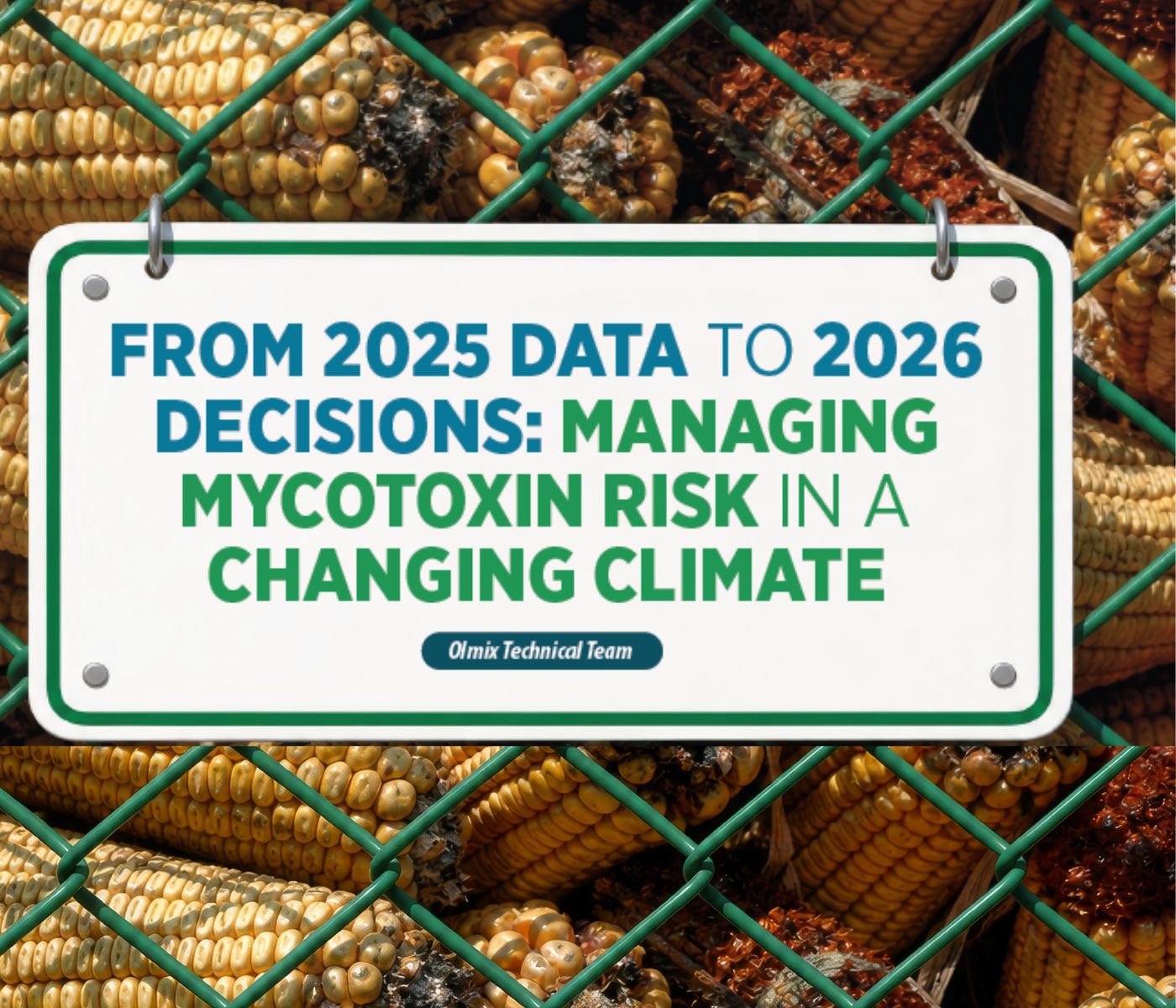
From 2025 Data to 2026 Decisions: Managing Mycotoxin Risk in a Changing Climate
Trenton Corby
Alterion® NE Celebrates 10 Years of Poultry Gut Health Innovation
The Science Behind Kolin Plus: Beyond Choline Replacement
Summer Infertility in Sows: Managing Heat Stress and Reproductive Performance
AO-Biotics® Amaferm®: Supporting Livestock Digestion and Performance

Interview with Güner Gövenç
nutriNews International Technical Team
Net Energy and Precision Feeding Shape the Future of Poultry Nutrition
Edgar Oviedo
Mycotoxins in Swine: Health Risks and Nutritional Solutions
Giuseppe Carcò
Mycotoxins and Piglet Ear Necrosis: Cause, Cofactor or Coincidence?
Alberto Morillo
How Mycotoxins Affect Intestinal Health in Pigs and Poultry
Marcos Rostagno
From Antibiotics to Functional Feeds in Aquaculture
Babatunde Saliu
Peas as an Alternative to Soybean Meal in Beef Cattle Finishing Diets
Sandra Costa-Roura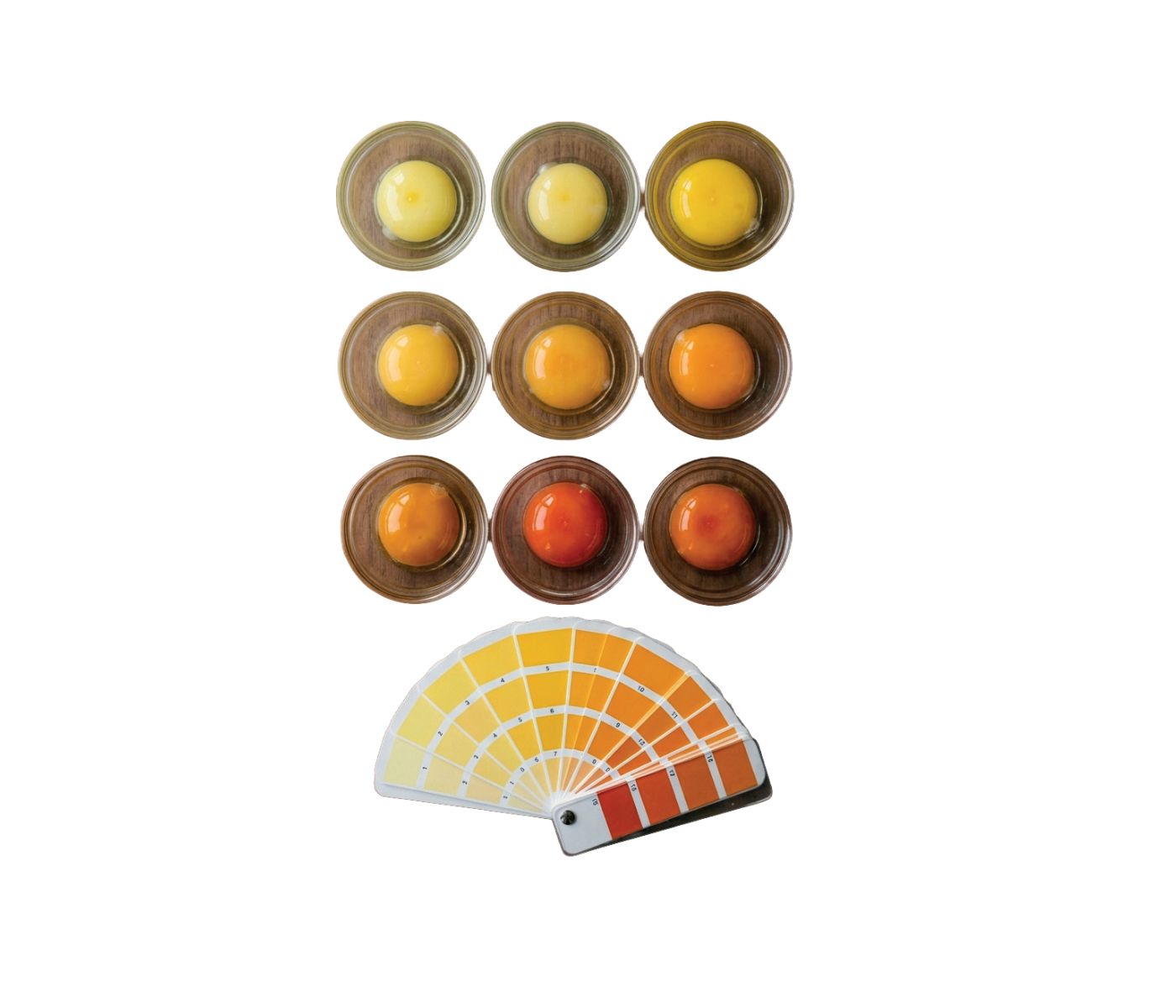
Improving Egg Yolk Pigmentation Through Better Nutrient Transport
Aquaculture and Aquaponics Nutrition: How Fish Shape the Growth of Greens
Trenton Corby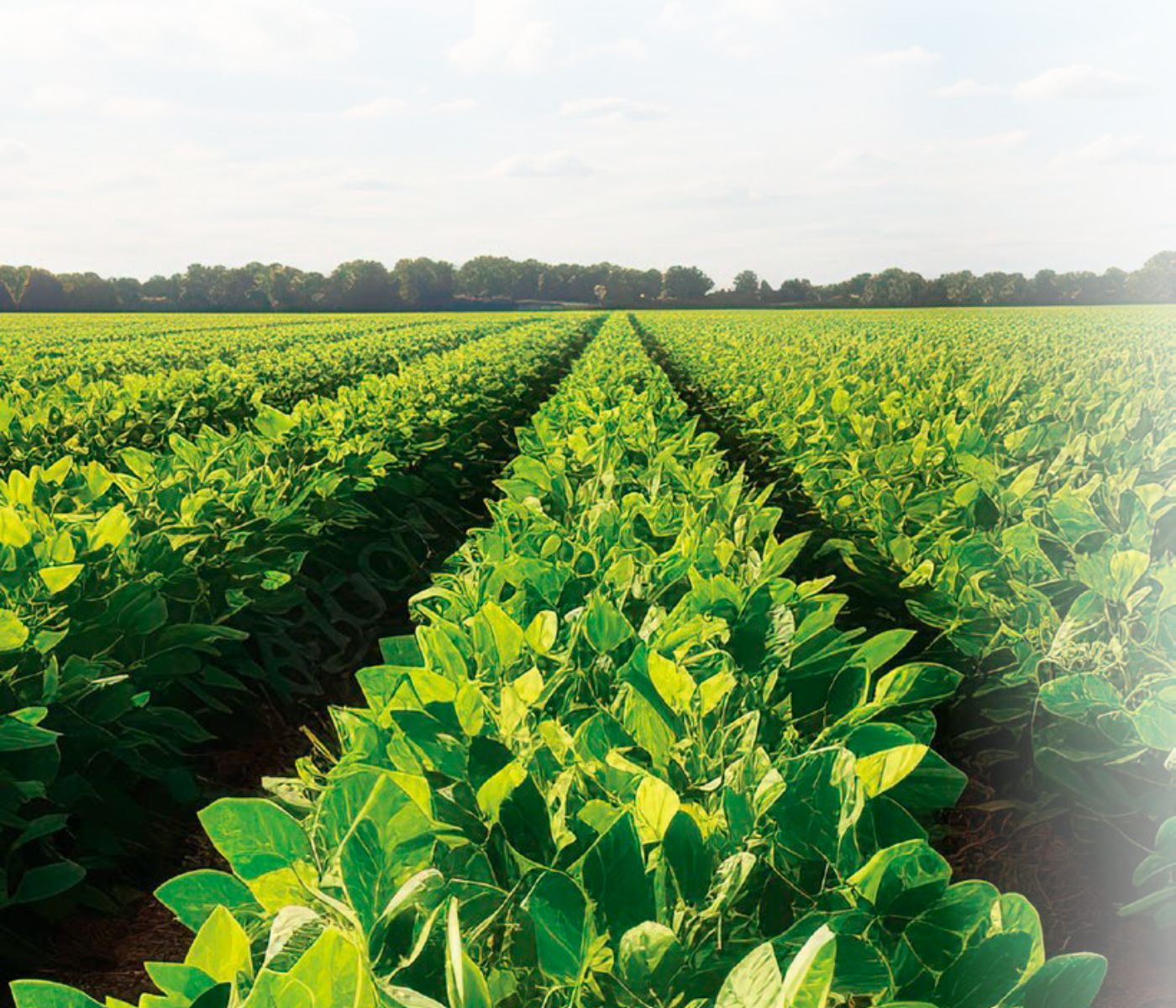
Consistency in Soybean Meal Drives Performance and Sustainability