 07 Mar 2024
World Bank report explores recent impacts on commodity markets
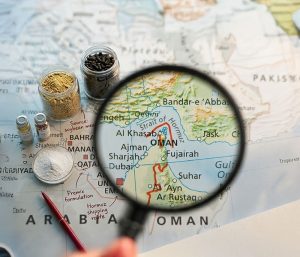
Drawing insights from the latest World Bank Commodity Market Outlook report, the recent escalation of conflict in the Middle East has introduced significant uncertainty into global commodity markets. Preceding the conflict, voluntary oil supply withdrawals by OPEC+ members had already pushed energy prices up by 9 percent in the third quarter. Consequently, the World Bank’s commodity price index surged by 5 percent over that period, standing 45 percent above its 2015-19 average.
Impacts of the Conflict on Commodity Prices
Current Situation and Potential Risks

Despite the conflict’s onset, the immediate impact on commodity prices has remained relatively subdued. While oil and gold prices have seen moderate increases, most other commodity prices have remained stable. However, there’s a looming risk of escalation, potentially leading to surging prices of oil and other commodities, exacerbating food insecurity in the region and globally.
Special Focus: Preliminary Assessment
The report includes a Special Focus section assessing the potential impact of the conflict on commodity prices. Assuming the conflict doesn’t escalate, the baseline forecast suggests a slight decline in commodity prices over the next two years. However, the assessment also considers three risk scenarios, estimating the effects of disruptions to global oil supply, contingent on their scale and duration.

Market Trends
Energy Prices and Supply Dynamics
Energy prices saw a 9 percent rise in the third quarter of 2023, driven by various factors including supply cuts by OPEC+ and labor strikes affecting European natural gas prices. While production cuts by OPEC+ have supported prices, robust production outside the group has mitigated some of these effects.
Metals and Mineral Trends
Metal prices experienced a slight decline since the conflict began, with gold prices increasing by 8 percent due to geopolitical concerns. However, prolonged disruptions to energy markets could impact production costs for energy-intensive metals. Before the conflict, metal prices fell by 2 percent in the third quarter due to weaknesses in China’s heavy industry sector.
Outlook and Risk Assessment
The baseline forecasts anticipate a limited impact of the conflict on commodity prices, primarily driven by fundamental supply and demand factors. However, geopolitical risks pose significant upside risks to prices, especially if the conflict escalates. Historical precedents suggest substantial supply disruptions and soaring prices in such scenarios.
Managing Risks and Uncertainties
Despite the current stability in commodity markets, uncertainties remain significant, particularly given the heightened geopolitical tensions in the Middle East. Vigilant monitoring and strategic risk mitigation are essential to ensure stability in global commodity markets amidst ongoing conflicts and geopolitical uncertainties.
Read the full report here
Source: World Bank
You may also like to read: “Almond Husks: A Nutrient-Rich, Cost-Effective Livestock Feed Solution”
Subscribe now to the technical magazine of animal nutrition
AUTHORS
From 2025 Data to 2026 Decisions: Managing Mycotoxin Risk in a Changing Climate
Alterion® NE Celebrates 10 Years of Poultry Gut Health Innovation
The Science Behind Kolin Plus: Beyond Choline Replacement

Summer Infertility in Sows: Managing Heat Stress and Reproductive Performance
AO-Biotics® Amaferm®: Supporting Livestock Digestion and Performance

Interview with Güner Gövenç
Güner Gövenç,
Net Energy and Precision Feeding Shape the Future of Poultry Nutrition
Edgar Oviedo
Mycotoxins in Swine: Health Risks and Nutritional Solutions
Giuseppe Carcò
Mycotoxins and Piglet Ear Necrosis: Cause, Cofactor or Coincidence?
Alberto Morillo
How Mycotoxins Affect Intestinal Health in Pigs and Poultry
Marcos Rostagno
From Antibiotics to Functional Feeds in Aquaculture
Babatunde Saliu
Peas as an Alternative to Soybean Meal in Beef Cattle Finishing Diets
Daniel Villalba Mata,
Improving Egg Yolk Pigmentation Through Better Nutrient Transport

Aquaculture and Aquaponics Nutrition: How Fish Shape the Growth of Greens
Trenton Corby
Consistency in Soybean Meal Drives Performance and Sustainability