 02 Feb 2023
Antimicrobial peptides represent an interesting alternative within animal nutrition and production.
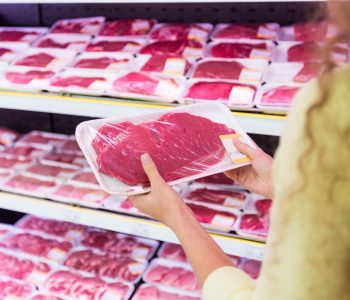
In recent years, consumers have changed their perspectives when purchasing food products, focusing more on food safety (Heneghan, 2015).


Antimicrobial resistance (AMR)
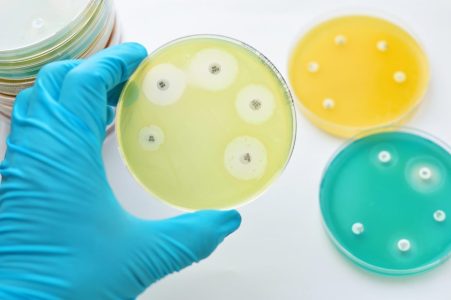
AMR is considered one of the great challenges for the human health system at present. Approximately 700,000 people die each year from uncontrolled infections (World Health Organization, 2019).
AMR has increased in recent years and there are 6 pathogens with high multiresistance and virulence that stand out:

(ESKAPE)
 Although the transmission of antibiotic-resistant bacteria between humans and animals is not fully understood, we do know that antibiotic-fed animals have more antibiotic-resistant bacteria than those fed antibiotic free diets.
Antimicrobial peptides(AMPs)
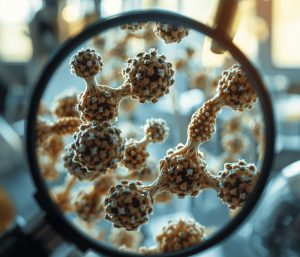
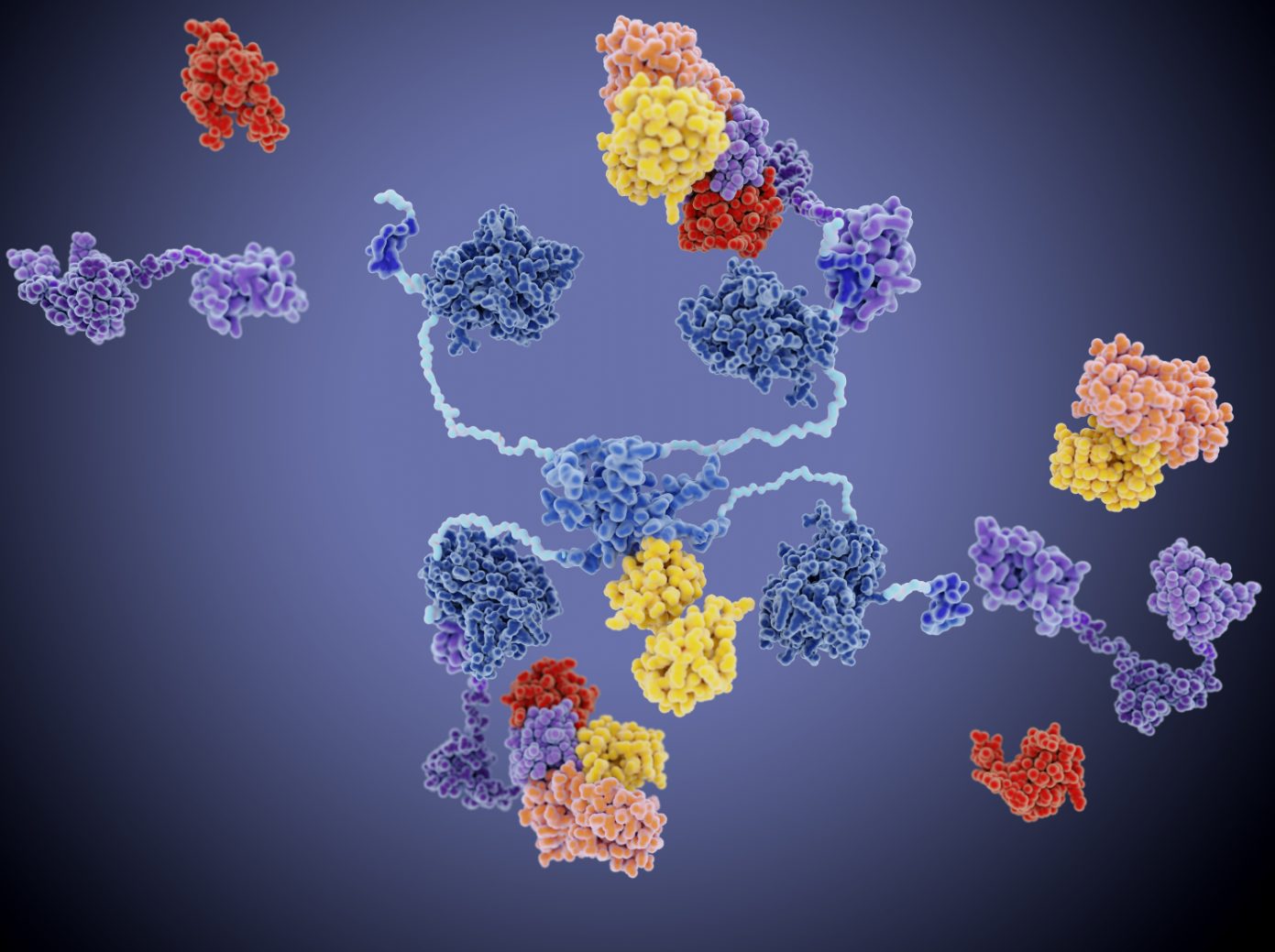
AMPs are low molecular weight molecules, produced in various types of animal and plant cells, with great biological activity against bacteria, viruses and fungi (Lai and Gallo, 2009).
Continue reading: “Effects of fiber and lignocellulose inclusion in piglet diets.”

Subscribe now to the technical magazine of animal nutrition
AUTHORS
From 2025 Data to 2026 Decisions: Managing Mycotoxin Risk in a Changing Climate
Trenton Corby
Alterion® NE Celebrates 10 Years of Poultry Gut Health Innovation
The Science Behind Kolin Plus: Beyond Choline Replacement
Summer Infertility in Sows: Managing Heat Stress and Reproductive Performance
AO-Biotics® Amaferm®: Supporting Livestock Digestion and Performance

Interview with Güner Gövenç
nutriNews International Technical Team
Net Energy and Precision Feeding Shape the Future of Poultry Nutrition
Edgar Oviedo
Mycotoxins in Swine: Health Risks and Nutritional Solutions
Giuseppe Carcò
Mycotoxins and Piglet Ear Necrosis: Cause, Cofactor or Coincidence?
Alberto Morillo
How Mycotoxins Affect Intestinal Health in Pigs and Poultry
Marcos Rostagno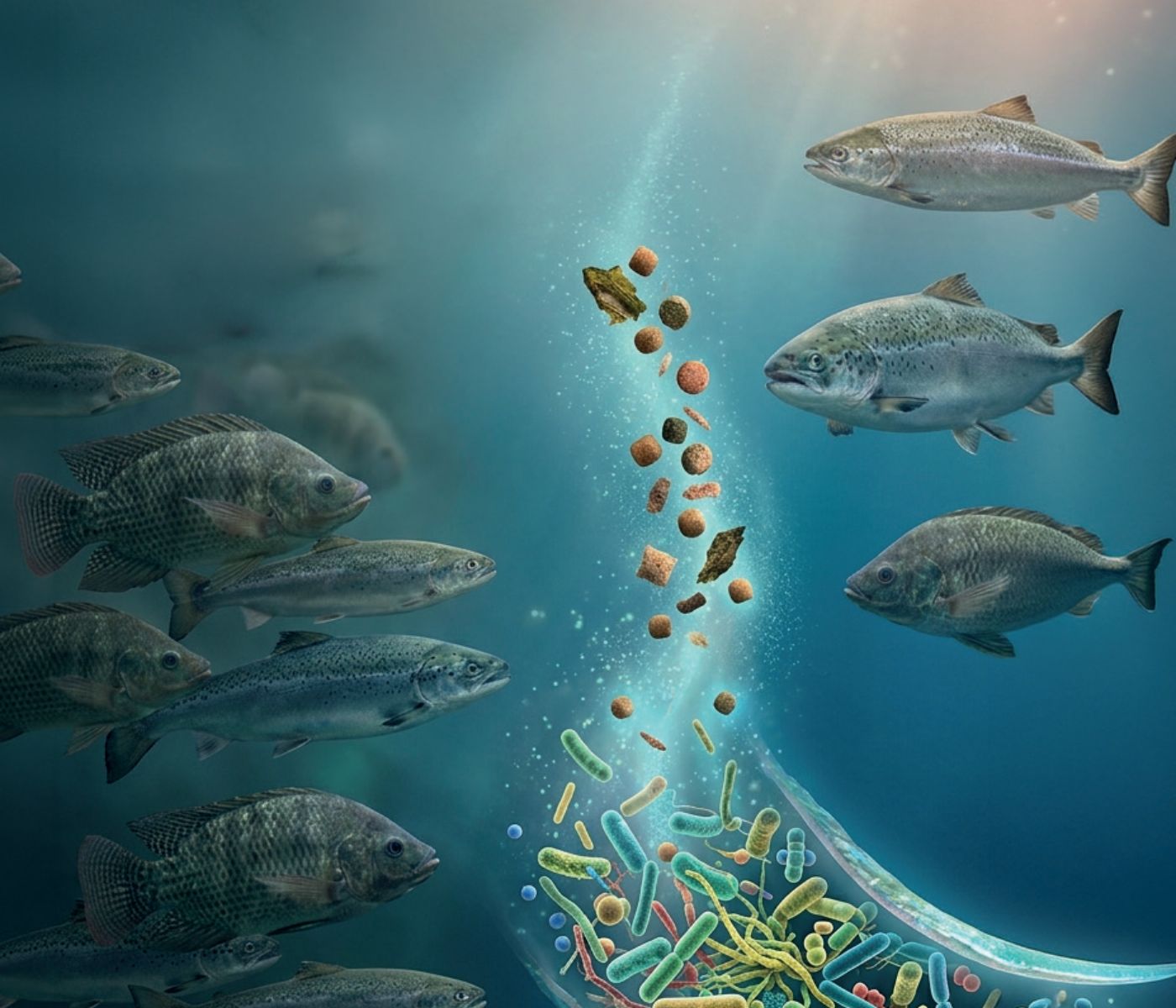
From Antibiotics to Functional Feeds in Aquaculture
Babatunde Saliu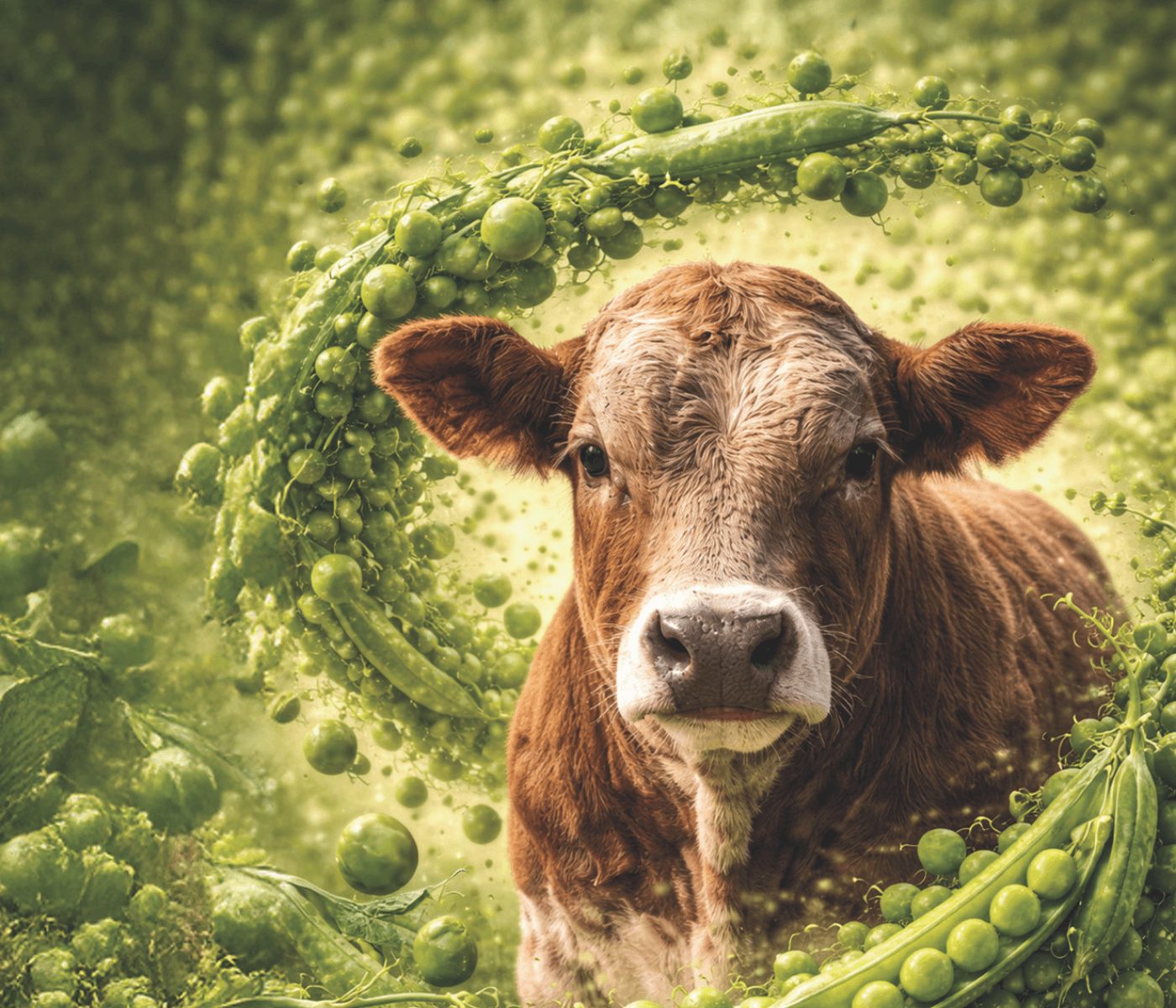
Peas as an Alternative to Soybean Meal in Beef Cattle Finishing Diets
Sandra Costa-Roura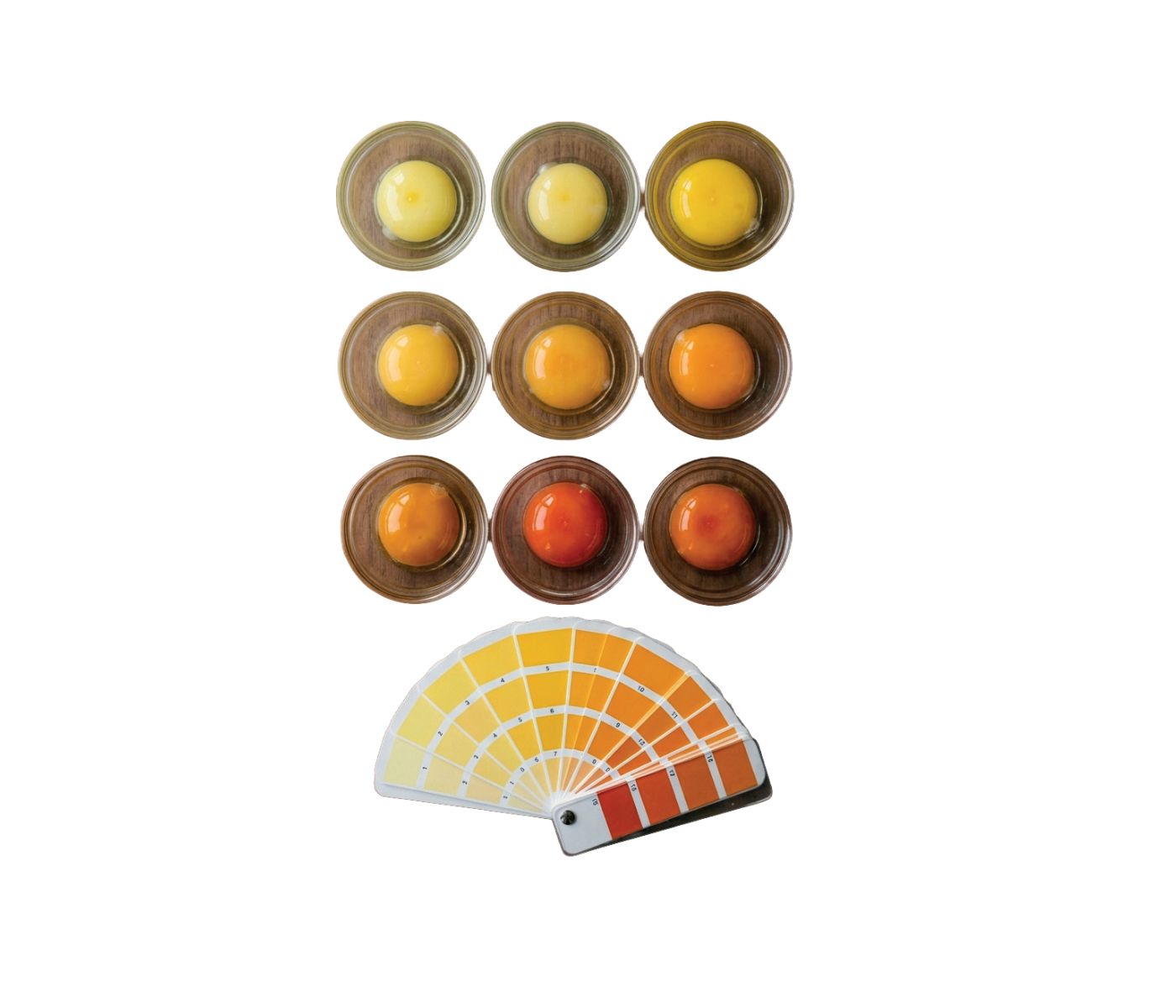
Improving Egg Yolk Pigmentation Through Better Nutrient Transport

Aquaculture and Aquaponics Nutrition: How Fish Shape the Growth of Greens
Trenton Corby
Consistency in Soybean Meal Drives Performance and Sustainability