 26 Jan 2023
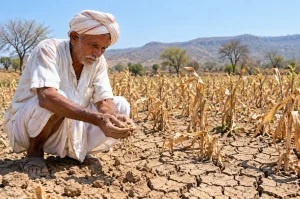
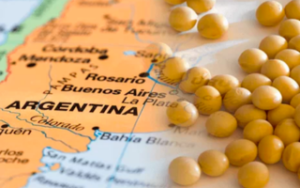
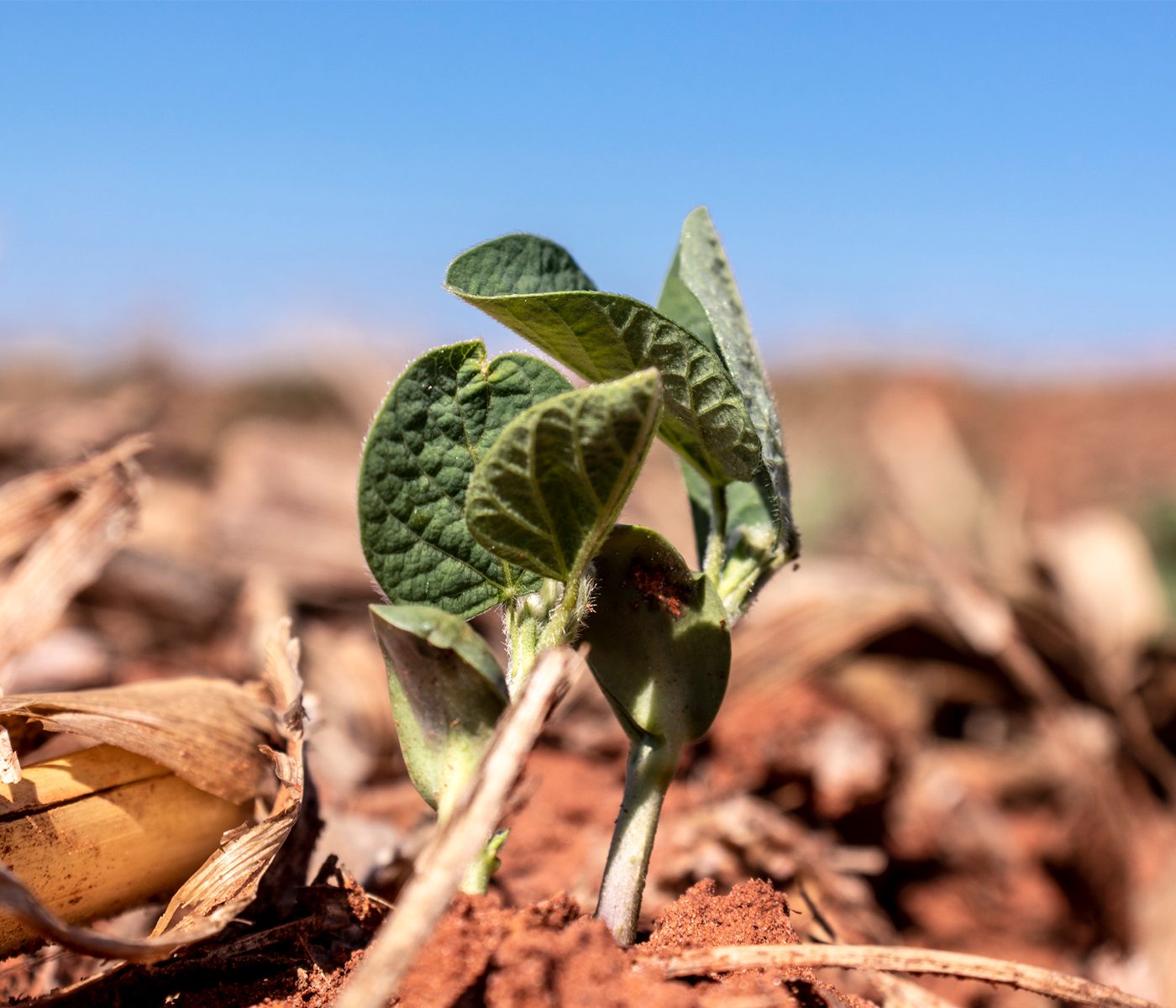
Argentina finds itself under a soybean crisis due to a very harsh drought that has been affecting the region for the last couple of months. Aggravating the country’s economic stability while under a scenario of social and political turmoil. As the country faces serious financial problems one of its main sources for injecting dollars into the economy finds itself truly hampered by the harsh climate conditions. Putting producers on a very tricky spot, as well as the whole agri food chain.
The lack of rain and strong temperatures in regions such as the Pampa Húmeda, which is one of the main soybean producing regions within the country has significantly affected production. The lack of adequate conditions for the development of this crop,has seriously diminished its production levels. As recognized by local entities involved in agricultural commodities’ trade such as the Stock Exchange of the city of Rosario.
| “”Despite previous knowledge regarding the fact that this would be difficult campaign due to drought. No one had foreseen such an extreme scenario. As this has most certainly surpassed producer’s worst nightmares.“ |
Authorities expected a approximate production 19.7 million tons for the country’s most fertile region (which includes the plains at the center of the country). However, under recent conditions, “it is expected that production levels will drop to 10.7 million tons. Yet, the number continues falling apart and yielding every week” as stated by the report from the Rosario Stock Exchange(Argentina).
Aware of the impacts that this will have on producers’ pockets, leaders of different agricultural groups and cooperatives have set the alarms off. Warning the public, as well as government authorities about the current situation. Considering the fact that it is highly likely that important production sectors may not be able to harvest anything at all during this campaign. Therefore, the fear of bankruptcy lingers in the air, as it has become an extremely worrying matter.


As for the aforementioned report, soybean production could drop from 48 million tons, to 35.5 million, which would not only have an impact on the pockets of Argentinian producers, but also on various consumers around the world.
If one takes into account that the South American country is one of the main producers of soybean meal and oil. Therefore this current situation can represent a significant contraction in global supply.
Argentina certainly finds itself under serious “heat”, and the rest of the world will keep an attentive eye on how this scenario develops.


Source:
elnuevosiglo.com.co
semana.com
You may also like: “Waste streams and insects. In search of alternative protein sources”




Subscribe now to the technical magazine of animal nutrition
AUTHORS
From 2025 Data to 2026 Decisions: Managing Mycotoxin Risk in a Changing Climate

Alterion® NE Celebrates 10 Years of Poultry Gut Health Innovation

The Science Behind Kolin Plus: Beyond Choline Replacement

Summer Infertility in Sows: Managing Heat Stress and Reproductive Performance

AO-Biotics® Amaferm®: Supporting Livestock Digestion and Performance

Interview with Güner Gövenç
Güner Gövenç,
Net Energy and Precision Feeding Shape the Future of Poultry Nutrition
Edgar Oviedo
Mycotoxins in Swine: Health Risks and Nutritional Solutions
Giuseppe Carcò
Mycotoxins and Piglet Ear Necrosis: Cause, Cofactor or Coincidence?
Alberto Morillo
How Mycotoxins Affect Intestinal Health in Pigs and Poultry
Marcos Rostagno
From Antibiotics to Functional Feeds in Aquaculture
Babatunde Saliu
Peas as an Alternative to Soybean Meal in Beef Cattle Finishing Diets
Daniel Villalba Mata,
Improving Egg Yolk Pigmentation Through Better Nutrient Transport

Aquaculture and Aquaponics Nutrition: How Fish Shape the Growth of Greens
Trenton Corby
Consistency in Soybean Meal Drives Performance and Sustainability