 23 Nov 2022
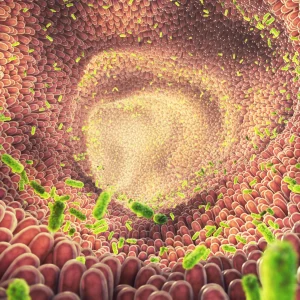
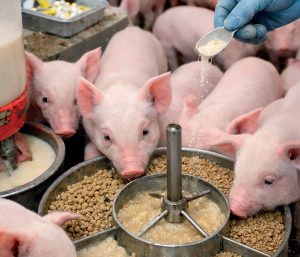
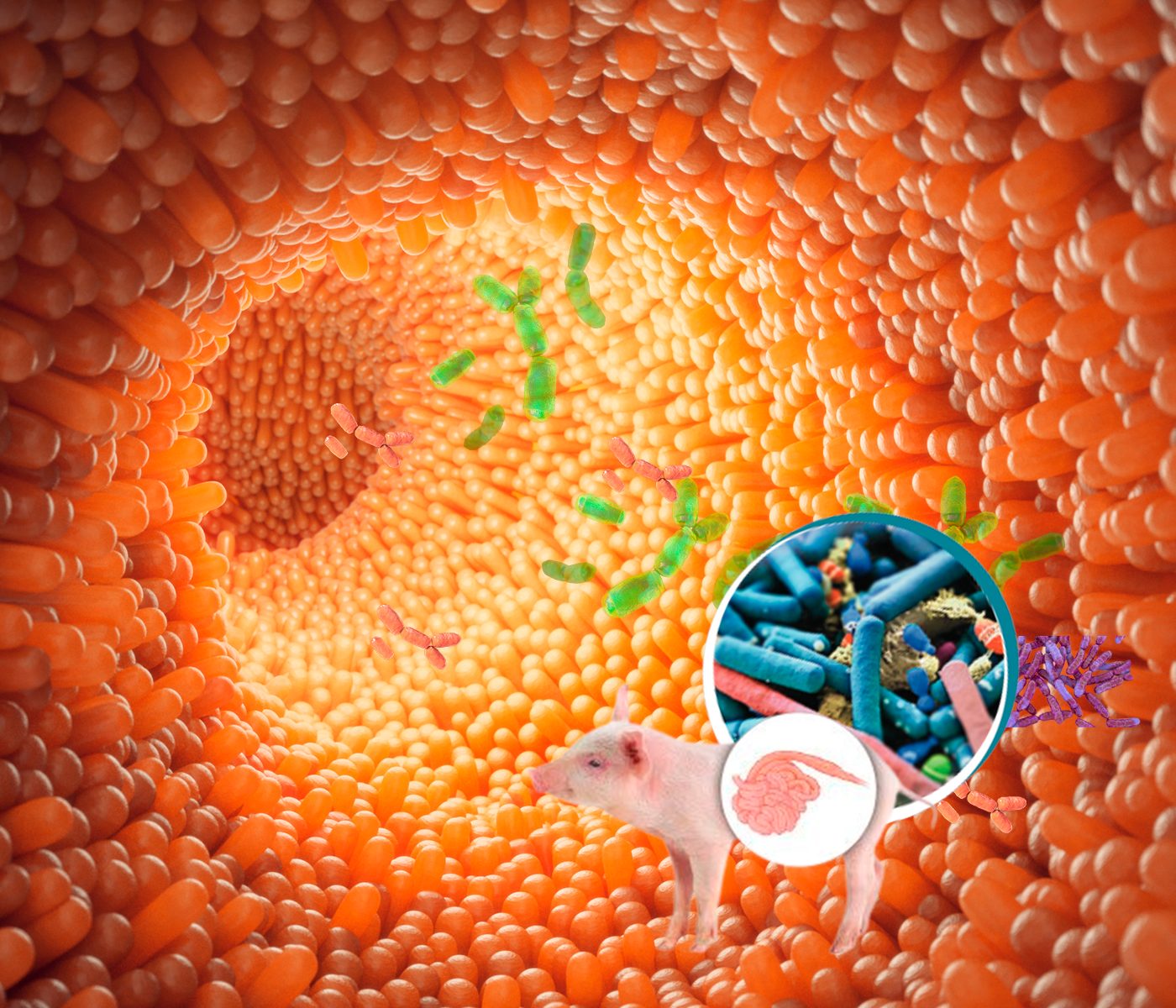
With constant changes and the rapid evolution of molecular technologies, the gastrointestinal microbiota of pigs has been studied quite in depth over the last few years. Becoming better known and playing a fundamental role in both animal health and welfare.
| The gut microbiota provides the pig with many functions, including an improved energy-collecting capacity, volatile fatty acid production, vitamin K production, cellulose fermentation, and increased resistance against pathogenic bacteria. |
Interestingly, the gut of newborns before birth is thought to be devoid of microbes. However,it quickly undergoes a remarkable shift from an essentially germ-free state to an extremely dense microbial population which eventually experiences microbial successions, and establishes a microbial community that is similar to that of adults.
Gut microbial composition and the ecological succession of gut microbiota in the first years of life are determined by various complex internal and external factors. For example:


All of these play an important role in shaping piglets’ gut microbial community.
| Weaning in the early stages of life, represents a significant time of transition and stress for the animals. |
Understanding the dynamics of pigs’ gut microbiota during the transition to weaning is of great interest, as it influences the overall health and growth performance of pigs.
TRANSITION TO WEANING AND MICROBIOTA COMPOSITION
Weaning is an abrupt separation of piglets from the sow, characterized by stressful changes that can contribute to intestinal and immune dysfunctions. Resulting in reductions in both the health status and growth performance of piglets. 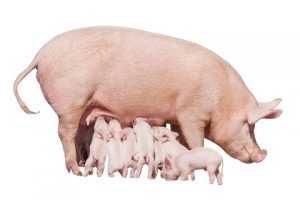



Subscribe now to the technical magazine of animal nutrition
AUTHORS
From 2025 Data to 2026 Decisions: Managing Mycotoxin Risk in a Changing Climate
Alterion® NE Celebrates 10 Years of Poultry Gut Health Innovation
The Science Behind Kolin Plus: Beyond Choline Replacement
Summer Infertility in Sows: Managing Heat Stress and Reproductive Performance
AO-Biotics® Amaferm®: Supporting Livestock Digestion and Performance

Interview with Güner Gövenç
Güner Gövenç,
Net Energy and Precision Feeding Shape the Future of Poultry Nutrition
Edgar Oviedo
Mycotoxins in Swine: Health Risks and Nutritional Solutions
Giuseppe Carcò
Mycotoxins and Piglet Ear Necrosis: Cause, Cofactor or Coincidence?
Alberto Morillo
How Mycotoxins Affect Intestinal Health in Pigs and Poultry
Marcos Rostagno
From Antibiotics to Functional Feeds in Aquaculture
Babatunde Saliu
Peas as an Alternative to Soybean Meal in Beef Cattle Finishing Diets
Daniel Villalba Mata,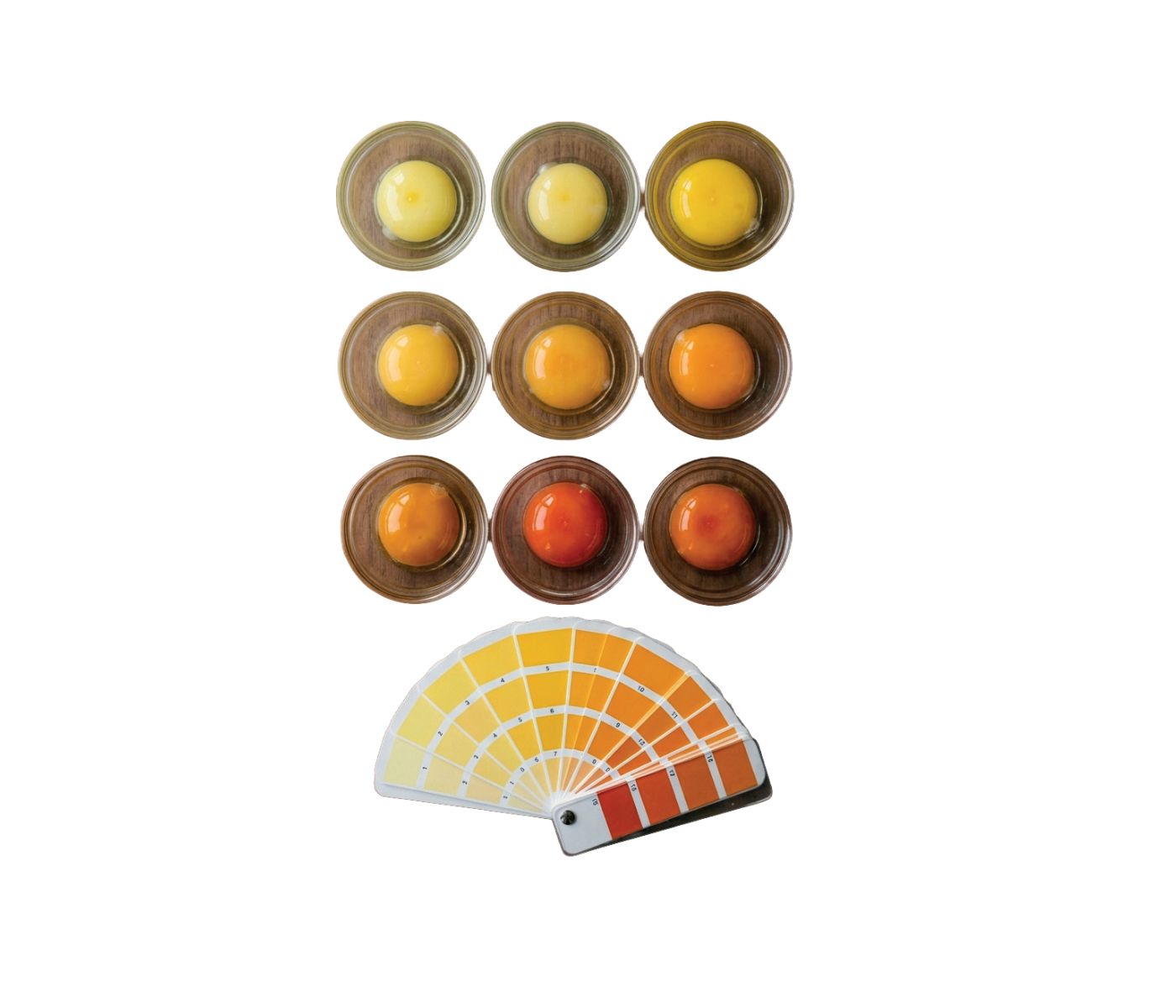
Improving Egg Yolk Pigmentation Through Better Nutrient Transport

Aquaculture and Aquaponics Nutrition: How Fish Shape the Growth of Greens
Trenton Corby
Consistency in Soybean Meal Drives Performance and Sustainability