



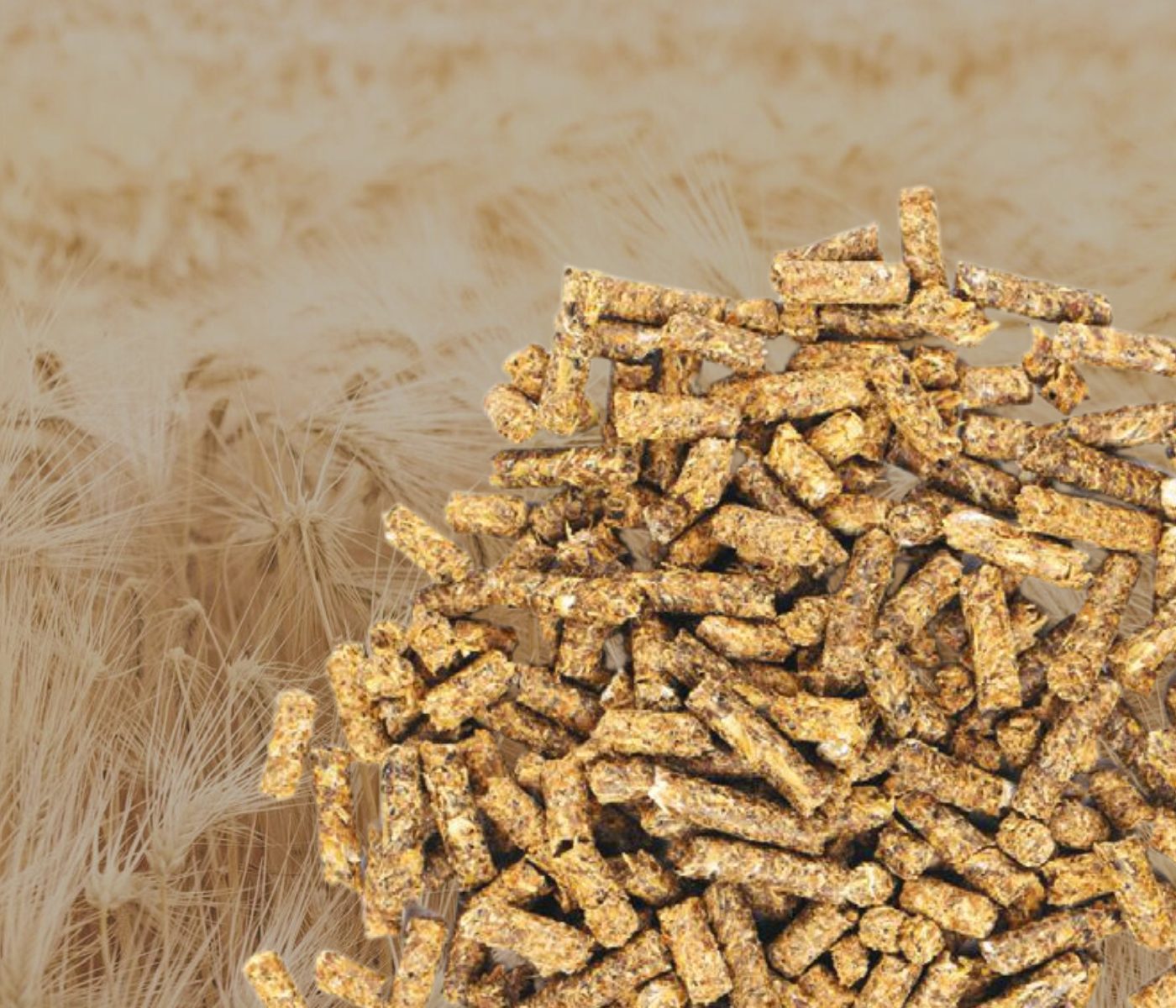
Other ingredients, such as beet pulp, are high in soluble fiber, which can increase digesta viscosity and reduce feed passage rate, potentially leading to a higher incidence of post-weaning diarrhea.
 16 Dec 2024
Effects of the type and level of soluble and insoluble fiber on productive performance and the incidence of diarrhea in piglets raised under two different hygienic conditions.
|
Dietary fiber has traditionally been associated with reduced feed intake and energy digestibility, particularly in young pigs. However, research has shown that the inclusion of moderate amounts of certain fiber sources may reduce the incidence of post-weaning diarrhea (PWD) and improve the productive performance of newly weaned piglets. 
. |
Ingredients such as oat husk, straw, or wheat bran contain significant amounts of insoluble fiber, which may influence motility and transit time of digesta throughout the gastrointestinal tract, thereby affecting piglet performance.
|
Study
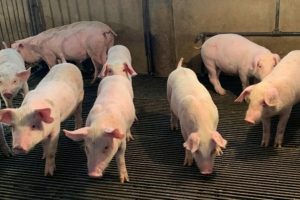
 For this reason, two studies were conducted to evaluate the productive performance and PWD in newly weaned piglets raised in either clean or dirty housing conditions and fed diets differing in the source and level of dietary fiber.


| The experimental treatments in both experiments consisted of a control diet based on corn, soybean meal, and fish meal, containing 8.0% lactose and 2.2% crude fiber, as well as 8 experimental diets resulting from the combination of 4 fiber sources (straw, oat husk, beet pulp, and wheat bran) and 2 inclusion levels (2.5% and 5.0%). |
All diets were formulated to contain 2,500 kcal of net energy and 1.3% digestible Lys. The remaining amino acids were formulated according to the ideal protein concept.
RESULTS
In Experiment 1 (clean conditions), pigs fed the control diet had higher weight gain, greater feed intake, better feed conversion ratio, and lower PWD (P < 0.05) compared to the average of pigs fed the 8 diets containing additional fiber.
 The source and level of fiber did not affect piglet growth, but PWD increased as the fiber level in the diet increased. The source and level of fiber did not affect piglet growth, but PWD increased as the fiber level in the diet increased. |
 However, PWD tended to be higher (P = 0.07) when additional fiber was included in the diet (control vs. average of fiber diets). Neither the source nor the level of fiber affected growth performance or PWD in pigs (P > 0.1)
CONCLUSION
In summary, the inclusion of additional fiber in the diet increased PWD and reduced feed efficiency in piglets raised under clean conditions.
However, when pigs were raised in dirty conditions, no negative effects of fiber supplementation on productive performance were detected, although PWD remained higher. The source of fiber did not affect productive performance in either experiment. The source of fiber did not affect productive performance in either experiment. |
Consequently, the most appropriate fiber source and level in commercial diets for weaned pigs may depend on the hygienic conditions of the farm.
You may be also be interested in: “Dietary fiber and its effects on pig performance and welfare – Part I”
Subscribe now to the technical magazine of animal nutrition
AUTHORS
From 2025 Data to 2026 Decisions: Managing Mycotoxin Risk in a Changing Climate
Alterion® NE Celebrates 10 Years of Poultry Gut Health Innovation
The Science Behind Kolin Plus: Beyond Choline Replacement

Summer Infertility in Sows: Managing Heat Stress and Reproductive Performance
AO-Biotics® Amaferm®: Supporting Livestock Digestion and Performance

Interview with Güner Gövenç
Güner Gövenç,
Net Energy and Precision Feeding Shape the Future of Poultry Nutrition
Edgar Oviedo
Mycotoxins in Swine: Health Risks and Nutritional Solutions
Giuseppe Carcò
Mycotoxins and Piglet Ear Necrosis: Cause, Cofactor or Coincidence?
Alberto Morillo
How Mycotoxins Affect Intestinal Health in Pigs and Poultry
Marcos Rostagno
From Antibiotics to Functional Feeds in Aquaculture
Babatunde Saliu
Peas as an Alternative to Soybean Meal in Beef Cattle Finishing Diets
Daniel Villalba Mata,
Improving Egg Yolk Pigmentation Through Better Nutrient Transport

Aquaculture and Aquaponics Nutrition: How Fish Shape the Growth of Greens
Trenton Corby
Consistency in Soybean Meal Drives Performance and Sustainability