BioMar records strong volume growth and exceptional earnings
The value of BioMar’s formulation expertise, sourcing flexibility and service offering to help farmers navigate this volatility has become increasingly important.



The value of BioMar’s formulation expertise, sourcing flexibility and service offering to help farmers navigate this volatility has become increasingly important.

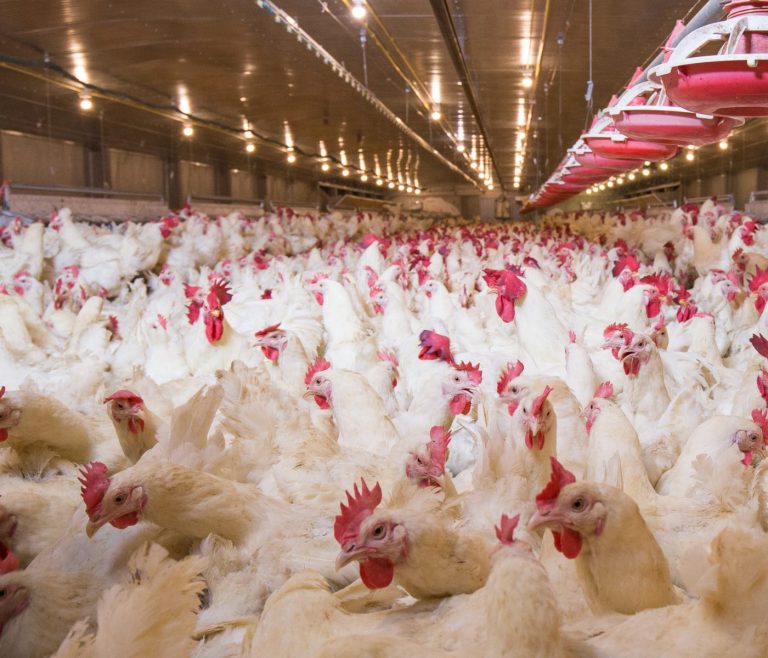
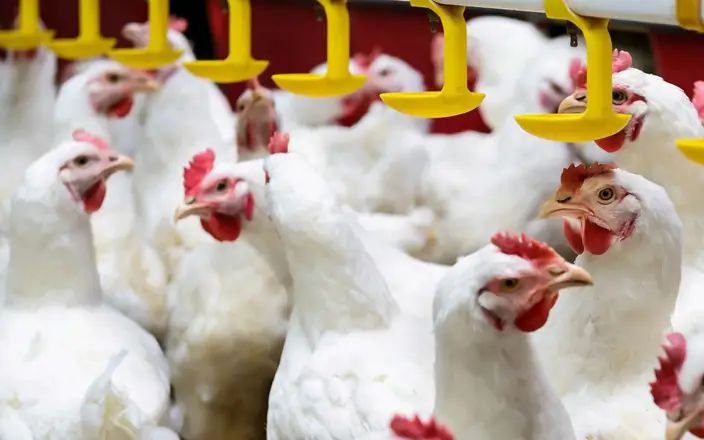
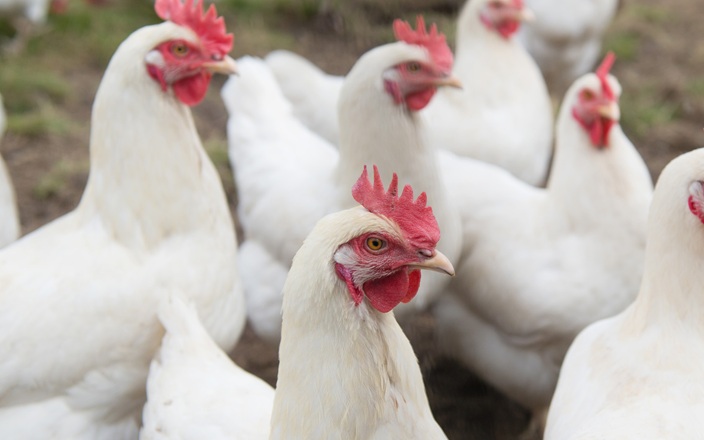
Poultry nutrition is being asked to achieve more than ever before. A modern diet must support animal health and productive performance, remain economically viable and, increasingly, help reduce the environmental…
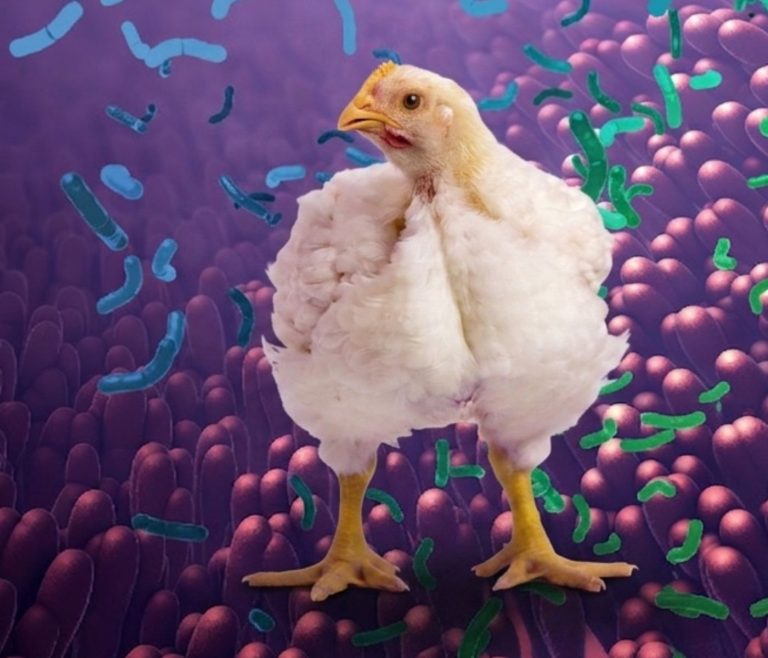
Gut health has become one of the main drivers of productivity, resilience and sustainability in modern poultry production. Rather than being limited to the absence of intestinal disease, gut health…
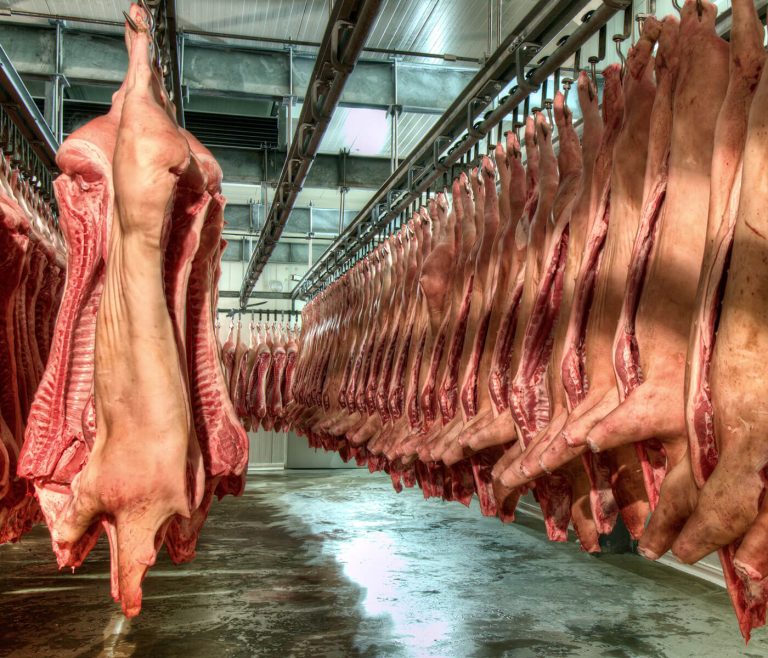
Global pig prices stay under pressure as supply and demand remain out of balance Global pork markets are beginning to rebalance, but ample supply, cautious consumer demand and intense export…
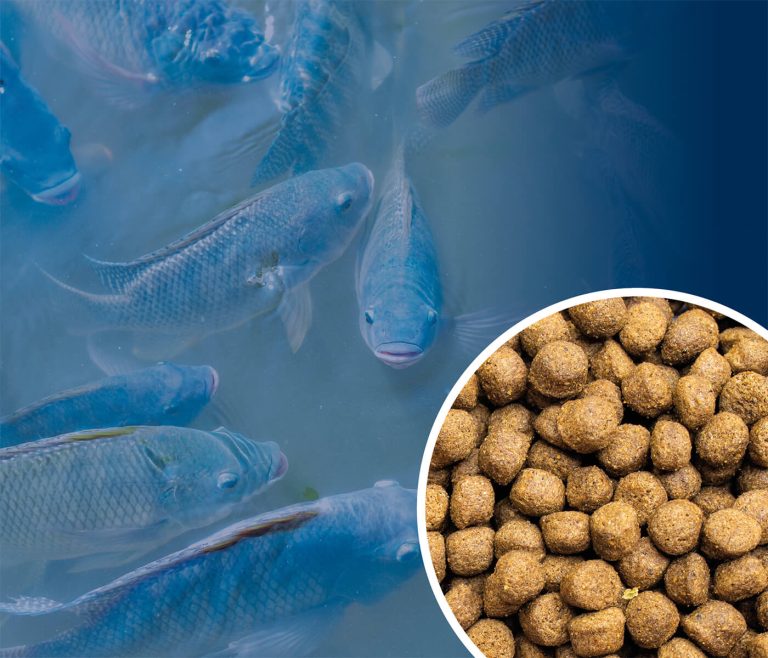
North America fish feed market grows as precision nutrition and sustainability drive innovation The North American fish feed market is gaining momentum as aquaculture producers look for feeds that can…
Europe’s pet nutrition market shifts toward functional, premium, and sustainable nutrition Pet nutrition in Europe is becoming increasingly sophisticated as owners seek diets that combine science, sustainability, and targeted health…
Poultry legislation in the Middle East is becoming more demanding, with health certificates, feed regulations, and import standards increasingly determining access to one of the world's fastest-growing poultry markets. Middle…
Subacute ruminal acidosis: understanding the central role of rumen microflora in cattle health and performance Subacute Ruminal Acidosis (SARA) is widely recognized as one of the most prevalent yet underdiagnosed…
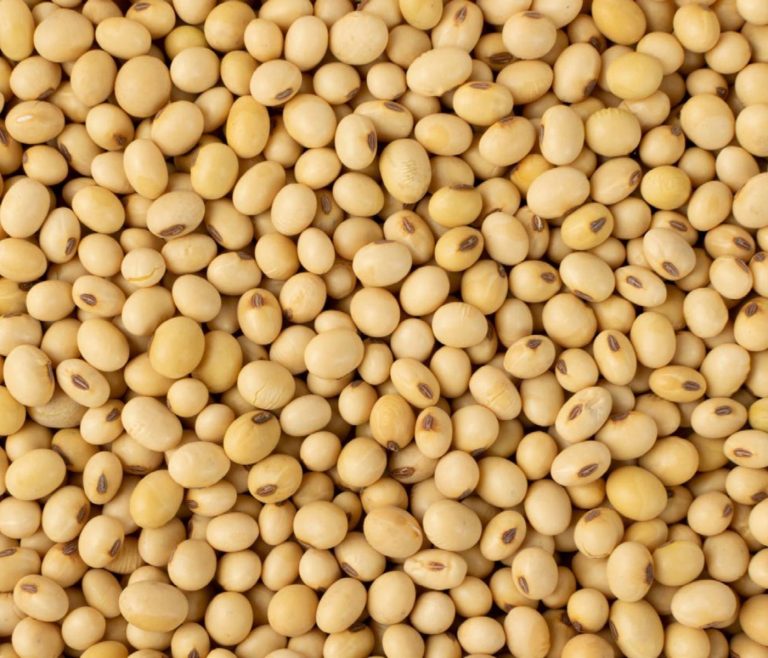
Consistency in soybean meal drives performance and sustainability Key message: In modern livestock production, soybean meal consistency supports feed precision, animal performance, and sustainability. In modern livestock production, success is…
Optimizing choline nutrition through sustainable, greener alternatives Poultry and livestock production are vital to global food security, nutrition, and rural livelihoods. As the demand for meat, milk, and eggs continues…
Bioactive feed additives drive the future of sustainable animal nutrition Animal nutrition is undergoing a profound transformation. Bioactive feed additives are moving beyond their traditional role as nutritional supplements and…
The hidden driver: How broiler breeder metabolism determines reproductive consistency and chick quality When a broiler breeder flock underperform, the usual suspects are examined feed, lighting, biosecurity, and housing. Yet…
Global swine feed formulation: strategies for efficiency, health, and sustainability Feed formulation is becoming a strategic tool in global pig production, balancing economics, performance, health, and sustainability. Feed formulation is…
Aquaculture innovation in Europe: technology, sustainability, and the future of production How Europe is using research, technology, and policy to build a more sustainable aquaculture sector. Aquaculture is becoming increasingly…
EU feed production set to hold steady in 2026 despite disease, regulation and cost pressure The EU feed market is heading into 2026 with a broadly stable outlook, even as…
Feeding for performance: maximising intake and nutrient use in modern sows Modern high-prolific sows are pushed to the limits of their biological capacity, particularly during late gestation and lactation. Meeting…
The science of fermentation: how AO-Biotics® supports animal health and performance Fermentation is one of agriculture’s oldest sciences, yet it remains one of its most powerful. Long before modern nutrition…
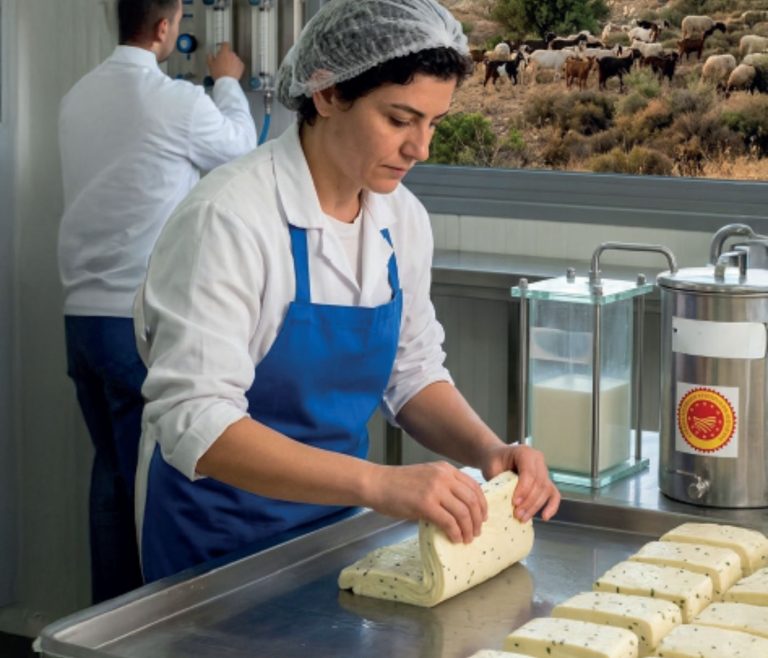
Optimizing nutrition for dairy goat and sheep productivity in Cyprus Cyprus's dairy industry is expanding, focusing on strengthening the halloumi value chain. Right now, the main obstacle for halloumi producers…
El manejo adecuado de la energía neta en la dieta porcina puede mejorar el rendimiento en crecimiento y eficiencia alimentaria. Además, mitiga los efectos del estrés por calor, especialmente durante el verano, optimizando la salud y la producción.
Synchronizing nutrition: how starch structure and protein reduction shape gut health and growth in weaned pigs Introduction: rethinking protein and carbohydrates in piglet nutrition In recent years, animal nutrition research…
Astaxanthin supplementation in aquaculture: functional benefits and applications Introduction Carotenoids are becoming an important supplement in aquaculture feed production. These molecules are naturally synthesized by algae, fungi, and other photosynthetic…
What is intestinal health? Intestinal health (aka., gut health) has received a lot of attention in the animal nutrition and health industry over the past several years, becoming the target…
Functional Umami in Swine Nutrition Taste is more than flavor, it’s a physiological trigger that influences eating behavior. Umami taste (translating from Japanese as “delicious savory taste”) is primarily associated…
Rumen microorganisms and metabolizable amino acid balance Ruminants produce their own proteins using metabolizable amino acids supplied directly from the diet through rumen undegradable protein (RUP) or synthesized by rumen…
Broiler nutrition during the first feeding phase The nutrient composition and quality of the first feed offered to broiler chickens strongly influence muscle cell proliferation, digestive tract development, microbiota establishment,…
INTRODUCTION Poultry and livestock production are critical to global food security, nutrition, and economic development, supporting billions of people worldwide. Industries are increasingly focused on enhancing production efficiency, improving product…
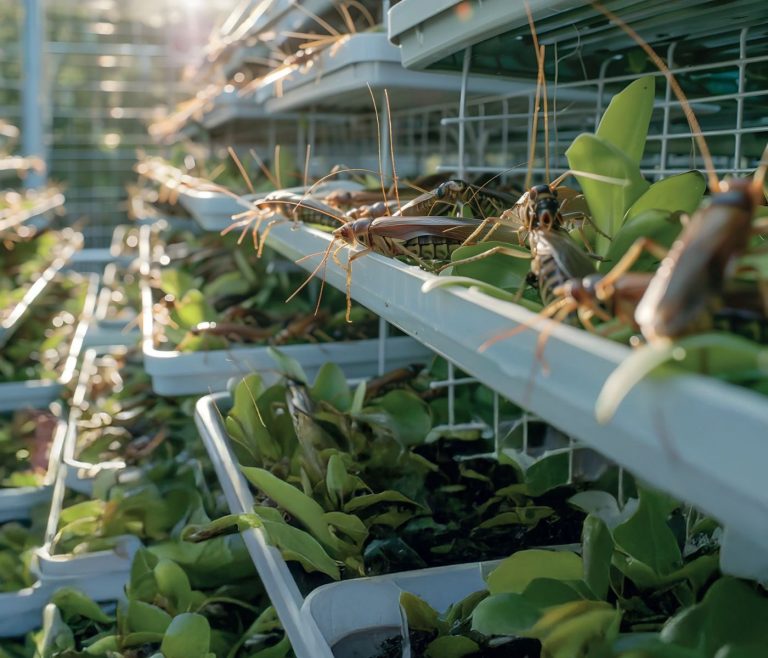
Insect biorefineries and the future of sustainable animal nutrition The insect sector is rapidly evolving beyond its original role as a simple alternative protein source. Today, modern insect production facilities…
Ileitis is one of the main diseases affecting pig farms. The clinical presentation may be acute - haemorrhagic, chronic or subclinical. The acute form affects animals from 4 to 12…
Coccidiosis, a disease caused by species of the genus Eimeria, is one of the most economically devastating diseases in the poultry industry. The result of infection caused by this parasite…
Can profitability and sustainability truly coexist in animal nutrition? The animal nutrition industry is undergoing a structural shift. What was once a conversation centered on performance alone has evolved into…
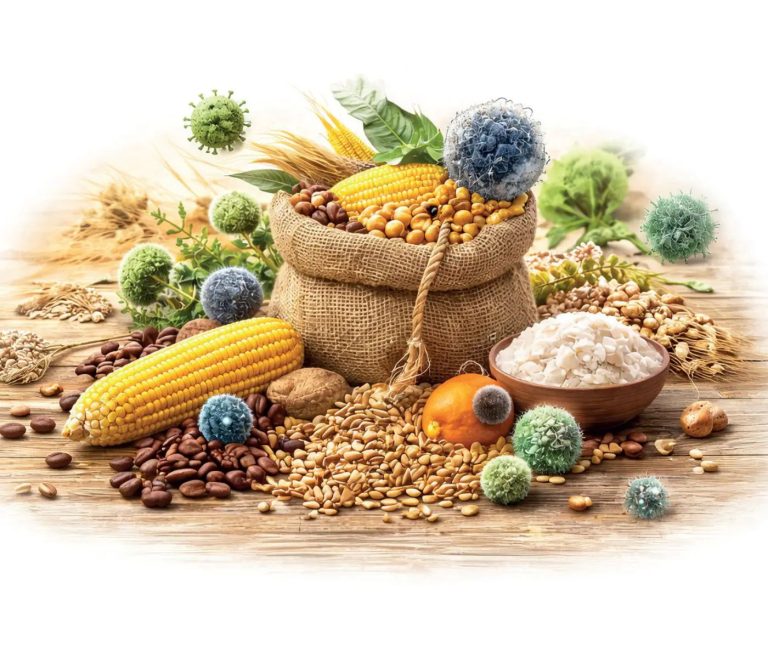
Mycotoxin binders explained: why one size never fits all Mycotoxins are a diverse group of toxic, low-molecular weight compounds produced as secondary metabolites by various filamentous fungi. These substances are…
Modern high‑prolific sows are the elite athletes of today’s pig industry. They are the result of decades of genetic selection, producing large litters of 14 to 16 piglets, and sometimes…
High temperatures negatively affect the performance and economic results of commercial poultry farms. Heat stress impacts gut health by impairing the intestinal barrier function, as well as increasing intestinal permeability…
Liver health is a critical determinant of productivity and physiological resilience in modern poultry production systems, as the liver plays a central role in nutrient metabolism, detoxification, lipid regulation, and…
Macleaya cordata is a medicinal plant from the Papaveraceae family , known for its high content of isoquinoline alkaloids, especially anguinarine, queleritrin, protopine, and allocryptopine . These compounds possess antimicrobial,…
In modern livestock production, precise nutrition is key to achieve optimal performance. Mineral nutrition, even if animals’ requirements are low, is no exception. Minerals are indeed essential for proper growth…
Active Feeding strategy for PRRS-positive weaned piglets Alberto Morillo Alujas DVM, PhD, Nutritionist, MSc Statistics, and Consultant at Tests and Trials, S.L.U. Porcine Reproductive and Respiratory Syndrome (PRRS) remains one…
Bacillus probiotics help support intestinal health in cats Lorenna Nicole Araújo Santos, Isabela Cubateli Bogo, Ricardo Souza Vasconcellos, and Magali Soares dos Santos Pozza State University of Maringá (UEM) Interest…
Multi-herb technology for optimal gut health during coccidial challenge Optimal gut health is essential for achieving growth and efficient feed utilization in poultry. Under coccidial challenge, a synergistic polyherbal solution…
Phosphorus metabolism and digestibility in pigs Phosphorus plays a central role in pig nutrition and metabolism, influencing bone development, growth performance, protein synthesis, and overall feed efficiency. However, understanding how…
The importance of low-protein diets in poultry Low-protein diets (LPDs) are transforming poultry nutrition by improving sustainability, reducing costs, and maintaining production performance. Introduction Protein is one of the most…
Can high-production dairy be sustainable without pastures? High-production dairy farms are increasingly seeking ways to combine maximum milk yield with sustainability. Global per capita consumption of fresh dairy products is…
Applying the “Active Feeding” concept to control Edema Disease in weaned piglets Edema disease (ED) remains one of the most important causes of sudden mortality in weaned piglets. The Active…
Opportunities and challenges in poultry production today The poultry industry faces constant pressure to improve profitability, enhance sustainability, and deliver high-performance production in an increasingly complex global market. Introduction The…
Precision Phytogenics: A new buzz word or real possibility in feed? New technologies, analytics, and research methodologies are rapidly expanding the potential of phytogenic feed additives, bringing greater precision, cost-effectiveness,…
Broiler nutrition in free-range systems There is a growing consumer demand for products with differentiated characteristics that preserve animal welfare. In this context, alternative production systems for broiler chickens, such…
Invisible enemies in feed: how mycotoxins reduce livestock productivity Mycotoxins remain one of the most persistent and economically important challenges affecting modern animal production systems. These toxic compounds, produced by…
Natural yeast-based ingredients driving sustainable animal nutrition and gut health As animal production systems continue evolving toward greater efficiency and sustainability, nutrition strategies are increasingly expected to deliver more than…
Understanding phytogenic feed additives and their potential Phytogenic feed additives are plant-derived products designed to support animal health, improve productivity, and enhance sustainable livestock production through the power of phytotechnology.…
Synergistic benefits of prebiotics and probiotics in livestock nutrition The livestock industry continues to seek sustainable strategies to improve animal health, growth performance, and production efficiency while reducing reliance on…
Creep feeding for “anything but ordinary” performance Creep feeding is a strategic livestock management tool that involves providing supplemental feed to calves while they are still receiving milk from their…
Practical Nutritional Tips to Control Heat Stress and Maintain Poultry Performance High temperatures negatively affect the performance and economic results of commercial poultry farms. Heat stress compromises gut health, weakens…
Navigating the Maze of Mycotoxin with Myco'Kingdom Mycotoxins are toxic compounds produced by certain types of molds naturally present in agricultural commodities around the world. These toxins represent a major…
The use of oxidized fats in pig nutrition (Part 3/3) Key concept Fat quality is a critical factor in pig nutrition. Lipid oxidation can negatively impact animal performance, immune…
Building sustainable farming with Black Soldier Fly industry The Black Soldier Fly (BSF) industry is rapidly emerging as one of the most innovative sectors within sustainable agriculture and animal nutrition.…
Vitamin E and polyphenols: complementary compounds, not substitutes As interest in natural antioxidants continues growing in animal nutrition, polyphenols have increasingly been promoted as potential alternatives to vitamin E. Rising…
Climate change and mycotoxins: a growing challenge for global animal feed Global agriculture has always been shaped by climate. From the earliest crop domestication systems to modern feed production chains,…
Use of enzymes in diets for ruminants: catalyzing efficiency and sustainability in livestock production The use of exogenous enzymes in ruminant nutrition has become an important strategy to improve feed…