 24 Oct 2026
By Priscila Beck, Director General Brazil at agriNews Group, reporting from Kuala Lumpur, Malaysia
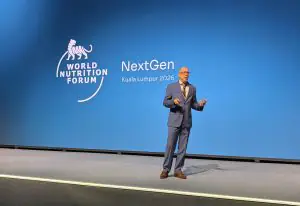
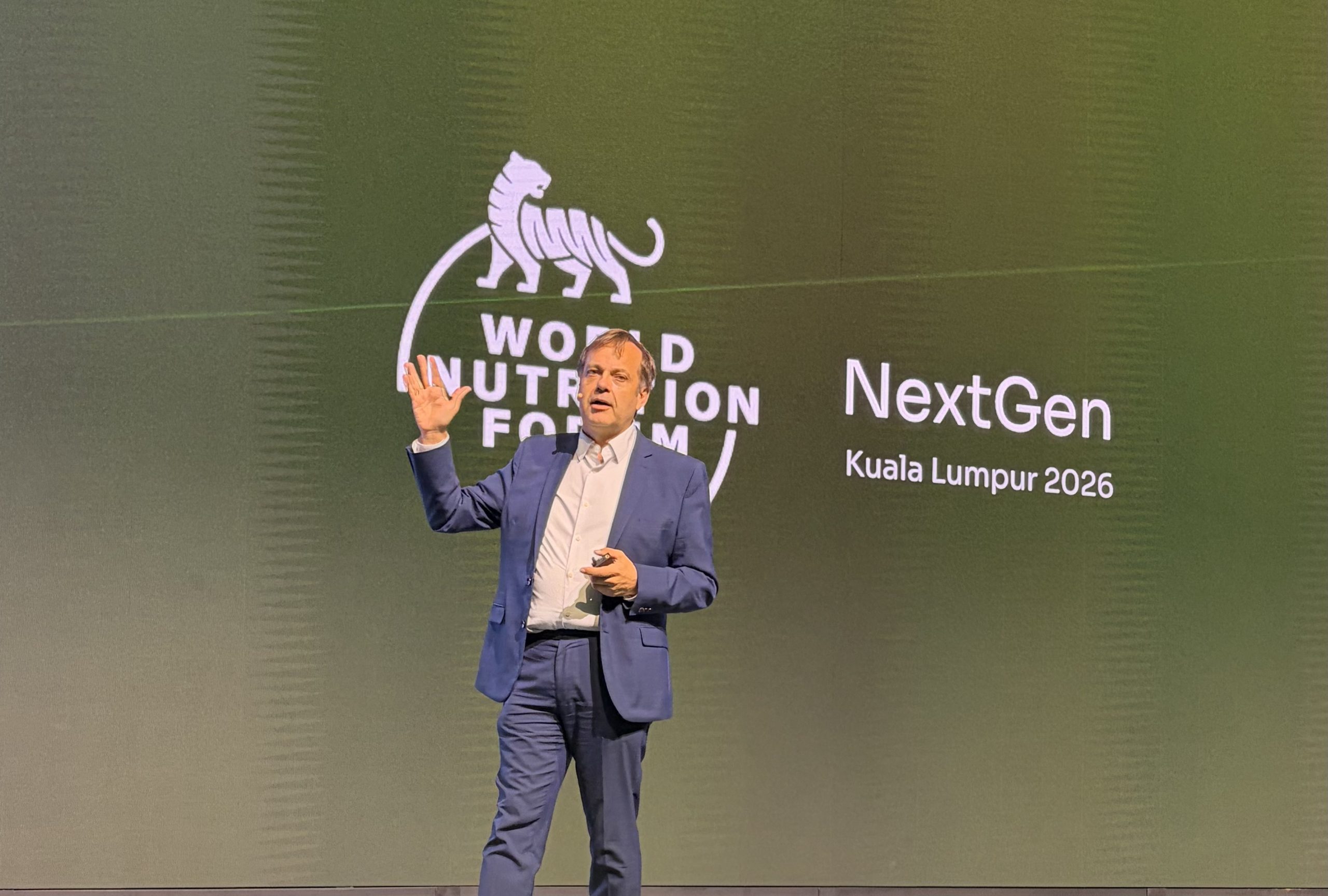
Emerging markets are expected to account for 90% of growth in global animal protein demand between 2025 and 2035, according to the outlook presented by Nan-Dirk Mulder, Senior Global Specialist Animal Protein at Rabobank, during the World Nutrition Forum 2026. That expansion, however, will require producers to strengthen their ability to manage costs, invest in technology and adapt production to the characteristics of each market.
Speaking on Thursday, 22 October 2026, in Kuala Lumpur, Malaysia, Mr Mulder identified poultry, eggs and aquaculture among the sectors best positioned to benefit from rising consumption. Higher incomes and urbanization underpin that outlook, particularly in Asia and other emerging regions.
“Emerging markets will take 90% of the growth, led by Asia, Africa, and Latin America,” he said.


His analysis went beyond expansion potential. Profitability, he explained, will depend on combining production efficiency, market access and value chains equipped to cope with greater instability.
The slides put total global animal protein market growth at 16% between 2025 and 2035. Over the same period, poultry is projected to grow by 22%, eggs by 20% and seafood by 17%, compared with 9% for pork and 6% for beef. These are cumulative changes over the 10-year period, rather than annual growth rates.
The geographical breakdown assigns 50% of growth to Far East Asia, 20% to Latin America and 20% to the Middle East and Africa. Developed markets account for the remaining 10%.


Growth is changing location and character
According to Mr Mulder, rising incomes change both the amount of animal protein people consume and the channels through which food reaches them.
In lower-income markets, he explained, price limits access to animal products. As purchasing power rises, consumption increases and shifts towards supermarkets, convenience stores and foodservice chains. This creates greater scope for differentiation, brand development and higher-value products.
In more mature markets, Mulder described a different dynamic. With consumption already high, health, convenience and ethical concerns become more important in purchasing decisions. In some of those markets, his outlook includes declining red meat consumption.
“There is no one model that fits all,” he said.
Producers and suppliers, he argued, need to tailor investment to the stage of development and requirements of their markets. Opportunities for volume growth and value creation may carry different weight in each region.
In the regional outlook shown during the presentation, Brazil is classified as a market with moderate growth for beef, pork and poultry between 2025 and 2035. India and Vietnam are classified as having very fast poultry growth, illustrating the different demand trajectories that producers and suppliers need to consider.
Food security could reshape investment decisions
A central theme of the presentation was the effect of geopolitics on the organization of production. Mr Mulder observed that more countries are seeking to secure supplies of food and strategic resources, encouraging investment closer to consumer markets.
That priority could alter the logic of producing in regions with the strongest competitive advantages and supplying other countries through international trade.
In his analysis, this shift could result in a less efficient global economy, with higher and more volatile input costs. Supply security is increasingly influencing decisions that might previously have been driven primarily by production costs.
Mr Mulder urged the sector to rethink its supply chains.
He included dependence on inputs and technologies, as well as competition for resources, in that discussion. The outlook requires businesses and producers to consider their exposure to disruptions and maintain the financial capacity to invest and adapt.
Feed conversion gains economic importance
For animal nutrition, the prospect of greater volatility reinforces the importance of technical performance indicators in margin management.
Mr Mulder highlighted feed conversion when explaining the need to extract more productivity from available resources. Efficiency will need to improve throughout the value chain as demand grows and pressure on land availability intensifies.
“The role of the producers, the farmer, input companies—it’s going to be crucial,” he said, discussing the need for innovation supported by science and universities.
He also identified investment in modern facilities, biosecurity and digital technologies as ways to support production. In his assessment, continuing disease challenges keep the protection of production systems high on the agenda.
Technical improvements, however, need to connect to economic performance. Discussing producers’ decisions, Mr Mulder linked productivity to margin management, risk and the ability to finance the changes required.
Sharing risks and returns across the chain
The presentation also identified risk sharing as a pillar of producer profitability and viability. Stronger partnerships, contracts and vertical integration were presented as ways to share risks and returns more effectively and support more stable margins and cash flow.
Access to capital, investment funding and financial flexibility formed another part of that framework. In the outlook presented, producers need sufficient financial capacity to modernize, improve sustainability and adapt as market conditions change.
Digitalizing individual stages is different from connecting the chain
Mulder identified artificial intelligence, sensors, robotics and data analysis tools as technologies capable of changing production and business management.
Those resources, he explained, allow a broader assessment of performance. Alongside financial and technical results and quality measures, decisions can incorporate information on environmental impact, health and animal welfare.
He described this as a shift from intuitive decisions towards choices supported by data.
But he identified a challenge in how digital transformation is progressing. Although individual stages of production are developing their own tools, those initiatives will need to be connected to improve communication and coordination across the chain.
In the outlook he presented, integrating information can help bring production decisions closer to market needs. Adopting individual technologies is one step in a process that is expected to move towards more coordinated systems.
Differentiation needs to reflect consumer expectations
Profitability also depends on recognizing which product attributes matter to each audience.
Mr Mulder cited health, food safety, the environment and animal welfare among the factors shaping opportunities for differentiation. Their importance, however, varies by region.
While animal welfare features strongly in European discussions, he highlighted interest in health and food safety in Asian and Latin American markets, including opportunities for functional foods.
During the question-and-answer session, Mr Mulder also assessed the role of alternative proteins. In his view, they could capture part of demand growth, but still need to improve in areas such as taste, price and perceived healthfulness to gain wider acceptance.
Market expansion therefore does not remove the need to understand consumers. Mr Mulder argued that producers and suppliers will need to align their strategies more closely with changing consumption patterns and strengthen relationships between value chain participants.
Concluding his presentation, he stressed that producer productivity and profitability will remain essential. The future he described will also require technological adaptation, coordination and dialogue with an increasingly urban society that is further removed from food production.


Subscribe now to the technical magazine of animal nutrition
AUTHORS
From 2025 Data to 2026 Decisions: Managing Mycotoxin Risk in a Changing Climate
Alterion® NE Celebrates 10 Years of Poultry Gut Health Innovation
The Science Behind Kolin Plus: Beyond Choline Replacement
Summer Infertility in Sows: Managing Heat Stress and Reproductive Performance
AO-Biotics® Amaferm®: Supporting Livestock Digestion and Performance

Interview with Güner Gövenç
Güner Gövenç,
Net Energy and Precision Feeding Shape the Future of Poultry Nutrition
Edgar Oviedo
Mycotoxins in Swine: Health Risks and Nutritional Solutions
Giuseppe Carcò
Mycotoxins and Piglet Ear Necrosis: Cause, Cofactor or Coincidence?
Alberto Morillo
How Mycotoxins Affect Intestinal Health in Pigs and Poultry
Marcos Rostagno
From Antibiotics to Functional Feeds in Aquaculture
Babatunde Saliu
Peas as an Alternative to Soybean Meal in Beef Cattle Finishing Diets
Daniel Villalba Mata,
Improving Egg Yolk Pigmentation Through Better Nutrient Transport

Aquaculture and Aquaponics Nutrition: How Fish Shape the Growth of Greens
Trenton Corby
Consistency in Soybean Meal Drives Performance and Sustainability