 22 Oct 2026
India shuts sugar out of ethanol tender, leaving poultry and feed makers facing a tighter maize market
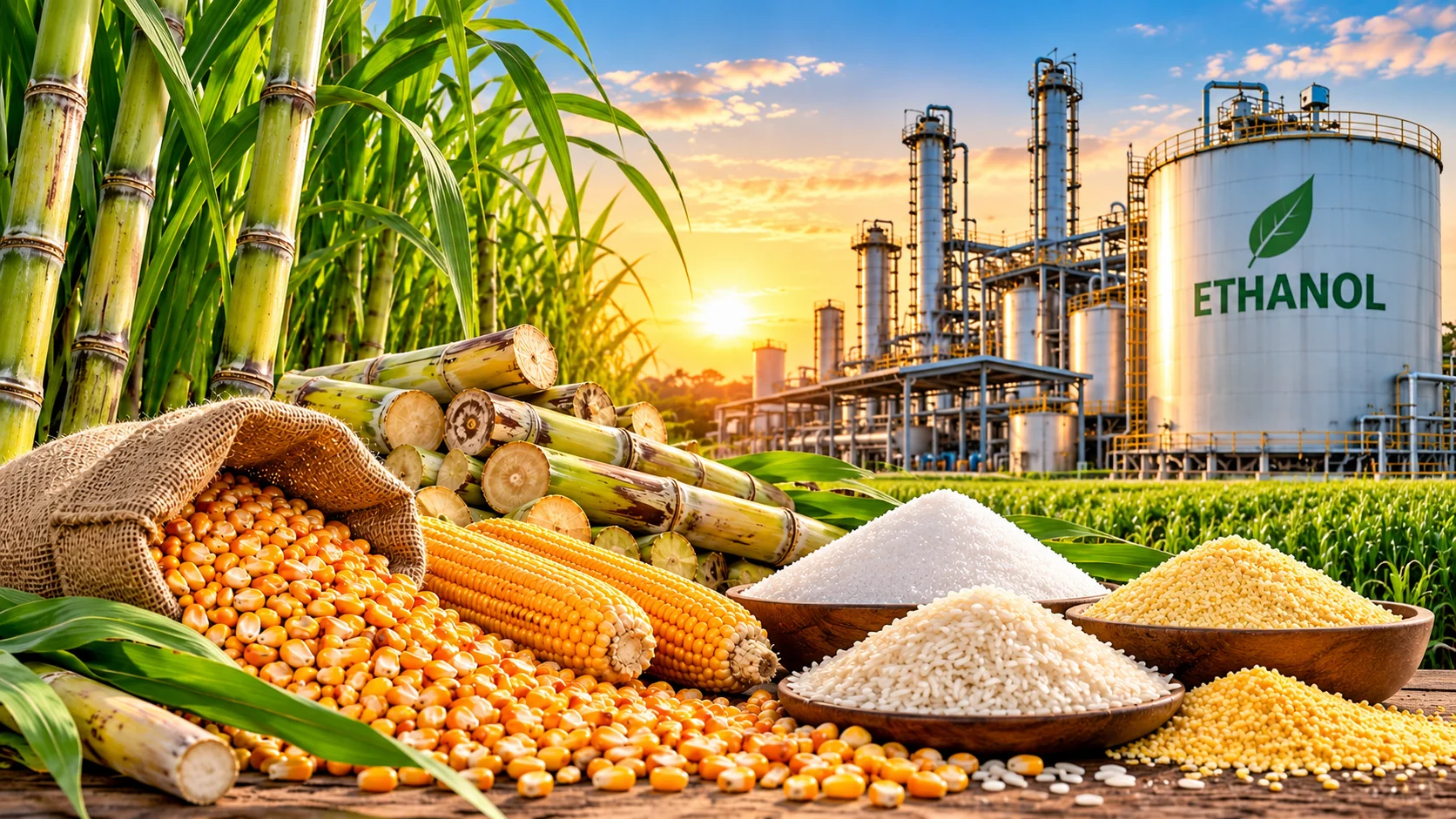
India’s state-run oil marketing companies have written the sugar industry out of their latest ethanol tender, a move that shifts the burden of fuel blending onto the same maize (corn) and rice that feed India’s poultry and livestock sector.
The tender, issued on 16 October 2026 by Indian Oil, Bharat Petroleum and Hindustan Petroleum, invites bids for 11 billion liters of ethanol for the supply year beginning in November.
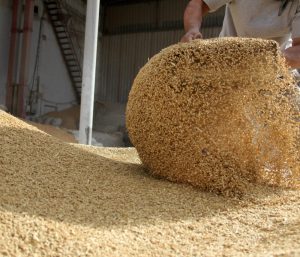
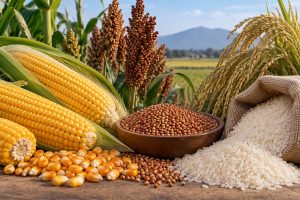
It states that the government has directed sugar diversion for ethanol to be reduced to zero for 2026-27 and that no offers are sought for ethanol made from sugarcane juice, sugar syrup or B-heavy molasses. Manufacturers may instead bid with ethanol made from maize, broken rice and surplus rice procured by the Food Corporation of India (FCI).



Why sugar is out
The decision follows weeks of reports that the government would curb cane-based ethanol. Poor rainfall in Maharashtra and Karnataka has threatened sugar output and pushed prices to record highs, and policymakers want to protect domestic supplies. Mills diverted roughly 3 million tons of sugar, about 10% of output, to ethanol in 2025-26.


The move underlines the tension between cutting oil imports and protecting the sugar market. E20 petrol, with 20% ethanol, became the nationwide mandatory standard earlier this year.
Grain was already doing most of the work
In 2025-26, grain-based feedstocks supplied 71.4% of ethanol receipts (705 crore liters) and sugar-based feedstocks 28.6% (282 crore liters), according to All India Distillers’ Association (AIDA) data for receipts up to the end of September.
Maize alone supplied 413 crore liters and surplus FCI rice 222 crore liters. With sugar excluded, grain’s share can only rise. The tender sets a total volume, not a split between maize and rice, so how much each crop will supply is not yet established.

What it means for poultry and livestock feed
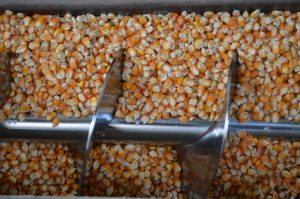
Maize is the main energy ingredient in poultry rations, about 55% of feed by weight, and the poultry industry consumes roughly 60% of India’s maize. Reports put total production at around 43.4 million tons, with nearly 17 million tons now going to ethanol. Prices have climbed from about USD 147 a ton three years ago to nearly about USD 277.
The outlook for next season is tighter. Chandra Kumar Jain, President of the Grain Ethanol Manufacturers Association, estimates that ethanol’s maize demand could rise 40-50% next year if rice supplies stay unchanged. USDA expects India’s maize production to fall 10% in 2026-27.
Feed accounts for about three-fourths of production costs for poultry growers, so the squeeze reaches eggs and chicken quickly. Ranpal Dhanda, President of the Poultry Federation of India, said growers’ costs are rising while the prices they receive are not. Smaller farms have few options: scaling back production or reducing the maize share in feed.
Two factors that could ease pressure
The tender cuts the incentive for corn-based ethanol to about USD 0.03 a liter from about USD 0.06, bringing the procurement price down to about USD 0.72 a liter from about USD 0.75. A lower price could temper how aggressively distilleries compete for maize, though the effect on bidding is yet to be seen.
The tender also admits FCI surplus rice and broken rice. That may relieve some maize demand, but broken rice is also a feed ingredient. The government has said that feed makers are already using rice bran, broken rice, bajra and wheat offal to cut maize use, so a rise in rice demand from distilleries could tighten that fallback too.
Feed makers also point to ethanol co-products. Cheaper DDGS from ethanol plants can replace soybean meal, which could ease protein costs even as energy costs stay high.
Industry asks
Poultry and compound feed bodies have sought 5 million tons of duty-free corn imports and the lifting of the ban on genetically modified corn, arguing that domestic prices have risen well above global benchmarks.
India, once a maize exporter to Bangladesh and Vietnam, has seen its export surplus shrink as domestic demand grows.
What to watch
Ethanol is not the only driver of feed costs. Harvest size, stocks, weather and trade policy all affect prices, and analysts caution that attributing price moves to ethanol requires evidence on all of these.
Industry will be watching three things: how much maize and rice distilleries win in the tender, how the new crop arrives in the market, and whether the government changes import duties.


Subscribe now to the technical magazine of animal nutrition
AUTHORS
From 2025 Data to 2026 Decisions: Managing Mycotoxin Risk in a Changing Climate
Alterion® NE Celebrates 10 Years of Poultry Gut Health Innovation
The Science Behind Kolin Plus: Beyond Choline Replacement
Summer Infertility in Sows: Managing Heat Stress and Reproductive Performance
AO-Biotics® Amaferm®: Supporting Livestock Digestion and Performance

Interview with Güner Gövenç
Güner Gövenç,
Net Energy and Precision Feeding Shape the Future of Poultry Nutrition
Edgar Oviedo
Mycotoxins in Swine: Health Risks and Nutritional Solutions
Giuseppe Carcò
Mycotoxins and Piglet Ear Necrosis: Cause, Cofactor or Coincidence?
Alberto Morillo
How Mycotoxins Affect Intestinal Health in Pigs and Poultry
Marcos Rostagno
From Antibiotics to Functional Feeds in Aquaculture
Babatunde Saliu
Peas as an Alternative to Soybean Meal in Beef Cattle Finishing Diets
Daniel Villalba Mata,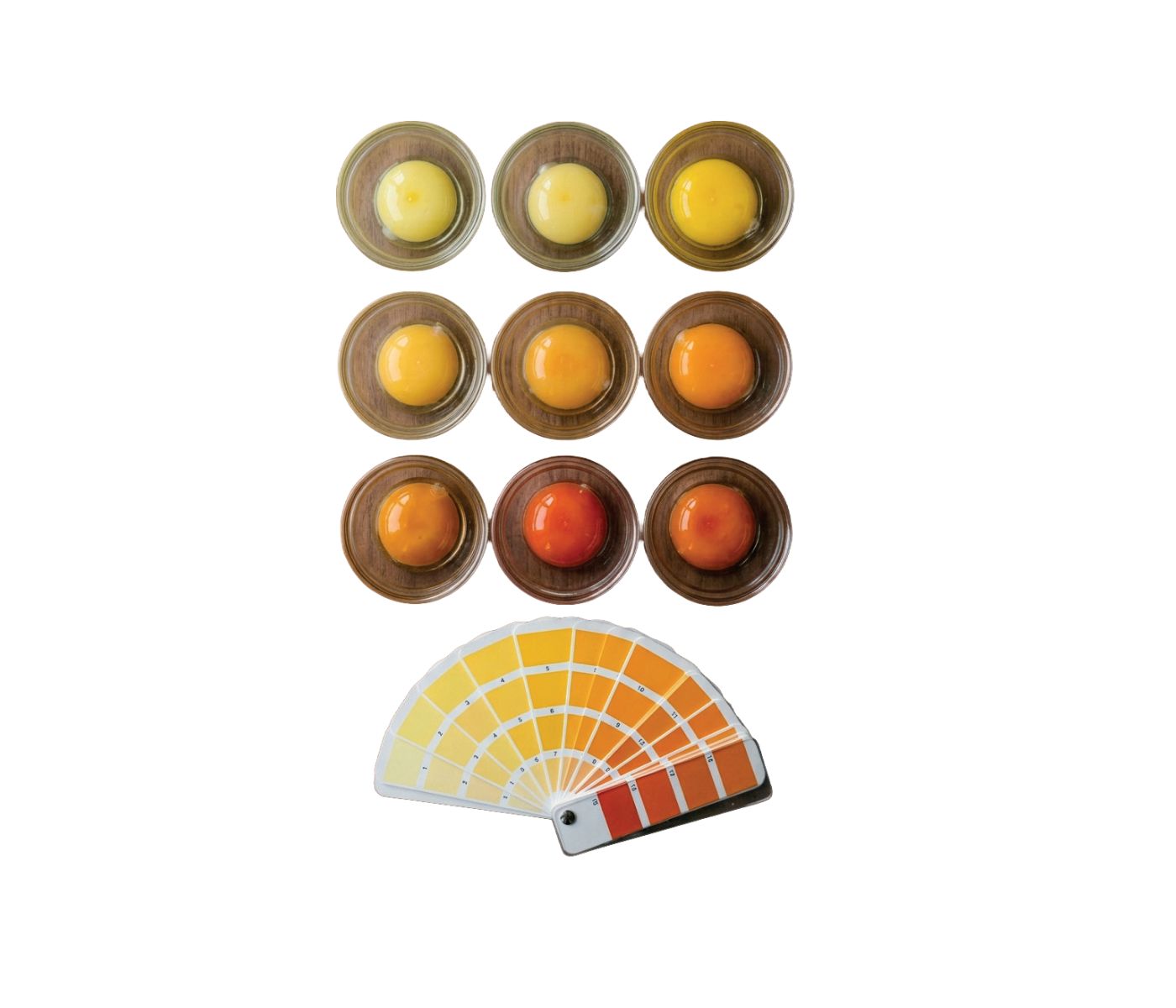
Improving Egg Yolk Pigmentation Through Better Nutrient Transport

Aquaculture and Aquaponics Nutrition: How Fish Shape the Growth of Greens
Trenton Corby
Consistency in Soybean Meal Drives Performance and Sustainability