 13 Oct 2026
Vietnam’s expanding livestock and aquaculture sectors are driving significant changes in the country’s soybean and feed ingredient markets. According to a USDA Foreign Agricultural Service report, stronger animal production and rising feed demand are supporting higher soybean imports, increased crushing activity, and greater domestic soybean meal production through 2027.
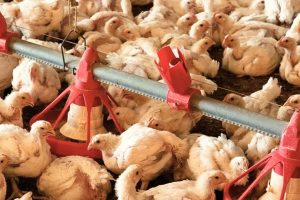
The report notes that Vietnam continues to pursue strong economic growth while attracting investment into livestock and feed production. As of August 31, 2026, swine and poultry populations had increased by 4.2% and 2.8%, respectively. If disease pressures remain manageable, industry contacts expect animal populations to grow by 2% to 3% through 2027.
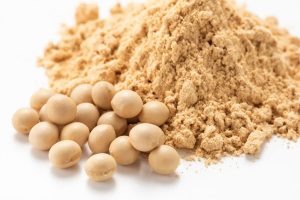
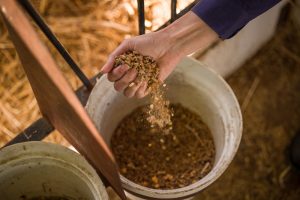
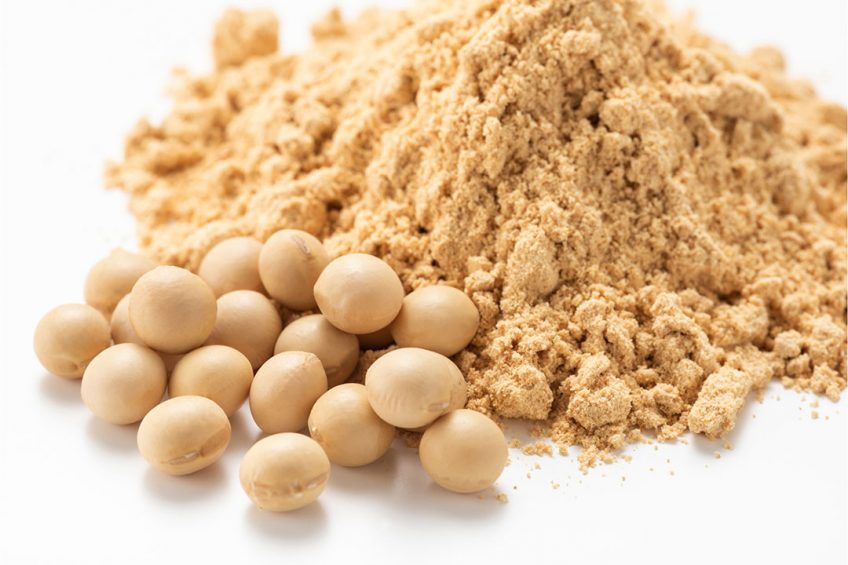
That growth is translating into stronger demand for feed ingredients. USDA revised total feed demand upward to 30.4 million tons in MY 2025/26 and 31.2 million tons in MY 2026/27, reflecting expectations for continued expansion in animal production. Soybean meal remains the dominant protein source in livestock and aquaculture diets, making developments in soybean processing especially important for the feed industry.
A major development in Vietnam’s feed ingredient sector is the expansion of soybean crushing capacity. Two new crushing lines in northern and southern Vietnam began operating during the first quarter of 2026, prompting USDA to raise its soybean crush forecast to 3.0 million metric tons in MY 2025/26. Crushing volume is projected to increase further to 3.2 million metric tons in MY 2026/27.

Demand from feed manufacturers remains the key driver behind this growth. The report states that soybean crushing is supported by robust demand for soybean meal used in animal and aquaculture feed, alongside demand for soybean oil for domestic use and export markets.
As crushing volumes rise, local soybean meal production is expected to increase substantially. USDA revised soybean meal output upward to 2.34 million tons in MY 2025/26 and 2.5 million tons in MY 2026/27. The increase strengthens domestic availability of one of the country’s most important feed ingredients.
To support additional processing, Vietnam is also expected to import more soybeans. Soybean imports are forecast at 3.8 million metric tons in MY 2025/26 and 4 million metric tons in MY 2026/27. Brazil remains the largest supplier, followed by the United States.

Despite higher local soybean meal production, feed manufacturers continue to face pricing challenges. Soybean meal accounts for 15% to 35% of ingredients in animal and aquaculture feed formulations, making its availability and cost critical to feed production economics.
According to the report, domestic soybean meal prices began rising in early 2026. Industry sources attributed part of the increase to a domestic soybean meal shortage during the second and third quarters of the year. As prices climbed, feed producers explored opportunities to reduce formulation costs by incorporating alternative ingredients.
Even with these pressures, soybean meal remains central to feed formulations. USDA maintained its soybean meal feed consumption estimate at 7.2 million tons in MY 2025/26 and expects consumption to increase to 7.4 million tons in MY 2026/27.
Feed costs are also affecting livestock producers. The report notes that major feed manufacturers raised compound feed prices six times during 2026, creating additional pressure on producers, particularly smaller operations. Small swine and poultry farmers are increasingly turning to contract farming arrangements with larger companies to manage costs related to biosecurity, disease prevention, logistics, and production inputs.
Rising soybean meal prices have opened opportunities for alternative protein sources. Rapeseed meal imports reached 372,000 tons by July 31, 2026, an increase of 72% from the same period a year earlier. USDA revised rapeseed meal import forecasts upward to 430,000 tons in both MY 2025/26 and MY 2026/27.
Industry sources cited lower rapeseed meal prices as a major advantage. Feed millers have expanded its inclusion in feed formulations as an alternative to higher-priced ingredients, including soybean meal.
Copra meal also remains part of the feed ingredient mix. USDA maintained copra meal production forecasts at 11,000 tons for both marketing years and estimated annual copra meal imports at 55,000 tons.
As domestic crushing capacity expands, soybean meal trade patterns are shifting. USDA lowered soybean meal import estimates to 5.2 million tons in MY 2025/26 and 5.4 million tons in MY 2026/27 because of increased local production. During the first seven months of 2026, Vietnam imported 2.7 million tons of soybean meal, down 29% from the previous year.
At the same time, exports are growing. Vietnam exported 271,000 tons of soybean meal by August 25, 2026, more than double the previous year’s volume. Cambodia remained the leading destination, supported by strong demand and Vietnam’s competitive supplies. USDA consequently raised its soybean meal export forecast to 300,000 tons in both MY 2025/26 and MY 2026/27.
Together, these developments highlight a feed sector increasingly supported by local processing capacity. Soybean meal remains the primary protein ingredient. However, higher domestic output and alternative meals are changing the market.

Subscribe now to the technical magazine of animal nutrition
AUTHORS
From 2025 Data to 2026 Decisions: Managing Mycotoxin Risk in a Changing Climate
Alterion® NE Celebrates 10 Years of Poultry Gut Health Innovation
The Science Behind Kolin Plus: Beyond Choline Replacement
Summer Infertility in Sows: Managing Heat Stress and Reproductive Performance
AO-Biotics® Amaferm®: Supporting Livestock Digestion and Performance

Interview with Güner Gövenç
Güner Gövenç,
Net Energy and Precision Feeding Shape the Future of Poultry Nutrition
Edgar Oviedo
Mycotoxins in Swine: Health Risks and Nutritional Solutions
Giuseppe Carcò
Mycotoxins and Piglet Ear Necrosis: Cause, Cofactor or Coincidence?
Alberto Morillo
How Mycotoxins Affect Intestinal Health in Pigs and Poultry
Marcos Rostagno
From Antibiotics to Functional Feeds in Aquaculture
Babatunde Saliu
Peas as an Alternative to Soybean Meal in Beef Cattle Finishing Diets
Daniel Villalba Mata,
Improving Egg Yolk Pigmentation Through Better Nutrient Transport

Aquaculture and Aquaponics Nutrition: How Fish Shape the Growth of Greens
Trenton Corby
Consistency in Soybean Meal Drives Performance and Sustainability