 16 Oct 2026
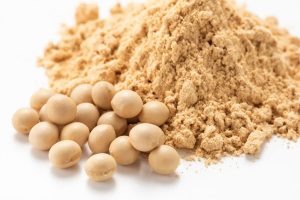
About 42% of the soybeans India has imported this year carry a Niger label, from a country that grows fewer than 100 tons of the crop annually. Customs suspects that some of those beans came from neighboring Nigeria, Reuters reported on 5 October, and importers are being asked to prove that the cargoes qualify for duty-free entry.
Trade Ministry data put India’s soybean imports at a record 909,606 tons for January to July 2026, against 1,996 tons a year earlier. Niger-declared shipments made up 380,868 tons of that, from zero in the same months of 2025, which made Niger India’s largest declared supplier. Those two figures give the 42% share.

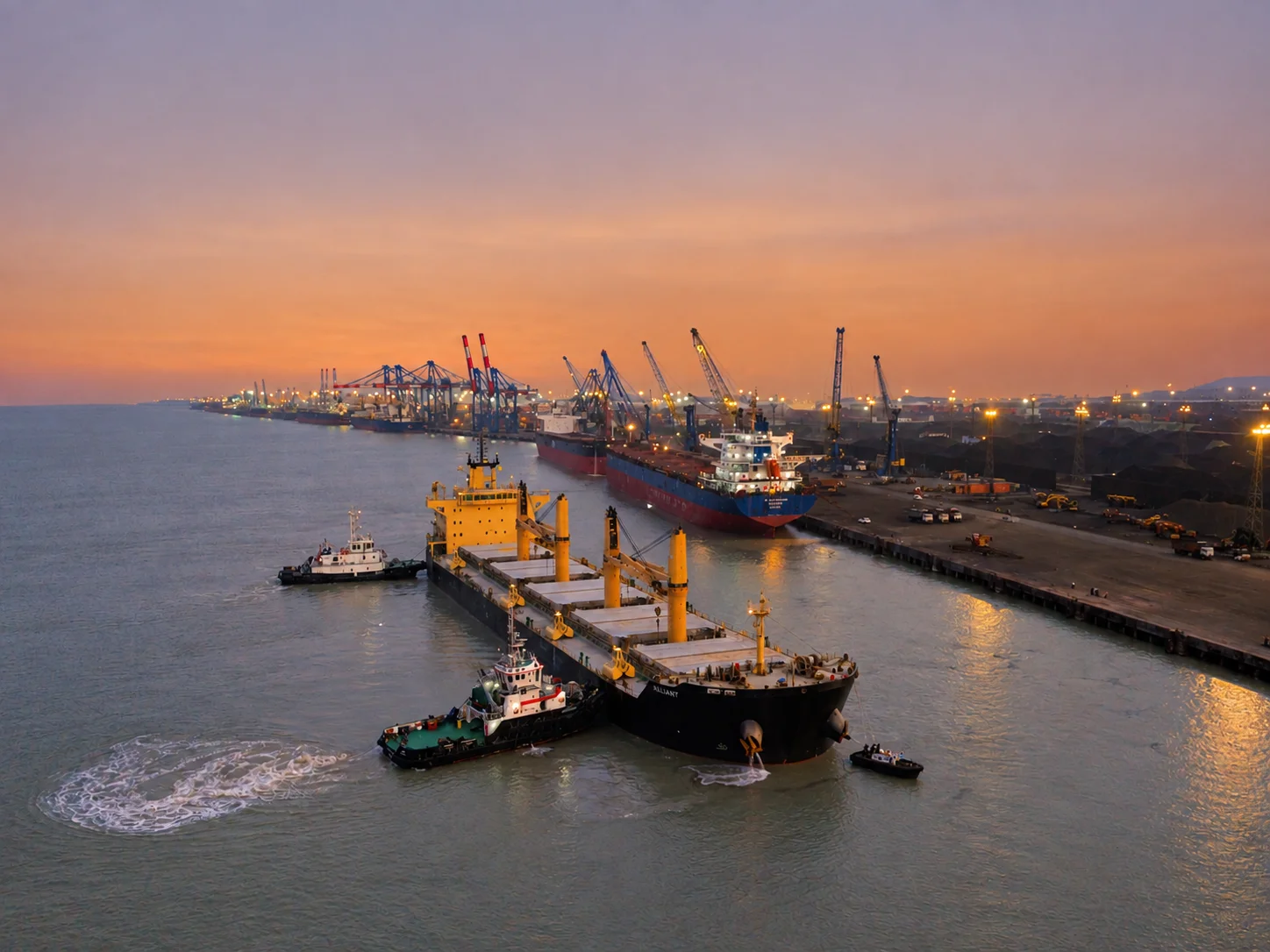
Niger (declared origin), Nigeria (suspected origin) and Kandla in Gujarat (destination port). Illustrative map; the sea route is indicative.


Why India needed African beans
India permits only non-GM soybeans to be imported, which narrows the field to a few African countries, among them Benin, Niger, Togo and Nigeria. Non-GM beans from these origins have sold at a premium to global benchmark prices.
The buying followed a short domestic crop. Dry weather after last year’s floods cut output, and estimates of the 2025-26 decline run from 14% to 17% depending on the source. Domestic soybean prices reached a four-year high by May, and Indian traders cancelled soymeal export contracts for the first time since 2021.



The Soybean Processors Association of India (SOPA) raised its import forecast for the season ending September to 900,000 tons from 600,000 tons, after May imports alone reached 200,000 tons. Poultry is the largest consumer of soymeal in India, and the industry had counted on the extra arrivals to ease feed costs.

Where the inquiry stands
Customs had let the cargoes through on origin and phytosanitary certificates issued by Niger. Notices began reaching importers in late September, asking for proof of the overland journey, including transit permits, and noting that the tonnage looks out of line with what Niger can grow and export. Niger is landlocked, so beans declared there can legitimately move through Nigeria or other neighbors on the way to port, which explains the interest in transit paperwork.
Importers said they lack some of the records and have asked their overseas suppliers to provide them. One importer who received a notice told Reuters the company bought the beans on its suppliers’ word that they came from Niger, and that travelling to Africa to check the origin was not practical.
A finding of wrong origin would remove the least-developed-country exemption that Niger enjoys, and the full 45% tariff would apply, sources told Reuters. A Dubai-based exporter said importers have stopped buying Niger-declared beans, and that cargoes at ports or afloat are likely to get stuck because neither side wants to pay the duty.
Nothing in the reporting shows that Nigerian exporters or the Nigerian government took part in any misdeclaration, a point The Whistler made in its coverage.
Nigeria’s supply and what the numbers allow
Nigeria is Africa’s largest soybean producer. The US Department of Agriculture puts its 2025/26 crop at 1.5 million tons from 1.4 million hectares. An attaché report from the USDA’s Lagos office, published in 2024, forecast Nigerian soybean exports at 212,000 tons for 2024/25. The Niger-declared volume that reached India in seven months of 2026 is nearly 1.8 times that forecast.
The comparison gives only a sense of scale. The forecast predates this year’s Indian demand, and Nigerian export data for 2026 would be needed to judge how much Nigerian supply could have been involved.

A route customs has seen before
Questions about African routing are not new. In 2018, Business Standard quoted industry officials saying traders had been sending soybean and soy seed consignments through least developed African countries, Ethiopia and Benin in particular, to benefit from the nil tariff, at a time when the regular duty was around 45%.
One official put the volume at about 80,000 tons a year. The quantity declared from Niger alone in the first seven months of this year is nearly five times that annual estimate.
What it means for feed buyers
Reuters noted that the episode could give Togo and Benin a chance to expand soybean exports to India through official channels.
nutriNews Asia reported earlier this year that processors expected soybean availability to stay constrained until the new domestic crop arrives in September and October. Whether the inquiry changes that picture depends on how many cargoes are held and how quickly importers can produce their documents, and neither has been reported. No demand for duty has been reported so far, and the outcome of the document checks is not yet known.


Subscribe now to the technical magazine of animal nutrition
AUTHORS
From 2025 Data to 2026 Decisions: Managing Mycotoxin Risk in a Changing Climate

Alterion® NE Celebrates 10 Years of Poultry Gut Health Innovation

The Science Behind Kolin Plus: Beyond Choline Replacement

Summer Infertility in Sows: Managing Heat Stress and Reproductive Performance
AO-Biotics® Amaferm®: Supporting Livestock Digestion and Performance

Interview with Güner Gövenç
Güner Gövenç,
Net Energy and Precision Feeding Shape the Future of Poultry Nutrition
Edgar Oviedo
Mycotoxins in Swine: Health Risks and Nutritional Solutions
Giuseppe Carcò
Mycotoxins and Piglet Ear Necrosis: Cause, Cofactor or Coincidence?
Alberto Morillo
How Mycotoxins Affect Intestinal Health in Pigs and Poultry
Marcos Rostagno
From Antibiotics to Functional Feeds in Aquaculture
Babatunde Saliu
Peas as an Alternative to Soybean Meal in Beef Cattle Finishing Diets
Daniel Villalba Mata,
Improving Egg Yolk Pigmentation Through Better Nutrient Transport

Aquaculture and Aquaponics Nutrition: How Fish Shape the Growth of Greens
Trenton Corby
Consistency in Soybean Meal Drives Performance and Sustainability