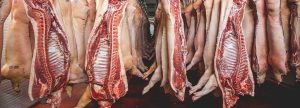




Hence, the best option for mitigating climate change impacts, is to directly include co-products in animal feed.
 16 May 2023
Environmental benefits of using fermentation in agrifood co-products.
The millenary technique of fermentation emerges today as a potential solution for certain food and environmental challenges. Solid fermentation in particular has the potential to optimise the use of agri-food co-products. Under such scenario, INRAE researchers employed a life cycle analysis to assess the environmental impact of this type of technology. Their groundbreaking results were published in Nature Food on October 31st, 2022.

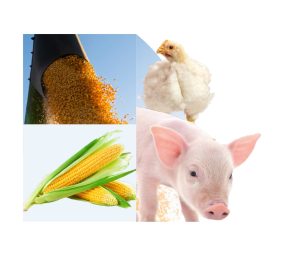
Agri-food co-products are hardly recused for human consumption in France. Hence, their main main use (up to 60%) is for livestock feed.

However, the true potential behind this tool is far from being fully exploited and requires new methods. One of the most appealing approaches towards the use of agricultural by-products involves the use of fermentation processes, and more specifically those undertaken on solid substrates.
 Similar to classic liquid fermentation, which is used to make yogurt for example; solid fermentation is based on the colonization of a specific medium by a biological agent.


How can this be beneficial to the environment?
To answer this question, INRAE researchers applied a cradle-to-grave life cycle analysis (LCA) to six co-products derived from various processing industries. These products were representative of the major productive activities carried out in mainland France. Solid fermentation was compared with other recovery methods, such as direct use in cattle feed or energy conversion through the use of such by products.. The research team quantified the impacts of such activities on: climate change, land use and water resources, as well as eutrophication of the ocean and freshwater.

Their efforts yielded mixed results according to the different by-products being assessed and their uses. When it was possible, the use of recycled by-products for human consumption through solid fermentation greatly reduced greenhouse gas emissions. While also helping to preserve farmland and freshwater resources. With regard to using these by products for animal feed – after solid fermentation – the environmental benefits associated with this practice were minimal. This was because the energy input which was required outweighed the benefits of any potential nutritional improvement.
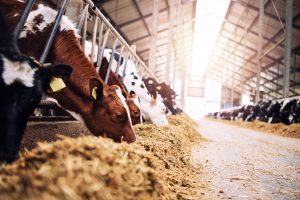
Hence, the best option for mitigating climate change impacts, is to directly include co-products in animal feed.
However, co-products with low nutritional value are best used for energy production. For example for the production of biogas through anaerobic digestion. Although this practice applies to climate mitigation, it does not apply for the other impacts being assessed.
These early results illustrate some of the advantages and disadvantages of new biomass recovery techniques, Especially those aimed at developing new foods and ingredients. In a context where new competitive applications of bioresources are emerging, the application of standardised LCAs adapted to these new production sectors can be very useful. Adding them to the toolbox of decision makers.
What materials can be used for solid fermentation?
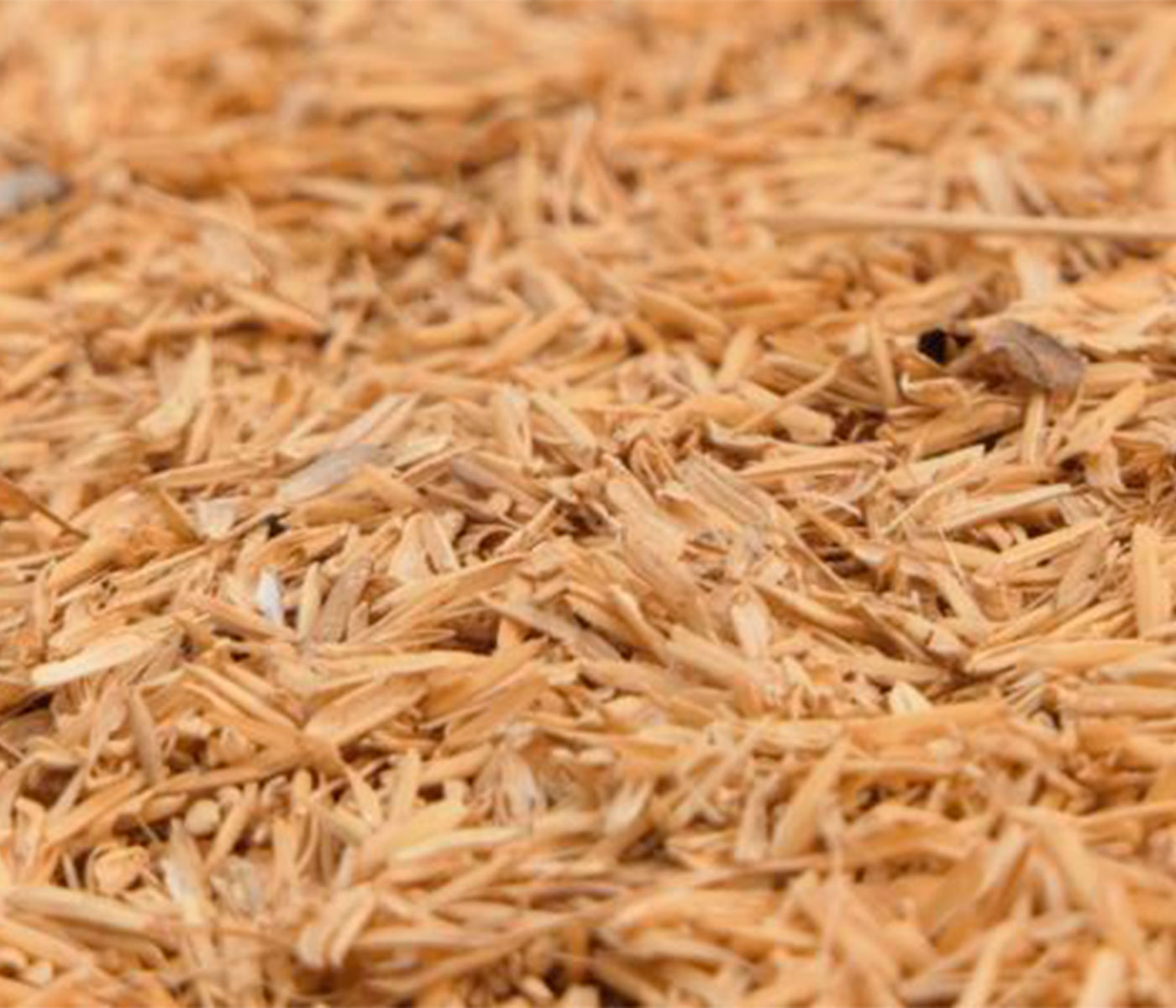
 It is possible to transform solid co-products such as wheat bran using beneficial fungi. This process improves the nutritional qualities of these co-products and, in some cases makes them suitable for consumption. This process can: reduce indigestible fiber content, increase protein levels, remove undesirable compounds such as lignin, and enhance the organoleptic qualities of such products.
You may also like to read: “Former food products (FFPs): Use of bakery products in post weaning piglets.”
Source: Javourez, U., Rosero Delgado, E.A. & Hamelin, L. The valorisation of agri-food co-products through solid fermentation only produces environmental benefits under certain conditions. Nat Food (2022). https://doi.org/10.1038/s43016-022-00621-9
Subscribe now to the technical magazine of animal nutrition
AUTHORS
From 2025 Data to 2026 Decisions: Managing Mycotoxin Risk in a Changing Climate
Alterion® NE Celebrates 10 Years of Poultry Gut Health Innovation
The Science Behind Kolin Plus: Beyond Choline Replacement
Summer Infertility in Sows: Managing Heat Stress and Reproductive Performance
AO-Biotics® Amaferm®: Supporting Livestock Digestion and Performance

Interview with Güner Gövenç
Güner Gövenç,
Net Energy and Precision Feeding Shape the Future of Poultry Nutrition
Edgar Oviedo
Mycotoxins in Swine: Health Risks and Nutritional Solutions
Giuseppe Carcò
Mycotoxins and Piglet Ear Necrosis: Cause, Cofactor or Coincidence?
Alberto Morillo
How Mycotoxins Affect Intestinal Health in Pigs and Poultry
Marcos Rostagno
From Antibiotics to Functional Feeds in Aquaculture
Babatunde Saliu
Peas as an Alternative to Soybean Meal in Beef Cattle Finishing Diets
Daniel Villalba Mata,
Improving Egg Yolk Pigmentation Through Better Nutrient Transport
Aquaculture and Aquaponics Nutrition: How Fish Shape the Growth of Greens
Trenton Corby
Consistency in Soybean Meal Drives Performance and Sustainability