 14 Sep 2026
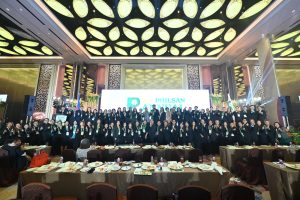
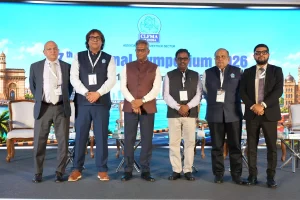
Extending laying cycles while protecting bird welfare is increasingly vital for poultry producers. That was the central message of independent poultry consultant Raul Elias Lopez at the Southern Tagalog Livestock, Poultry and Aqua Congress held on July 16-17 in Lipa City, Batangas, Philippines. He explained how genetics, nutrition, and management combine to achieve persistency of lay well beyond traditional limits, while also aligning with environmental and economic sustainability goals.
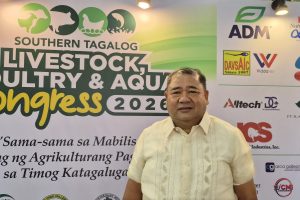
Dr Raul Elias Lopez
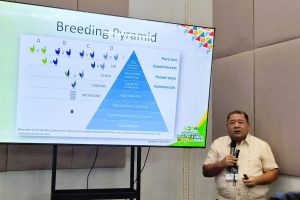
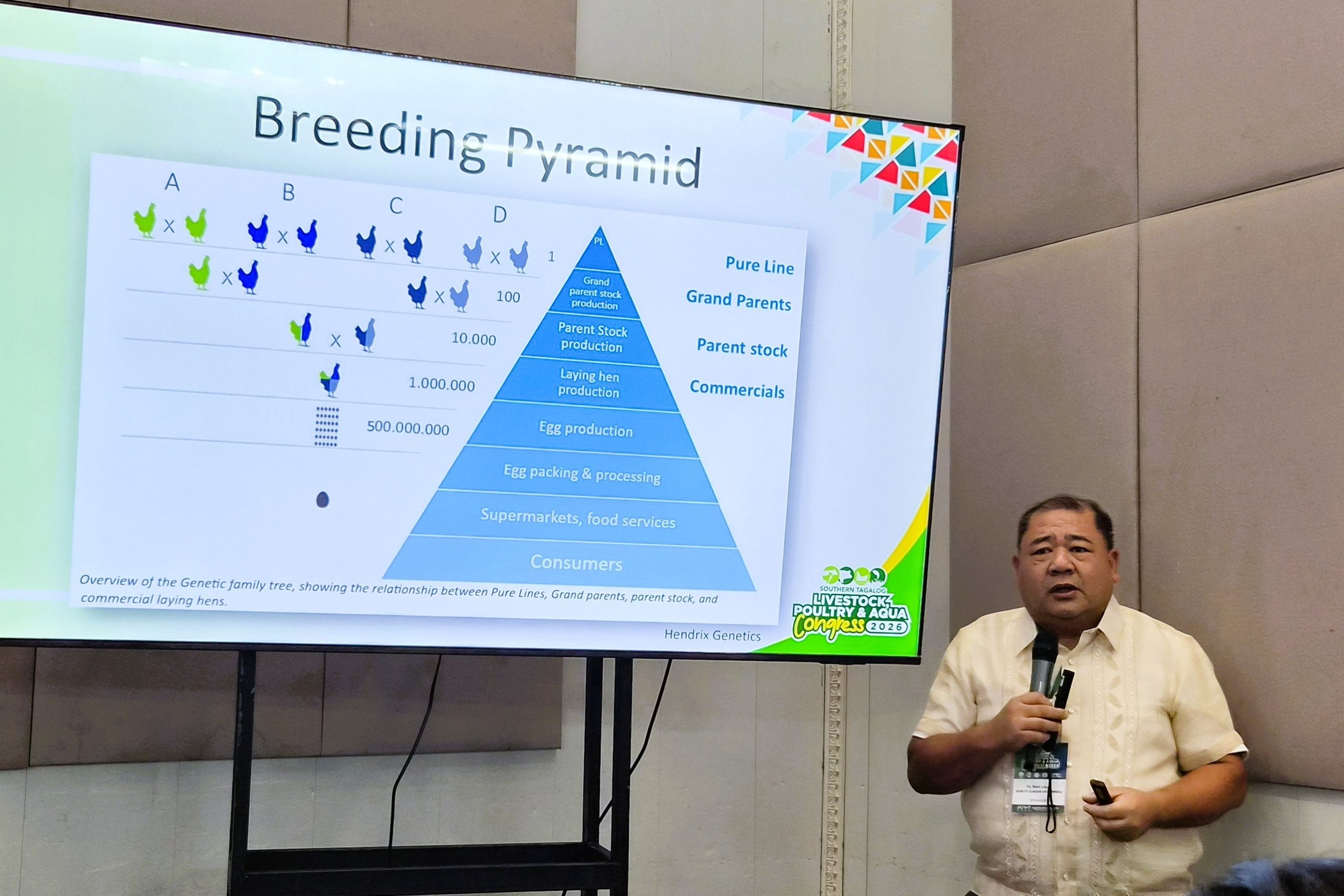
Modern poultry breeding begins with pure genetic lines chosen for specific traits. Male lines are selected for egg size and quality, while female lines are chosen for laying persistency. These pure lines form the foundation of a breeding pyramid that eventually produces millions of commercial hens.

“Persistency of lay is the central goal,” Dr Lopez emphasized, pointing to targets of 500 eggs by 100 weeks and 600 eggs by 120 weeks. Genetic progress is continuous, meaning every flock placed on the farm potentially carries improved traits compared to the last. Farmers must adapt management practices to unlock this potential, since genetics alone cannot guarantee success.
Nutrition is the cornerstone of extended productivity. Amino acids such as lysine and methionine, along with linoleic acid and calcium phosphorus balance, are essential. Feed formulation must account for raw material variability and digestibility, while additives supporting gut health, hormonal balance and nutrient absorption maximize feed utilization.
Dr Lopez stressed that correct nutrition throughout the laying cycle is paramount. He highlighted the importance of feed particle size and distribution, uniform mixing of dry and liquid ingredients, proper premixing of additives, and consistent feeder management to avoid nutrient losses. Particle sizes between 1–3 mm were identified as optimal for layers, while overfeeding must be avoided to protect liver health and supports healthy body composition.

Uniform pullet growth is critical for long term success. Achieving target body weights by ten weeks ensures skeletal strength and organ capacity. Proper feeder and waterer space, prevention of overcrowding, and consistent feed distribution help pullets build appetite and digestive capacity.
Transitioning to pre lay diets with higher calcium prepares the reproductive tract and medullary bones before the onset of lay. Skeletal frame development by ten weeks is essential for calcium storage capacity. Larger skeletal frames allow hens to mobilize more calcium during peak lay, reducing risks of prolapse and weak shells later in the cycle. Zero underweight pullets should be the goal, since underdeveloped organs limit long term laying capacity.
Egg production depends on high-quality protein and balanced amino acids. Enzymes liberate amino acids from raw materials, but effectiveness varies by ingredient source. Proper enzyme use reduces nitrogen waste and prevents fat deposition, which can hinder egg laying.
Protein intake must be carefully managed across flock dynamics. Smaller birds need targeted feeding to reach nutritional requirements, while larger birds risk overconsumption. Balancing these differences is a constant challenge for farm managers, who must ensure that flock averages do not mask individual deficiencies.
Phosphorus supports bone development, while calcium ensures shell strength. During rearing, the calcium to available phosphorus should be maintained at about 1.9:1. Before lay, birds should be “calcium loaded” to build trabecular bone reserves.
Early laying must be avoided. Birds that begin too soon deplete reserves quickly and fail to sustain long cycles. Proper timing ensures that body reserves support shell quality well into extended production, reducing risks of thin shells and skeletal fragility.
As hens age, metabolic issues can reduce performance. Dr Lopez highlighted fatty liver hepatitis syndrome and insulin resistance as common problems in mid lay flocks. These conditions lower egg output and compromise bird health.
He pointed to antidiabetic additives and phytochemicals—such as flavonoids and saponins—as tools to improve liver function and sustain egg quality. “Managing these risks is essential to extend laying persistency,” he explained. Mycotoxin contamination is another major threat to liver health. Reliable mycotoxin binders and close monitoring of raw materials are essential, since liver damage from toxins is often irreversible.
Lighting programs influence circadian rhythms and stimulate egg laying. Delayed step down lighting can support early growth, especially in hot climates where nighttime feeding is critical. Proper light management ensures reproductive tract development.
Housing conditions and stress management also play major roles. Farmers must balance environmental factors with nutritional strategies to sustain longevity.
Precision feeding is essential for hybrid birds with uniform genetic potential. Raw material variability, digestibility, and feed milling accuracy must be tightly controlled. On farm distribution remains a challenge, as flock dynamics prevent perfectly equal intake.
Longer cycles align with operational and economic goals by reducing the need for frequent chick placements and infrastructure expansion.
ADM nutritionist Angelo Guiab reinforced this view, explaining how feed innovations help birds achieve higher output with lower environmental impact minimizing waste. He cited ADM’s XTRACT PERFEGG™ solution as an example of additives that support liver health, insulin and estrogen sensitivity, while sustaining persistency during post peak periods.
“We help farmers allocate their resources smartly, efficiently, and effectively,” Mr Guiab said.
Older birds produce larger eggs, which command higher prices but take longer to form. This increases feed costs per egg. Calcium reserves eventually deplete, leading to thin shells and skeletal fragility. Mortality rates rise, especially in caged systems where fractures occur.
Economics hinge on feed cost per table egg and mortality management. Farmers must weigh the benefits of larger eggs against the risks of higher feed intake and declining flock health. Longer cycles reduce infrastructure costs and allow bigger eggs with premium prices, but flock depletion and higher mortality can offset gains.
Successful farms rear pullets with more space, avoid frequent feed formulation changes, and invest in strong biosecurity programs. Proper caretaker to bird ratios are critical, since workers must have time to observe birds closely, not just feed and collect eggs. Disease control and consistent management underpin extended productivity.
Extending laying cycles is both an opportunity and a challenge, noted Dr Lopez. With careful nutrition, strong management, and sound economics, farmers can achieve longer productivity. He reminded producers that uniformity is not just about body weight averages but about organ development inside the bird. Innovation in feed solutions can help producers achieve more eggs with fewer inputs, supporting both efficiency and environmental responsibility.

Subscribe now to the technical magazine of animal nutrition
AUTHORS
Consistency in Soybean Meal Drives Performance and Sustainability
Anna Cotcho
Kolin Plus FC: greener choline nutrition for poultry

Middle East conflicts disrupt global feed markets
Edgar Oviedo
Optimizing nutrition for dairy goat and sheep productivity in Cyprus
Carolina Kyriacou
pHix-up improves rumen stability in dairy cows
Subacute ruminal acidosis

Net energy and growth: keys to better prediction in swine production
Gabriela Martínez
How starch structure & protein reduction shape gut health in weaned pigs
Diana Luise
Astaxanthin supplementation in aquaculture
Babatunde Saliu
What is intestinal health?
Marcos Rostagno
Calcium, phosphorus, and phytase optimization in broiler diets
Anna Cotcho