



The “Global Assessment of Soil Carbon in Grasslands” is the first research study of this magnitude published by the FAO.
 13 Sep 2023
The “Global Assessment of Soil Carbon in Grasslands” is the first research study of this magnitude published by the FAO.
FAO (Food and Agriculture Organization of the United Nations) conducted the “Global Assessment of Soil Carbon in Grasslands,” unveiling several critical factors regarding the state of soil carbon in grasslands. The study’s objective is to share this information to facilitate future actions contributing to sustainability in the agricultural sector.
“Most of the world’s grasslands have a positive carbon balance, indicating stable or well-maintained land. However, a negative carbon balance was found in East Asia, Central and South America, and in Africa south of the equator, suggesting that these reserves are likely declining due to anthropogenic stress combined with climatic conditions,” states FAO.
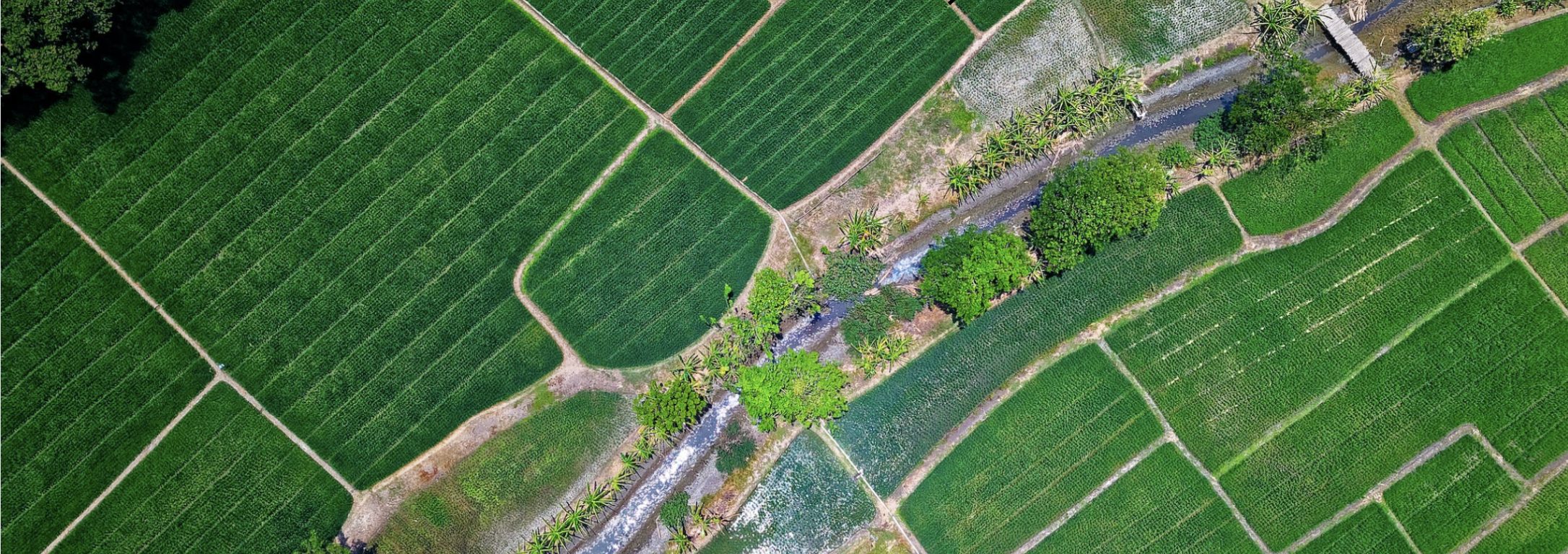


In this regard, the study identifies specific locations where soil carbon storage capacity must be preserved or enhanced. FAO states:
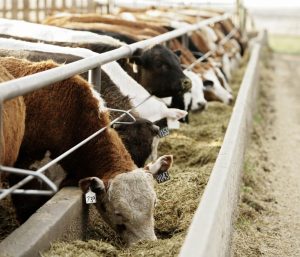
“… it is necessary to balance the benefits of animal-derived food and livestock farming for nutrition, health, livelihoods, and well-being with the urgent need to reduce greenhouse gas emissions to address the climate crisis, which also threatens food security.”


The “Global Assessment of Soil Carbon in Grasslands” outlines that its approach primarily centered on evaluating organic soil carbon up to a depth of 30 cm. Furthermore, it notes that this substance “may also be retained in deeper strata, emphasizing the need for future efforts in enhancing existing estimations and devising novel methods to forecast SOC in deeper soil strata.”
Source:
Dondini, M., Martin, M., De Camillis, C., Uwizeye, A., Soussana, J.-F., Robinson, T. & Steinfeld, H. 2023. Global assessment of soil carbon in grasslands – From current stock estimates to sequestration potential. FAO Animal Production and Health Paper No. 187. Rome, FAO. https://doi.org/10.4060/cc3981en
You may also like to read: “Environment & livestock production: Ensuring a sustainable global food supply.”
Subscribe now to the technical magazine of animal nutrition
AUTHORS
From 2025 Data to 2026 Decisions: Managing Mycotoxin Risk in a Changing Climate

Alterion® NE Celebrates 10 Years of Poultry Gut Health Innovation
The Science Behind Kolin Plus: Beyond Choline Replacement
Summer Infertility in Sows: Managing Heat Stress and Reproductive Performance
AO-Biotics® Amaferm®: Supporting Livestock Digestion and Performance

Interview with Güner Gövenç
Güner Gövenç,
Net Energy and Precision Feeding Shape the Future of Poultry Nutrition
Edgar Oviedo
Mycotoxins in Swine: Health Risks and Nutritional Solutions
Giuseppe Carcò
Mycotoxins and Piglet Ear Necrosis: Cause, Cofactor or Coincidence?
Alberto Morillo
How Mycotoxins Affect Intestinal Health in Pigs and Poultry
Marcos Rostagno
From Antibiotics to Functional Feeds in Aquaculture
Babatunde Saliu
Peas as an Alternative to Soybean Meal in Beef Cattle Finishing Diets
Daniel Villalba Mata,
Improving Egg Yolk Pigmentation Through Better Nutrient Transport

Aquaculture and Aquaponics Nutrition: How Fish Shape the Growth of Greens
Trenton Corby
Consistency in Soybean Meal Drives Performance and Sustainability