 05 Jun 2023
Environment & livestock production: Ensuring a sustainable global food supply
Introduction
As the global population continues to grow, ensuring a sustainable and secure food supply is paramount. Livestock production plays a vital role in meeting this demand, but it also poses significant environmental challenges. To achieve a sustainable food supply, it is crucial to mitigate the environmental impact associated with livestock production. This entry reviews some of the main environmental challenges posed by livestock production and discuss potential strategies to mitigate such impacts. Aiming to move towards a more sustainable future.
The Environmental Impact of Livestock Production
Livestock production contributes to various environmental issues, including greenhouse gas emissions, deforestation, water pollution, and biodiversity loss. The sector accounts for a significant portion of global greenhouse gas emissions, primarily due to methane release from enteric fermentation and manure management. Additionally, the expansion of livestock farming often drives deforestation to create grazing land or grow animal feed crops, further exacerbating climate change and habitat destruction.
Mitigation Strategies for Environmental Impact
To achieve a sustainable food supply, it is essential to implement effective mitigation strategies. Here are some key approaches:



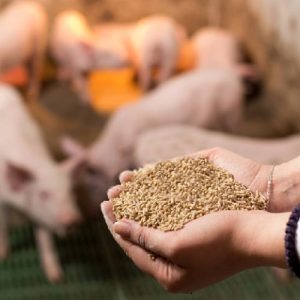
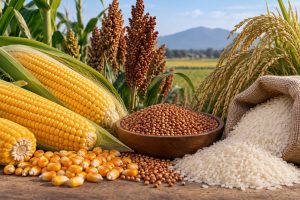
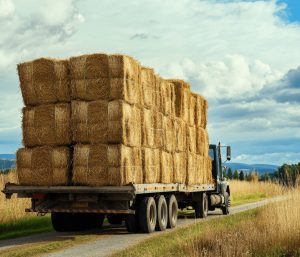
Improved Feed Management: Optimizing livestock diets to minimize resource use, incorporating alternative feed ingredients, and reducing food waste can significantly reduce the environmental footprint of livestock production. This approach enhances feed efficiency, minimizes methane emissions, and reduces pressure on land and water resources.
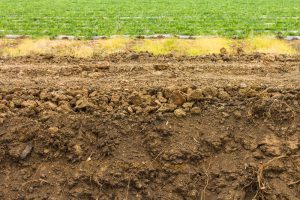
Sustainable Land Use: Promoting sustainable land use practices, such as agroforestry and rotational grazing, can help preserve ecosystems, reduce deforestation, and enhance soil health. These practices also contribute to carbon sequestration, mitigating climate change impacts associated with livestock production.
Efficient Resource Use: Implementing technologies and practices that improve resource efficiency, such as precision farming, efficient water management systems, and waste management techniques, can minimize the environmental impact of livestock production. These strategies reduce water usage, nutrient runoff, and greenhouse gas emissions, while also conserving natural resources. Genetic Selection and Animal Health: Breeding livestock for improved productivity and disease resistance can reduce the environmental impact per unit of production. Selecting animals with higher feed efficiency and resilience to environmental stressors can lead to reduced resource requirements and lower emissions.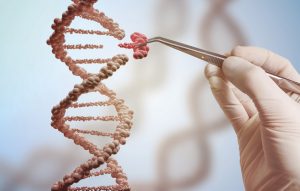
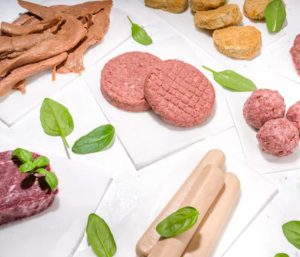
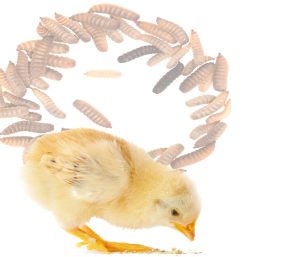
Transition to Alternative Protein Sources: Encouraging the development and consumption of alternative protein sources, such as plant-based proteins and cultured meat, can help reduce the environmental impact of livestock production. These alternatives offer a more sustainable and resource-efficient way to meet protein demands while minimizing greenhouse gas emissions and land use.
The Path to a Sustainable Future
Achieving a sustainable food supply requires a comprehensive approach that addresses the environmental impact of livestock production. This includes adopting innovative technologies, promoting sustainable farming practices, improving resource efficiency, and embracing alternative protein sources. Furthermore, collaboration between stakeholders, including farmers, researchers, policymakers, and consumers, is essential to drive systemic change and ensure the long-term viability of livestock production.
Final considerations
Livestock production plays a crucial role in meeting global food demands, but it also poses significant environmental challenges. To secure a sustainable food supply, it is imperative to implement mitigation strategies that minimize the environmental impact associated with livestock production. By adopting innovative practices, optimizing resource use, and exploring alternative protein sources, we can move towards a more sustainable future, preserving natural resources, mitigating climate change, and ensuring a secure food supply for future generations.
You may also like to read: “Livestock as a mitigating agent for greenhouse gas emissions.”

Subscribe now to the technical magazine of animal nutrition
AUTHORS
From 2025 Data to 2026 Decisions: Managing Mycotoxin Risk in a Changing Climate
Alterion® NE Celebrates 10 Years of Poultry Gut Health Innovation
The Science Behind Kolin Plus: Beyond Choline Replacement
Summer Infertility in Sows: Managing Heat Stress and Reproductive Performance
AO-Biotics® Amaferm®: Supporting Livestock Digestion and Performance

Interview with Güner Gövenç
Güner Gövenç,
Net Energy and Precision Feeding Shape the Future of Poultry Nutrition
Edgar Oviedo
Mycotoxins in Swine: Health Risks and Nutritional Solutions
Giuseppe Carcò
Mycotoxins and Piglet Ear Necrosis: Cause, Cofactor or Coincidence?
Alberto Morillo
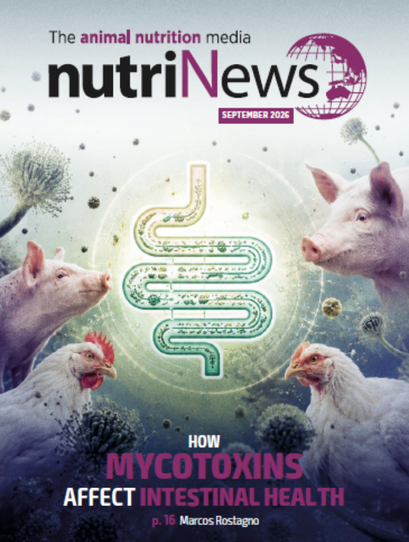
How Mycotoxins Affect Intestinal Health in Pigs and Poultry
Marcos Rostagno
From Antibiotics to Functional Feeds in Aquaculture
Babatunde Saliu
Peas as an Alternative to Soybean Meal in Beef Cattle Finishing Diets
Daniel Villalba Mata,
Improving Egg Yolk Pigmentation Through Better Nutrient Transport
Aquaculture and Aquaponics Nutrition: How Fish Shape the Growth of Greens
Trenton Corby
Consistency in Soybean Meal Drives Performance and Sustainability