



 30 May 2024
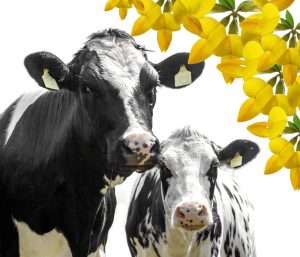
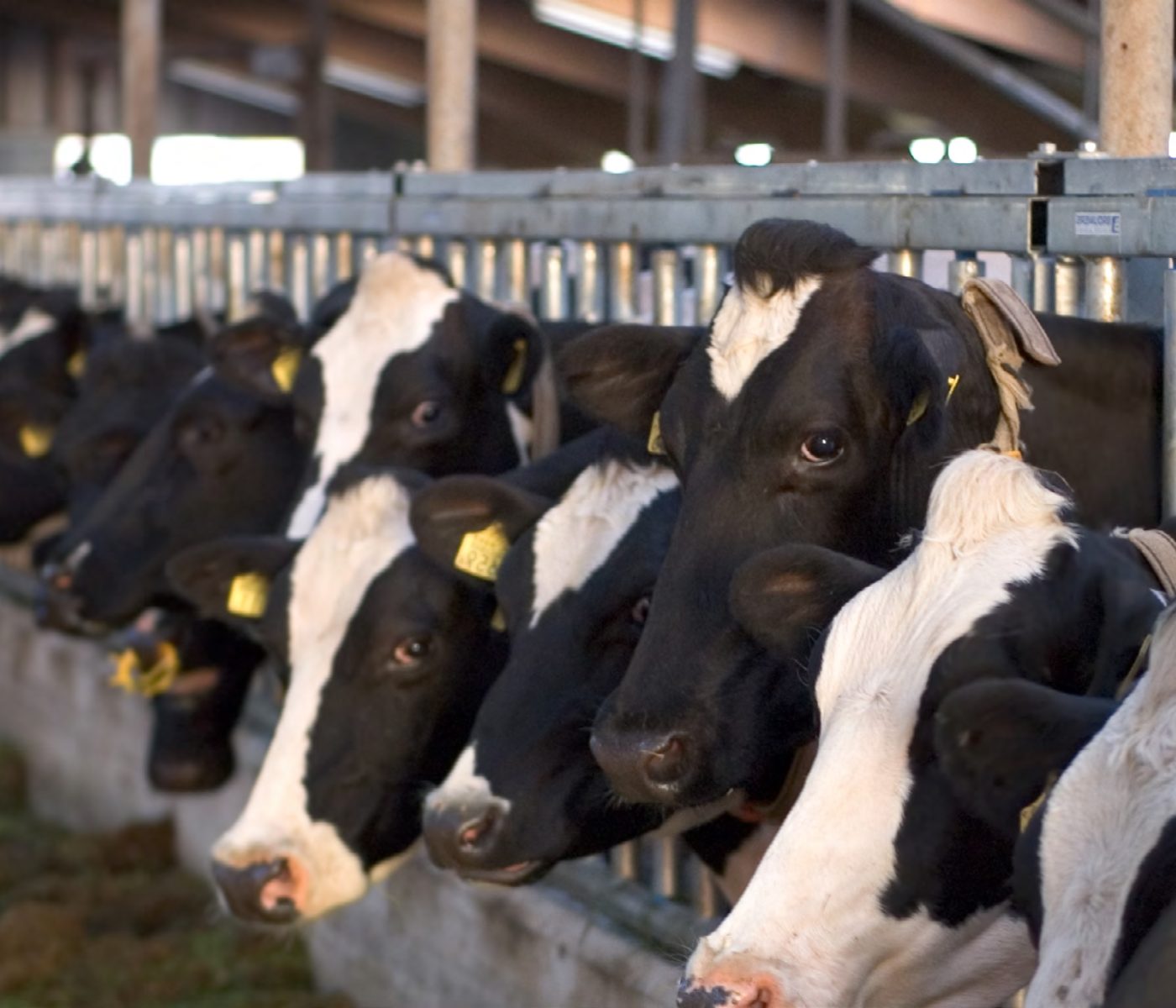
The Food and Drug Administration (FDA) has approved a groundbreaking feed additive, Bovaer (3-NOP), designed to significantly reduce methane emissions from lactating dairy cows. This move could enable dairy producers to earn revenue through voluntary carbon markets. Elanco, the company behind Bovaer, announced that this feed additive meets all safety and efficacy standards set for lactating dairy cattle.
Elanco has been researching and developing Bovaer for over 10 years. The product, already available in more than 55 countries including the European Union, is set to make a significant impact in the U.S. market following this approval. Earlier this year, Canada also moved to approve Bovaer.
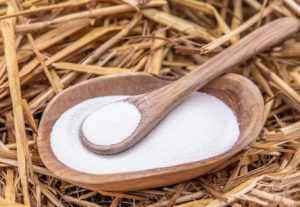
Bovaer is a powdered supplement added to animal feed, which works by inhibiting a cow’s ability to produce methane during digestion. According to Elanco, feeding each cow one tablespoon of Bovaer per day can reduce annual methane emissions by 30%, equivalent to eliminating 1.2 metric tons of carbon dioxide.

Jeff Simmons, president and CEO of Elanco Animal Health, praised the FDA’s decision:
“This monumental announcement has the ability to accelerate the opportunity for climate-neutral dairy farming while creating a new revenue stream for dairy farmers across the country. We appreciate the FDA’s commitment to maintaining high standards for science-based review while balancing the need to quickly bring solutions to the market.”

Methane emissions from cattle digestion and manure account for about 4.5% of total U.S. emissions, or roughly 45% of agricultural emissions nationally, according to the University of Wisconsin-Madison. Several startups have attempted to address this issue through novel supplements, but regulatory delays have previously hindered their ability to enter the U.S. market. The FDA’s recent steps to accelerate the approval process for animal feed additives aim to address these delays.

Dairy farmers using Bovaer can also generate additional income through carbon credits. Elanco has partnered with Athian, a marketplace for dairy farmers to sell carbon credits. By using Elanco’s digital tool UpLook, farmers can quantify their emissions reductions and certify carbon credits on Athian’s platform.
This approval builds on Elanco’s history of pioneering solutions in animal health. In 2018, the FDA approved Elanco’s Experior, a product designed to reduce ammonia emissions from beef cattle, marking the first time the agency approved an animal drug to reduce gas emissions from livestock or their waste.
Dimitri de Vreeze, CEO at dsm-firmenich, which partnered with Elanco to fast-track Bovaer’s approval in the U.S., highlighted the product’s transformative potential:
“Bovaer holds the key to a transformative shift in the global dairy sector, and launching this feed ingredient in the U.S. after years of dedicated research, trials, and industry collaboration is a testament to its global potential.”
The approval of Bovaer by the FDA is seen as a critical step in reducing the carbon footprint of dairy farming. This development not only supports environmental sustainability but also offers economic benefits to farmers through enhanced feed efficiency and participation in carbon markets. The USDA’s support, including $90 million in conservation grant funding, further underscores the importance of this initiative in moving towards climate-neutral dairy farming.
You may also like to read: “Dairy companies take the forefront in emissions reduction”

Subscribe now to the technical magazine of animal nutrition
AUTHORS
From 2025 Data to 2026 Decisions: Managing Mycotoxin Risk in a Changing Climate
Alterion® NE Celebrates 10 Years of Poultry Gut Health Innovation
The Science Behind Kolin Plus: Beyond Choline Replacement
Summer Infertility in Sows: Managing Heat Stress and Reproductive Performance
AO-Biotics® Amaferm®: Supporting Livestock Digestion and Performance

Interview with Güner Gövenç
Güner Gövenç,
Net Energy and Precision Feeding Shape the Future of Poultry Nutrition
Edgar Oviedo
Mycotoxins in Swine: Health Risks and Nutritional Solutions
Giuseppe Carcò
Mycotoxins and Piglet Ear Necrosis: Cause, Cofactor or Coincidence?
Alberto Morillo
How Mycotoxins Affect Intestinal Health in Pigs and Poultry
Marcos Rostagno
From Antibiotics to Functional Feeds in Aquaculture
Babatunde Saliu
Peas as an Alternative to Soybean Meal in Beef Cattle Finishing Diets
Daniel Villalba Mata,
Improving Egg Yolk Pigmentation Through Better Nutrient Transport

Aquaculture and Aquaponics Nutrition: How Fish Shape the Growth of Greens
Trenton Corby
Consistency in Soybean Meal Drives Performance and Sustainability