 29 Sep 2026
by Cecile Tijou-Antkowiak, Global Marketing Director at ADM Animal Nutrition
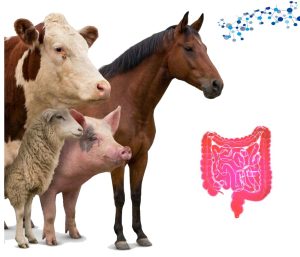
In today’s rapidly evolving animal nutrition industry, feed additives have become essential tools to unlock productivity, improve animal health, and drive sustainable performance.
As global demand for high-quality animal protein grows, producers face increasing pressure to balance efficiency, animal welfare, and environmental impact.
At ADM, we believe that even small steps can lead to significant impact—delivering advanced feed additive solutions that help customers move from simply sustaining operations to truly performing at their full potential.

The role of feed additives in modern animal nutrition
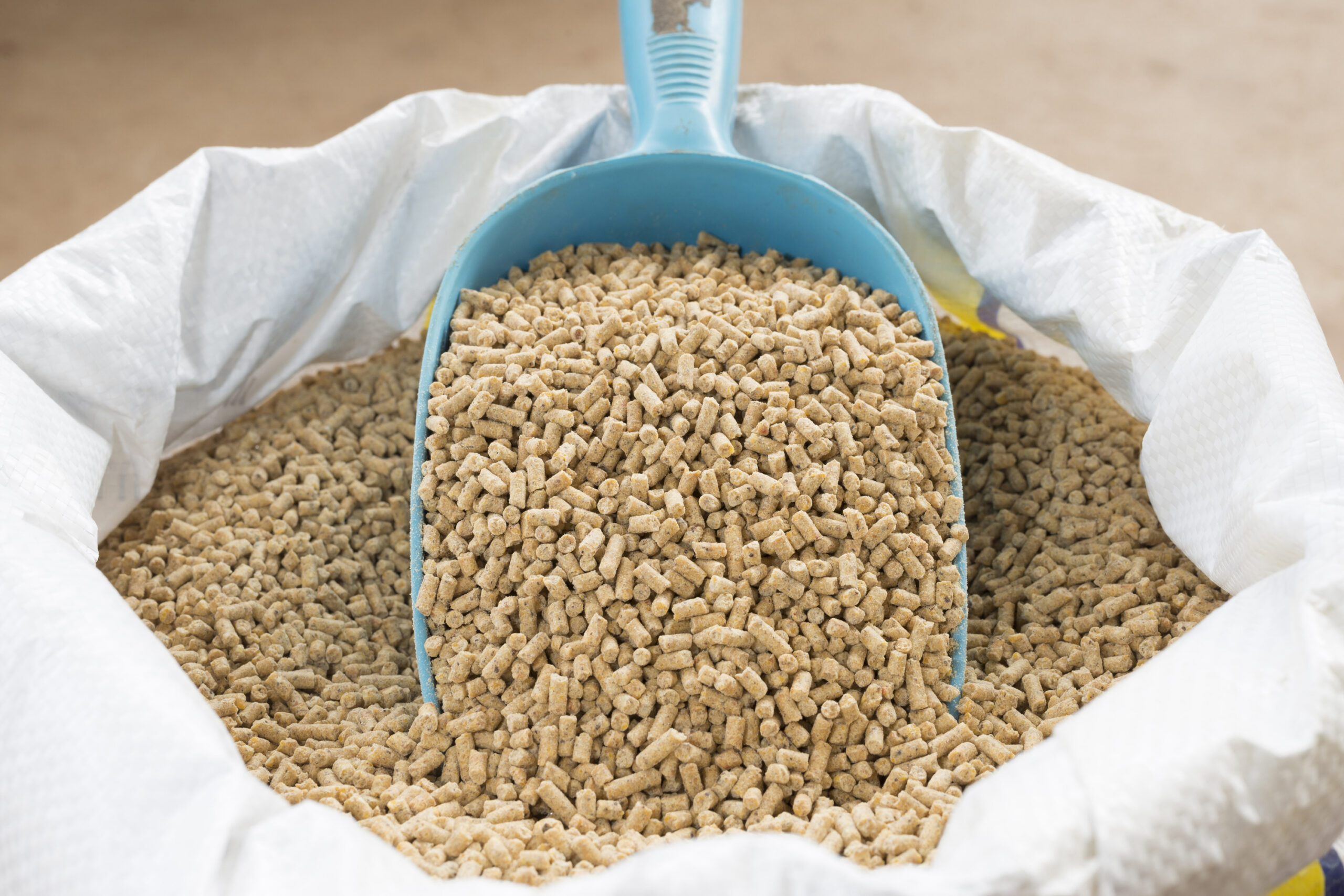
Feed additives are functional ingredients added in small quantities to animal diets to enhance feed quality, improve nutrient digestibility, and support overall animal performance.
Their role goes far beyond supplementation: they are designed to optimize biological processes, from digestion and metabolism to immune response and product quality.
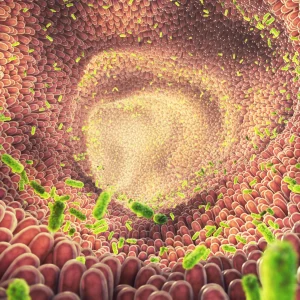
Today, feed additives encompass a broad range of solutions, including plant extracts, biotics, organic acids, trace minerals, enzymes and palatants. These additives help improve feed efficiency, support gut health, and promote consistent growth, ultimately contributing to more sustainable and profitable animal production systems.
In an industry where inefficiencies and health challenges result in billions of dollars in losses, precision nutrition has become a critical differentiator.
Advanced feed additives play a pivotal role in bridging the gap between baseline nutrition and optimal performance—ensuring that animals can fully utilize every gram of feed while maintaining resilience and well-being.
From ingredients to integrated ADM feed additives solutions
At ADM, feed additives are not viewed as standalone inputs, but as integrated, science-based solutions. By leveraging deep expertise in animal physiology and nutrition, ADM develops additives that target key metabolic pathways and biological functions, helping producers achieve measurable improvements in productivity and profitability.
This approach reflects a broader shift in the industry: moving from generic feeding strategies toward precision nutrition. Rather than applying a one-size-fits-all model, ADM works to understand the specific nutritional requirements of each species, production stage, and environment. This enables the delivery of tailored solutions that enhance performance while reducing waste and environmental footprint.
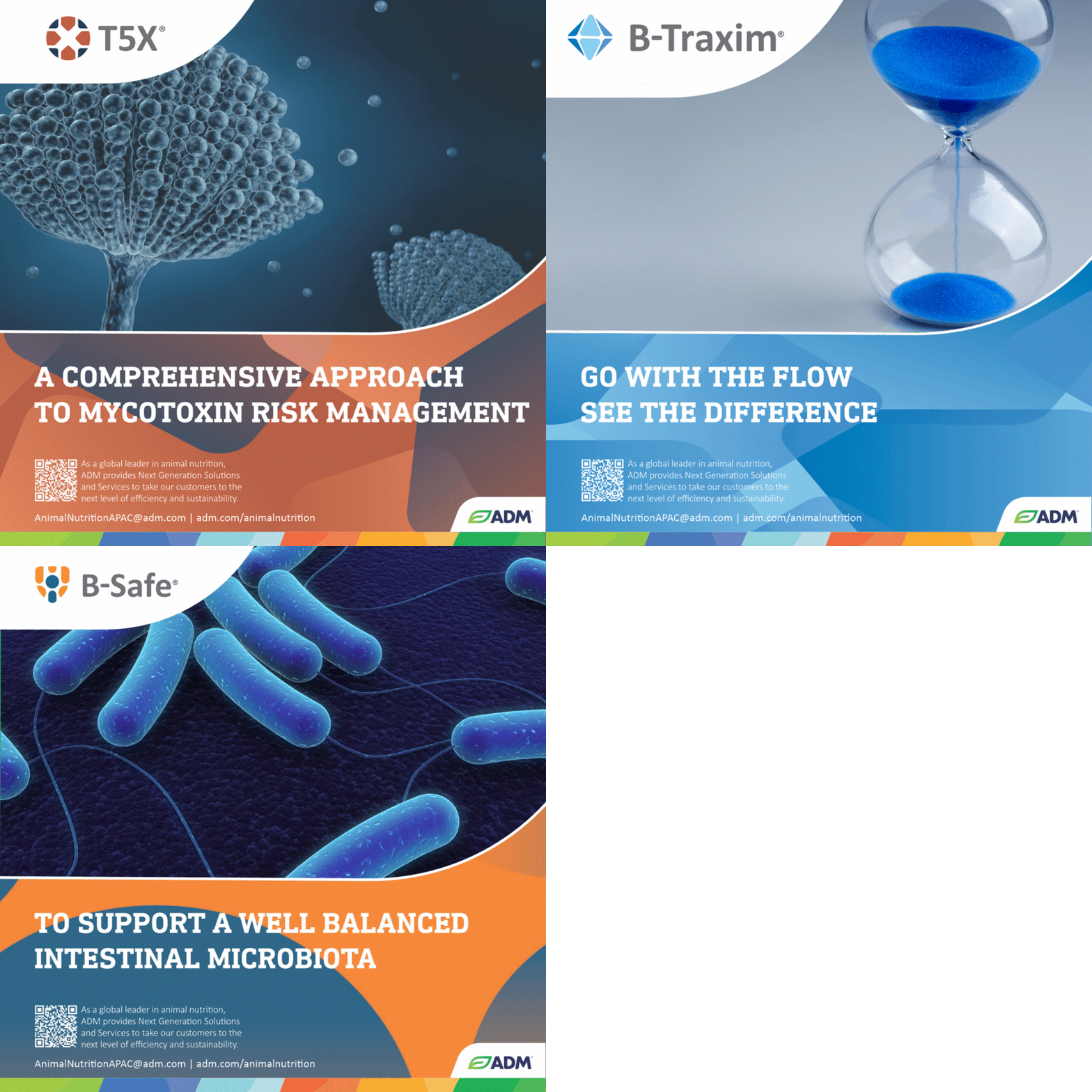
ADM Feed Additives bring together a comprehensive portfolio of technologies, including bioactives, biotics, palatants, organic trace minerals, toxin binders, and organic acids—each designed to address specific on-farm challenges. For example:
These solutions work at a molecular and nutritional level to improve feed conversion ratios, optimize nutrient utilization, and unlock the full genetic potential of livestock—maximizing the value of every input.
ADM Feed Additives: Science-driven innovation at scale
ADM Feed Additives represent the combined strength of deep scientific expertise, global infrastructure, and continuous innovation. Building on decades of research in animal nutrition, ADM applies a science-based approach focused on understanding mechanisms of action and delivering measurable results in real production environments.
With a global network of research centers, technical experts, and partnerships with leading universities, ADM develops solutions grounded in rigorous science and validated through field application. This ensures that customers benefit from technologies that are not only innovative, but also practical, reliable, and scalable.
The ADM Feed Additives portfolio continues to evolve, expanding across species and production systems to address emerging challenges such as feed variability, disease pressure, and the need for antibiotic reduction.
By integrating multiple areas of expertise—ranging from gut health to sensory science—ADM provides holistic solutions that support long-term performance and resilience.
Enabling sustainable performance
Sustainability is no longer optional in animal agriculture—it is a fundamental requirement. Feed additives play a critical role in enabling more sustainable production by improving efficiency and reducing resource use.
By enhancing nutrient digestibility, additives allow animals to produce more output from less input, reducing feed consumption, waste, and greenhouse gas emissions.
They also support animal health and resilience, lowering reliance on antibiotics and contributing to safer and more responsible food systems.
Shaping the future of animal nutrition
The future of animal nutrition lies in precision, innovation, and collaboration. Feed additives are at the forefront of this transformation—evolving from simple supplements into strategic tools that drive efficiency, health, and sustainability.
At ADM Animal Nutrition, this vision is embodied in a commitment to Next Generation Thinking: combining scientific expertise, global reach, and customer partnership to solve the industry’s most pressing challenges.
By delivering integrated solutions and services, ADM Feed Additives help producers navigate complexity and unlock new opportunities for growth.
Ultimately, the goal is clear: to sustain the future of animal agriculture—one farm at a time. Through advanced feed additives and a relentless focus on innovation, ADM is helping shape a more efficient, responsible, and sustainable food system for generations to come.


Subscribe now to the technical magazine of animal nutrition
AUTHORS
From 2025 Data to 2026 Decisions: Managing Mycotoxin Risk in a Changing Climate
Trenton Corby
Alterion® NE Celebrates 10 Years of Poultry Gut Health Innovation
The Science Behind Kolin Plus: Beyond Choline Replacement
Summer Infertility in Sows: Managing Heat Stress and Reproductive Performance
AO-Biotics® Amaferm®: Supporting Livestock Digestion and Performance

Interview with Güner Gövenç
nutriNews International Technical Team
Net Energy and Precision Feeding Shape the Future of Poultry Nutrition
Edgar Oviedo
Mycotoxins in Swine: Health Risks and Nutritional Solutions
Giuseppe Carcò
Mycotoxins and Piglet Ear Necrosis: Cause, Cofactor or Coincidence?
Alberto Morillo
How Mycotoxins Affect Intestinal Health in Pigs and Poultry
Marcos Rostagno
From Antibiotics to Functional Feeds in Aquaculture
Babatunde Saliu
Peas as an Alternative to Soybean Meal in Beef Cattle Finishing Diets
Sandra Costa-Roura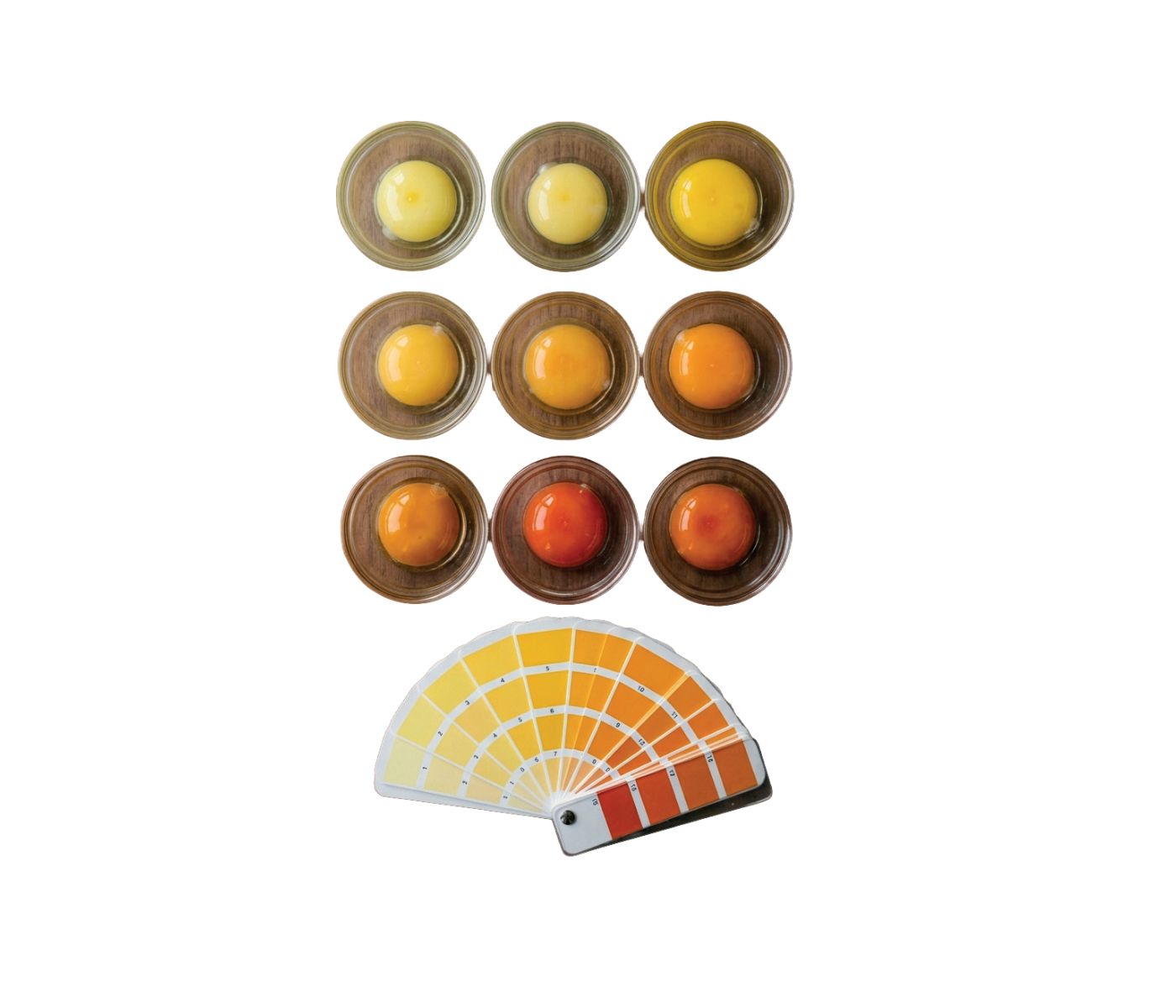
Improving Egg Yolk Pigmentation Through Better Nutrient Transport

Aquaculture and Aquaponics Nutrition: How Fish Shape the Growth of Greens
Trenton Corby
Consistency in Soybean Meal Drives Performance and Sustainability