



Reasons to use fishmeal in cattle feeding.
 09 Jan 2024
Reasons to use fishmeal in cattle feeding.
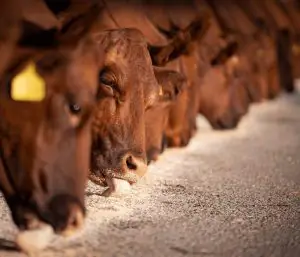
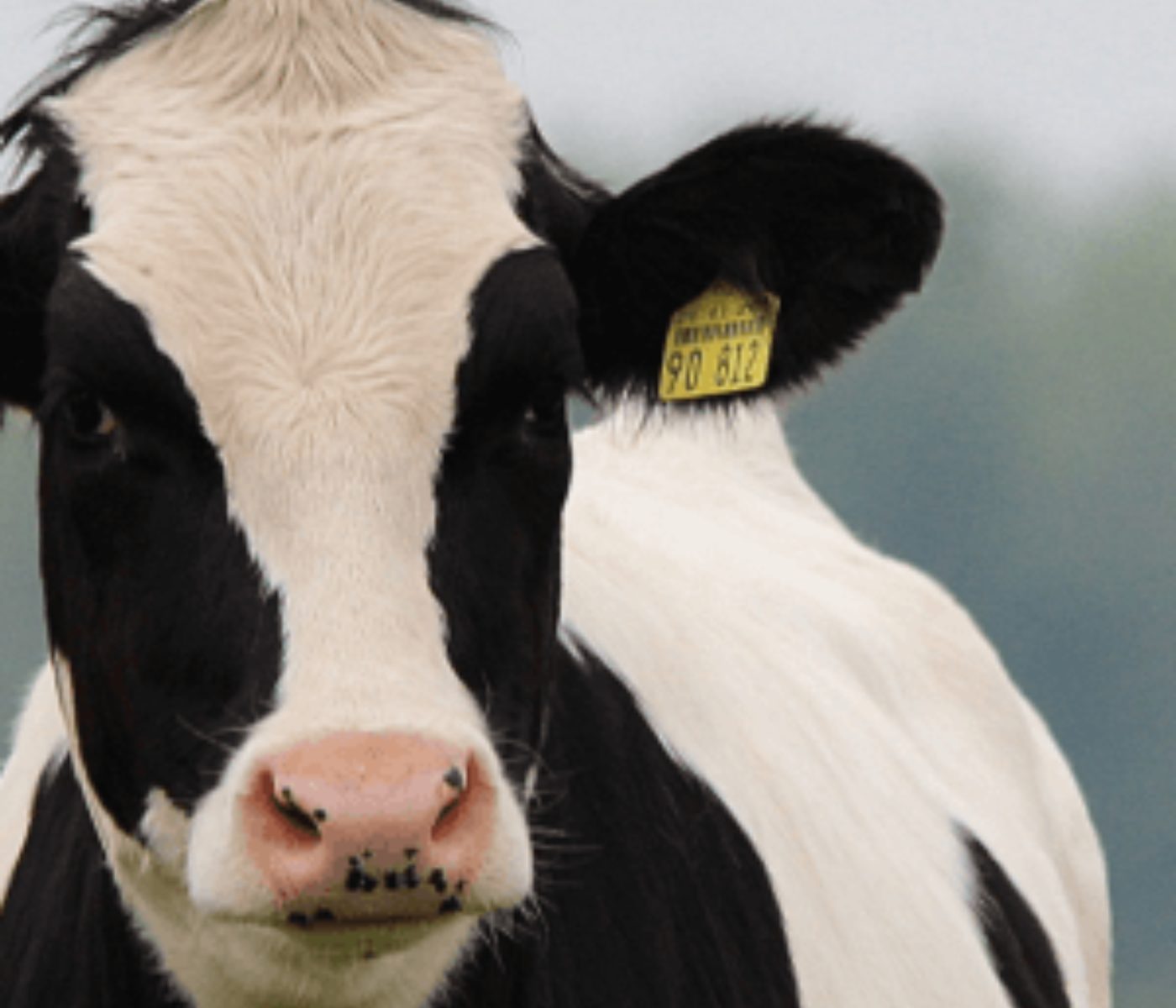
 The primary nutritional asset in fishmeal is its protein content, which greatly captures the attention of producers. In this discussion, we will explore the reasons why incorporating fishmeal into cattle diets is considered advantageous.
The protein in fishmeal is highly digestible, ensuring optimal absorption and utilization by cattle. Fishmeal has gained recognition as a valuable component in cattle feeding, providing significant health and performance benefits to livestock. It is a high-quality protein source as it contains all the essential amino acids that cattle require for the growth and maintenance of their tissues.

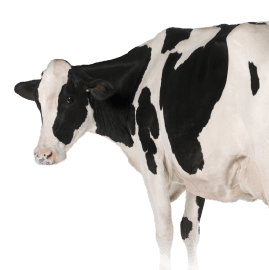 Here are the reasons provided by researchers Crucita Graü de Marín, Hilda Marval, and Aracelys Zerpa de Marcano regarding the utilization of this feed source:
 “High protein content (over 65%) and an excellent composition of essential amino acids, only inferior to milk and egg protein, and much superior to any plant protein product,” say the experts.
The product’s digestibility is high, often exceeding 90%.


Its vitamin content, especially B-complex vitamins, is very beneficial, in addition to being the only one that contains significant amounts of vitamin D.
It contains significant amounts of minerals such as selenium and others, which act as coadjuvants in enzymatic processes.
Both fishmeal and fish oils include polyunsaturated Omega-3 fatty acids, comprising the crucial acids eicosapentaenoic acid (EPA) and docosahexaenoic acid (DHA). These essential components are naturally abundant in oily fish and are also present in foods enriched with Omega-3.
The nutrients found in fishmeal, including vitamins and minerals, play a role in enhancing the immune system of cattle. It is important to emphasize that a robust immune system is vital for disease prevention and the overall welfare of cattle.
Fishmeal has been shown to have a positive impact on the reproductive development of cattle. Improved semen quality in males and increased fertility in females are benefits associated with its inclusion in the diet.
This dietary product is frequently derived from by-products of the fishing industry, actively promoting sustainability through the utilization of resources that would otherwise be discarded. This feature positions fishmeal as an environmentally responsible choice.
Source:
Subscribe now to the technical magazine of animal nutrition
AUTHORS
From 2025 Data to 2026 Decisions: Managing Mycotoxin Risk in a Changing Climate
Alterion® NE Celebrates 10 Years of Poultry Gut Health Innovation
The Science Behind Kolin Plus: Beyond Choline Replacement

Summer Infertility in Sows: Managing Heat Stress and Reproductive Performance
AO-Biotics® Amaferm®: Supporting Livestock Digestion and Performance

Interview with Güner Gövenç
Güner Gövenç,
Net Energy and Precision Feeding Shape the Future of Poultry Nutrition
Edgar Oviedo
Mycotoxins in Swine: Health Risks and Nutritional Solutions
Giuseppe Carcò
Mycotoxins and Piglet Ear Necrosis: Cause, Cofactor or Coincidence?
Alberto Morillo
How Mycotoxins Affect Intestinal Health in Pigs and Poultry
Marcos Rostagno
From Antibiotics to Functional Feeds in Aquaculture
Babatunde Saliu
Peas as an Alternative to Soybean Meal in Beef Cattle Finishing Diets
Daniel Villalba Mata,
Improving Egg Yolk Pigmentation Through Better Nutrient Transport

Aquaculture and Aquaponics Nutrition: How Fish Shape the Growth of Greens
Trenton Corby
Consistency in Soybean Meal Drives Performance and Sustainability