15 Oct 2026

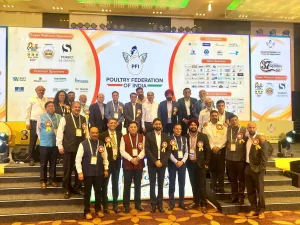
By Ricky Thaper, Joint Secretary at the Poultry Federation of India
India’s soybean sector is facing mounting challenges this kharif season, with erratic monsoon rainfall and uneven weather conditions threatening crop productivity. While soybean acreage remains broadly stable, concerns over yields are growing across key producing regions.
Soybean sowing in this year’s kharif season according to the Agriculture Ministry stands at 12.31 million hectares, marginally lower than 12.33 million hectares reported last year.


Industry estimates the all-India soybean acreage at 11.79 million hectares to 12.26 million hectares. However, concern on the productivity of key oilseed crops remains because of skewed distribution of monsoon rainfall across key growing regions.
Unfortunately, the Agriculture Ministry does not anticipate any sharp fall in soybean output this season. Soybean was planted across 4.95 million hectares in Maharashtra this season, with nearly half of that area concentrated in Marathwada’s eight districts.
Drought declared in 265 talukas in Maharashtra and soybean is among the worst-affected crops in the state. Yellow mosaic pest outbreaks have been reported and Beed and Jalna districts show the heaviest crop damage in Marathwada regions of Maharashtra.


In Mandsaur, Madhya Pradesh, biggest producer of soybean, delayed early rains forced farmers to re-sow two or three times and later continuous rain caused waterlogging, root rot and pest pressure.
At present soybean seed prices are ruling in the range of USD 693-704 per ton (excluding GST) in Madhya Pradesh. Prices of soybean in Maharashtra have touched USD 735 per ton in Maharashtra, for the first time in seven years in October month.
The soybean meal (with 46% protein) prices are currently ruling around USD 588 per ton (excluding GST) at the ex-factory in Madhya Pradesh while hi-pro soybean meal (with 50% protein) is being sold at USD 624 per ton.
Soybean is a critical raw material for the poultry and animal feed industries. Rising soybean meal prices are increasing feed costs, putting pressure on poultry producers and potentially translating into higher prices for consumers.
With soybean meal and de-oiled cake prices remaining elevated. The extent of price moderation will depend on actual yields, crop arrivals, and market supply. The key factors to boost productivity are to improve new high yielding varieties of soybean.
As soybean is a key component of poultry, dairy and aqua feed, allowing genetically modified (GM) soybean meal may address rising feed prices. Without the supply of feed at reasonable prices, the sustained growth of poultry cannot be achieved.
India cannot achieve sustained growth in poultry production without ensuring a dependable supply of quality feed at competitive prices.
While domestic productivity improvements remain the long-term solution, an import policy could help bridge temporary supply gaps and ease price pressures.
A balanced approach that supports soybean farmers while ensuring affordable feed for the poultry industry is essential for building a resilient agricultural and food value chain.
The government should treat feed security at par with the concern for food security and allow import of genetically modified (GM) as soybean meal to ease feed supplies.
Feed security should be treated as food security.


Subscribe now to the technical magazine of animal nutrition
AUTHORS
From 2025 Data to 2026 Decisions: Managing Mycotoxin Risk in a Changing Climate
Alterion® NE Celebrates 10 Years of Poultry Gut Health Innovation
The Science Behind Kolin Plus: Beyond Choline Replacement
Summer Infertility in Sows: Managing Heat Stress and Reproductive Performance
AO-Biotics® Amaferm®: Supporting Livestock Digestion and Performance

Interview with Güner Gövenç
Güner Gövenç,
Net Energy and Precision Feeding Shape the Future of Poultry Nutrition
Edgar Oviedo
Mycotoxins in Swine: Health Risks and Nutritional Solutions
Giuseppe Carcò
Mycotoxins and Piglet Ear Necrosis: Cause, Cofactor or Coincidence?
Alberto Morillo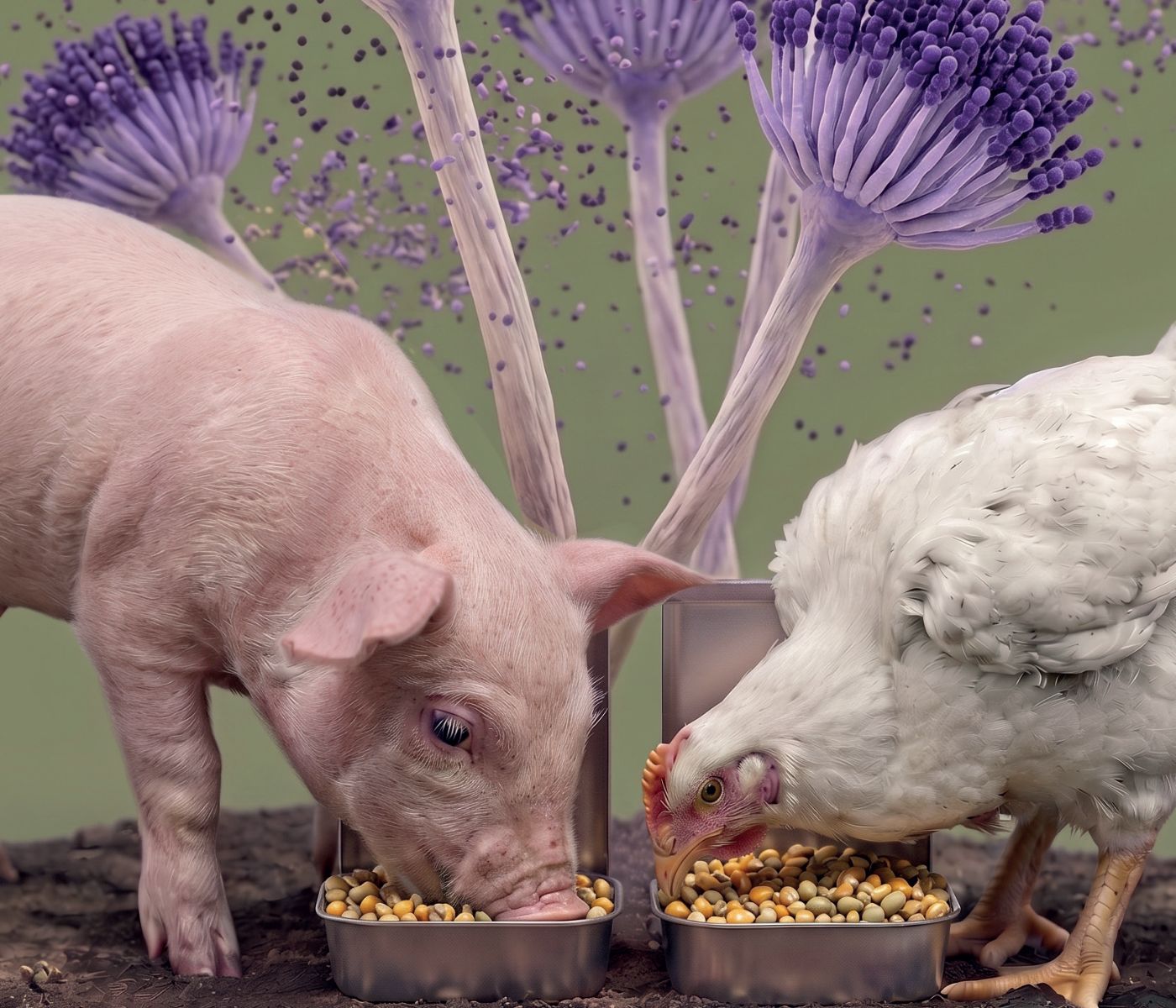
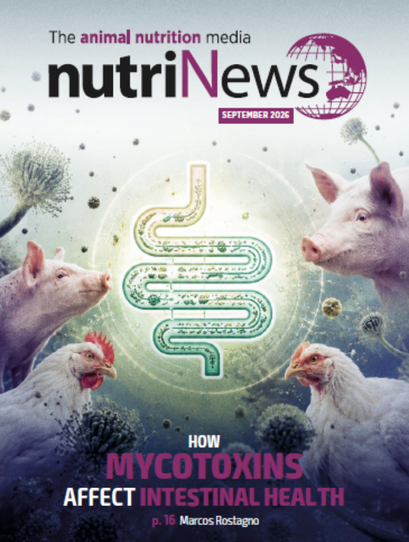
How Mycotoxins Affect Intestinal Health in Pigs and Poultry
Marcos Rostagno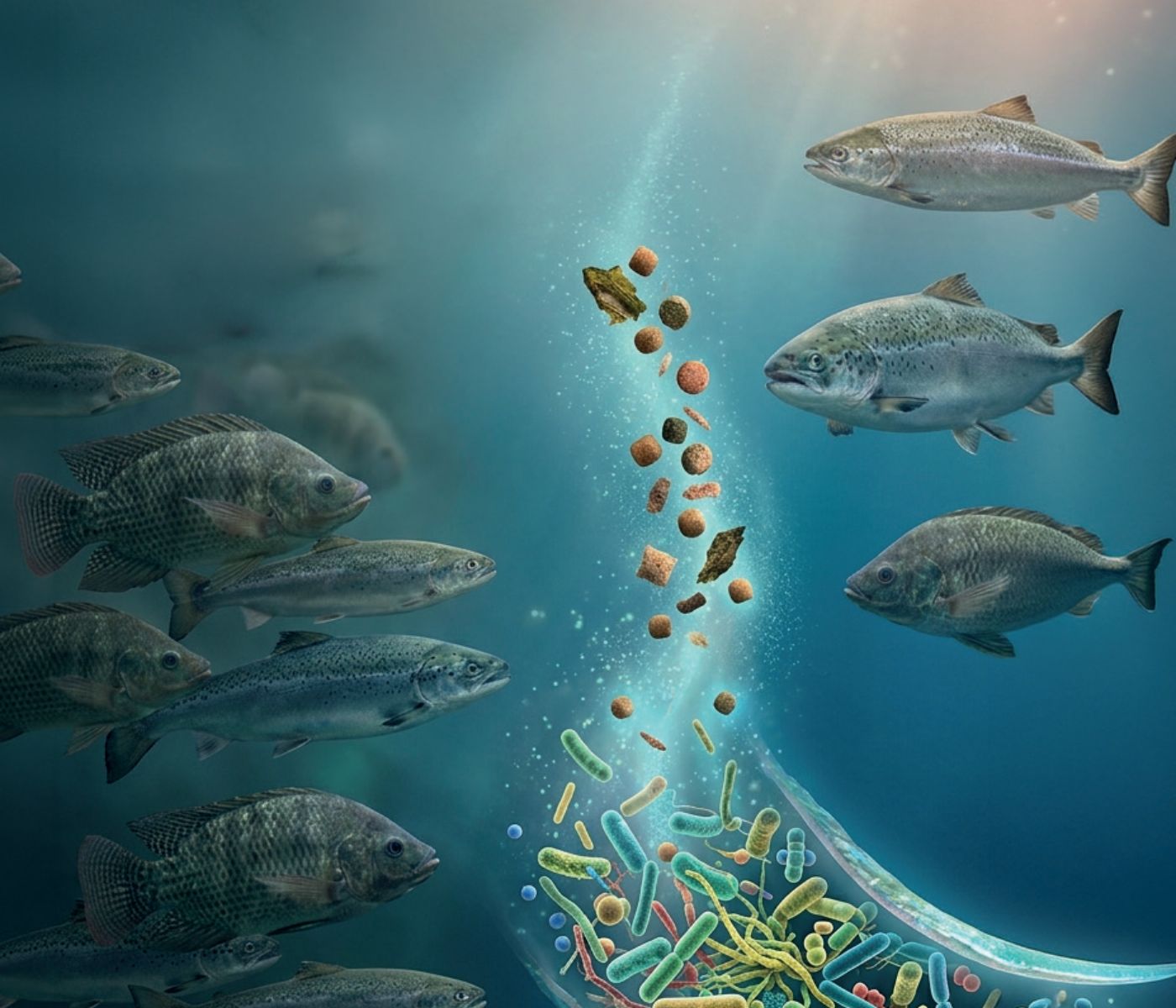
From Antibiotics to Functional Feeds in Aquaculture
Babatunde Saliu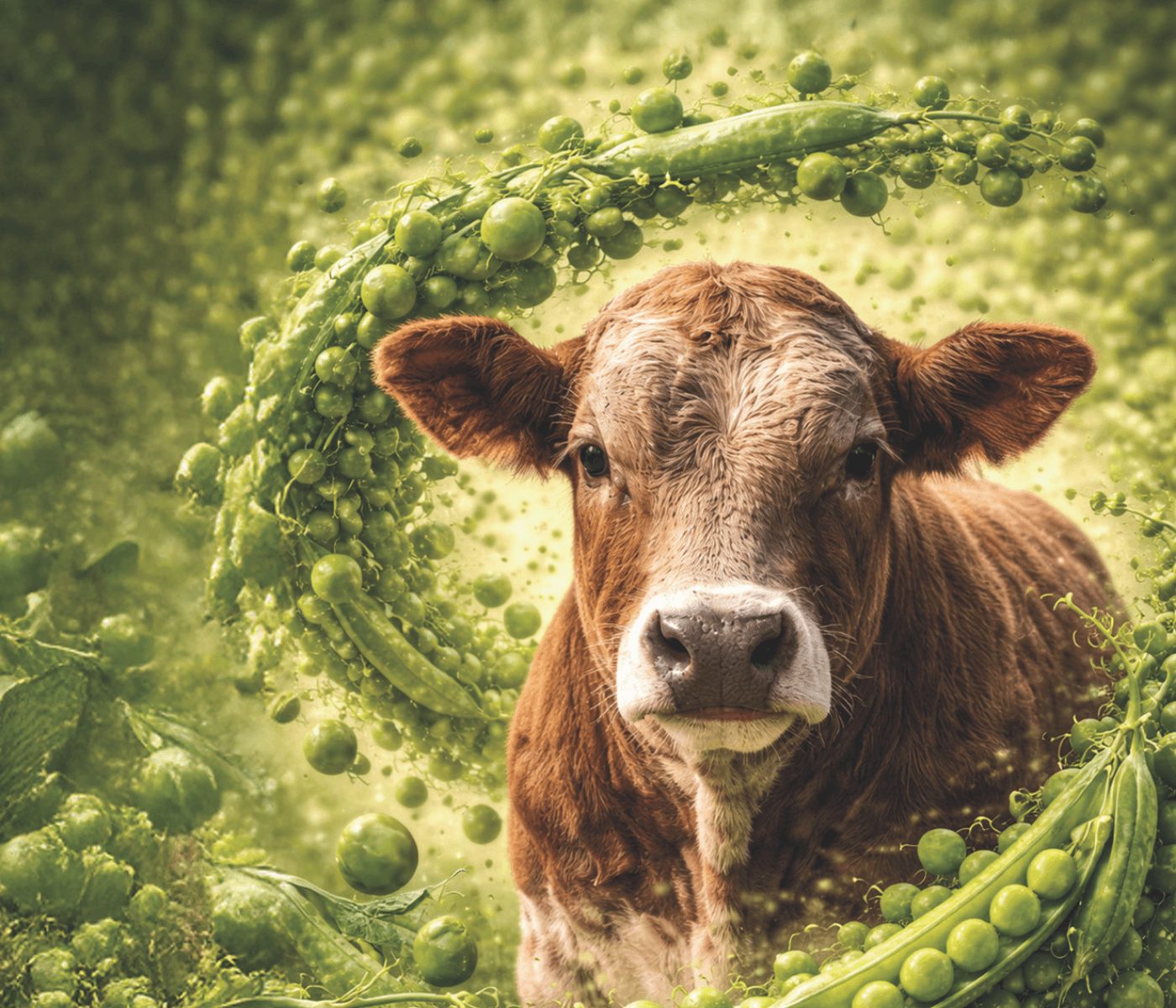
Peas as an Alternative to Soybean Meal in Beef Cattle Finishing Diets
Daniel Villalba Mata,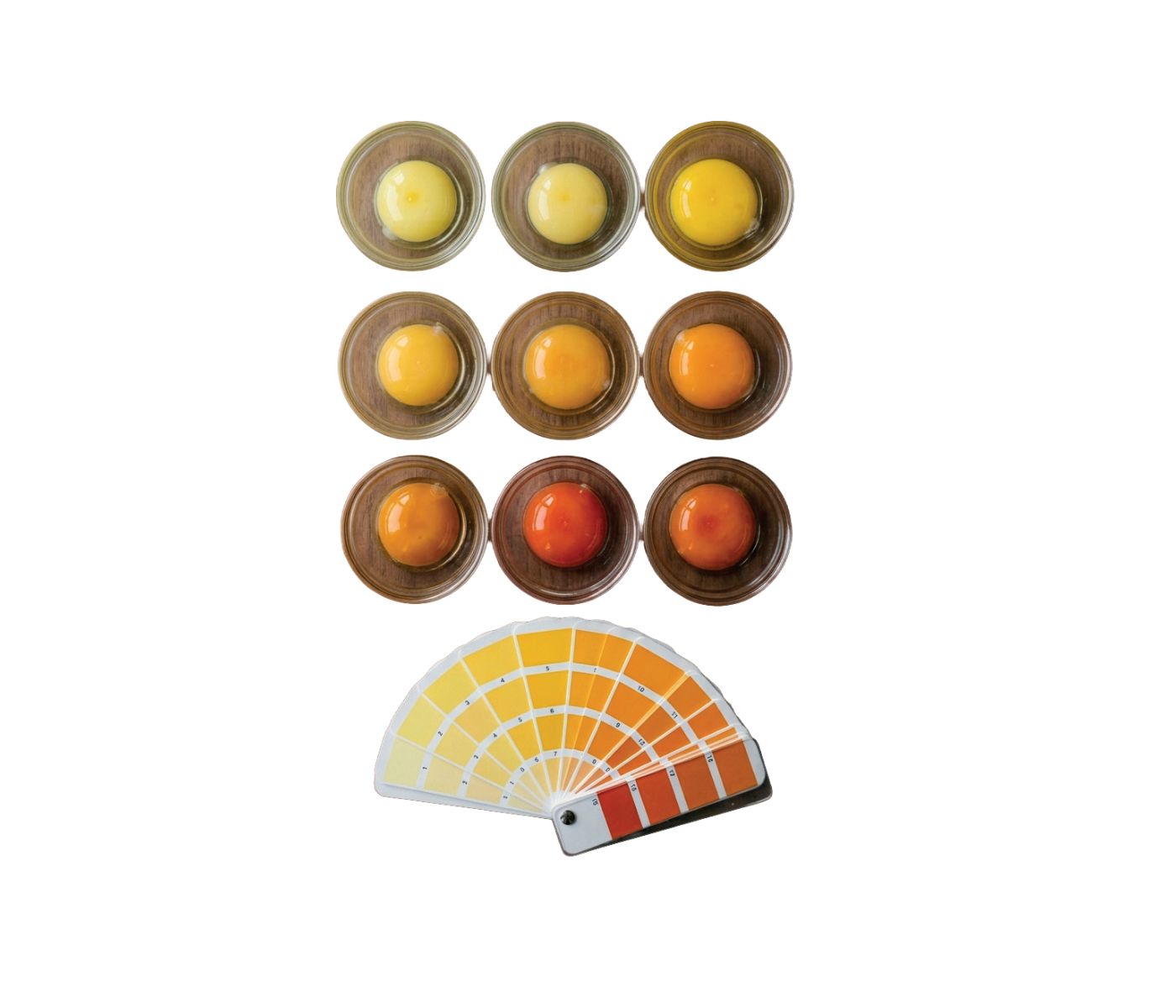
Improving Egg Yolk Pigmentation Through Better Nutrient Transport

Aquaculture and Aquaponics Nutrition: How Fish Shape the Growth of Greens
Trenton Corby
Consistency in Soybean Meal Drives Performance and Sustainability