 26 Jul 2023
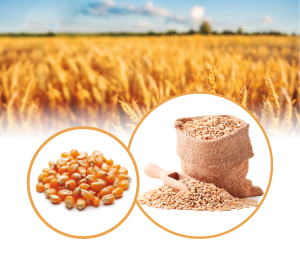
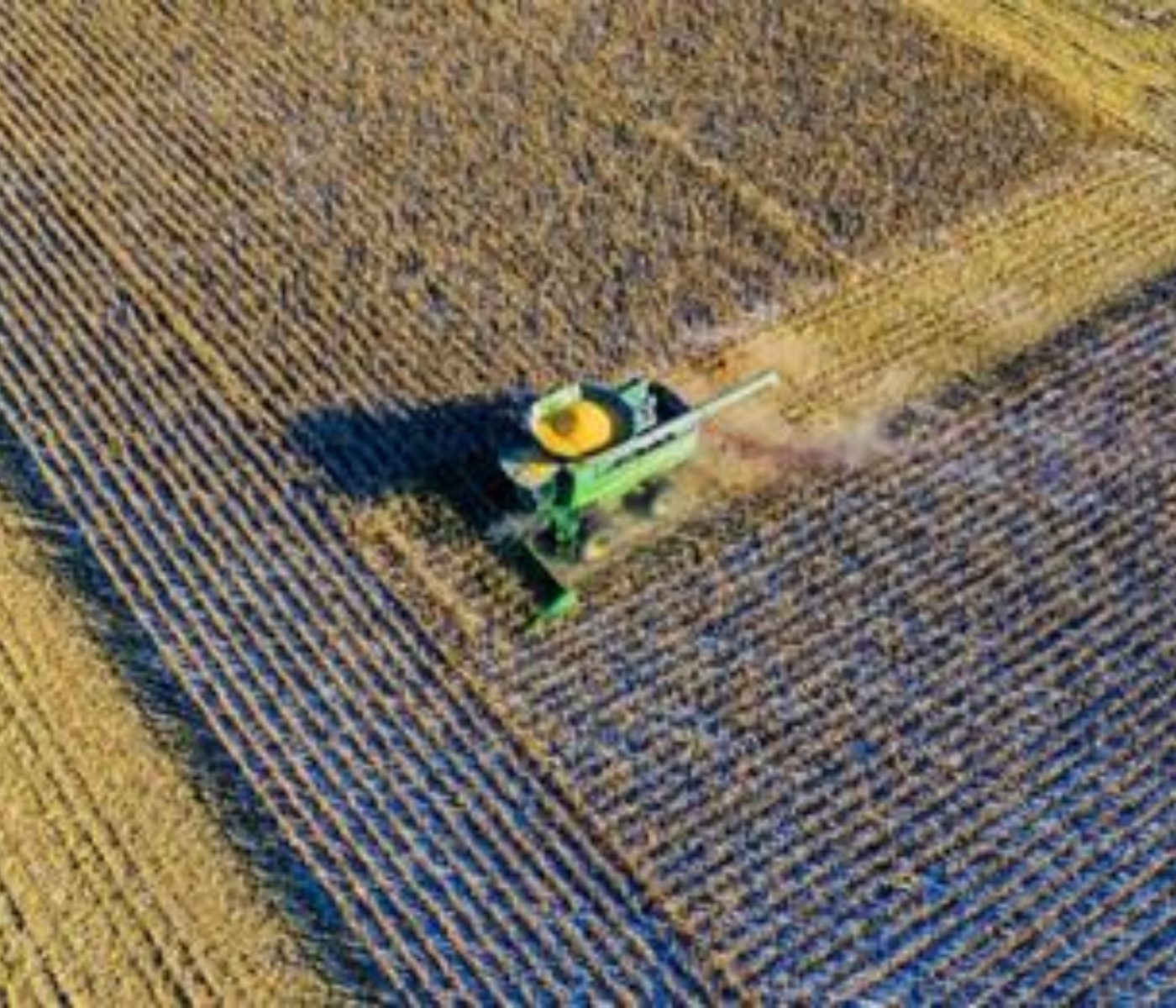
Global cereal production is expected to reach an unprecedented level in 2023/24, according to the latest bulletin on cereal supply and demand by FAO.
The organization has raised its estimates for global cereal production in 2023, now reaching 2,819 million tonnes, a 1.1% increase from the previous year.
The increase in global cereal production is primarily attributed to improved prospects for wheat, which is now estimated at 783.3 million tonnes. This boost is driven by favorable conditions in several countries, such as Canada, Kazakhstan, and Turkey. Nevertheless, it is important to note that global wheat production is anticipated to be 2.3% lower compared to the previous season.

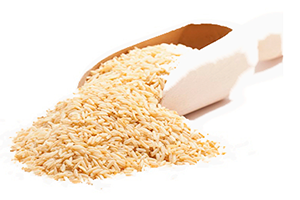 According to the latest forecast, there is a 2.9% expected increase in global coarse grain production compared to 2022, reaching a total of 1,512 million tonnes. Additionally, rice production for 2023/24 is projected to rise by 1.2% compared to the reduced level in 2022/23, reaching 523.7 million tonnes.
Anticipated to rise by 0.9% in the upcoming season, world cereal utilization is projected to reach 2,805 million tonnes, primarily due to increased usage of coarse grains, with a particular emphasis on corn for feed purposes.
FAO has increased its projection for global cereal reserves at the close of the 2023/24 season to 878 million tonnes, representing a rise of around 2.3% compared to the previous season. Should this figure be confirmed, the ratio between global cereal reserves and utilization would remain steady at 30.6%, signifying “favorable supply prospects for the new season.”



 FAO’s latest projection for global cereal trade in 2023/24 indicates a likely contraction of 0.9% compared to 2022/23, with a decline in wheat volumes from the record levels recorded.
Source https://www.fao.org/
Subscribe now to the technical magazine of animal nutrition
AUTHORS
From 2025 Data to 2026 Decisions: Managing Mycotoxin Risk in a Changing Climate
Alterion® NE Celebrates 10 Years of Poultry Gut Health Innovation
The Science Behind Kolin Plus: Beyond Choline Replacement
Summer Infertility in Sows: Managing Heat Stress and Reproductive Performance
AO-Biotics® Amaferm®: Supporting Livestock Digestion and Performance

Interview with Güner Gövenç
Güner Gövenç,
Net Energy and Precision Feeding Shape the Future of Poultry Nutrition
Edgar Oviedo
Mycotoxins in Swine: Health Risks and Nutritional Solutions
Giuseppe Carcò
Mycotoxins and Piglet Ear Necrosis: Cause, Cofactor or Coincidence?
Alberto Morillo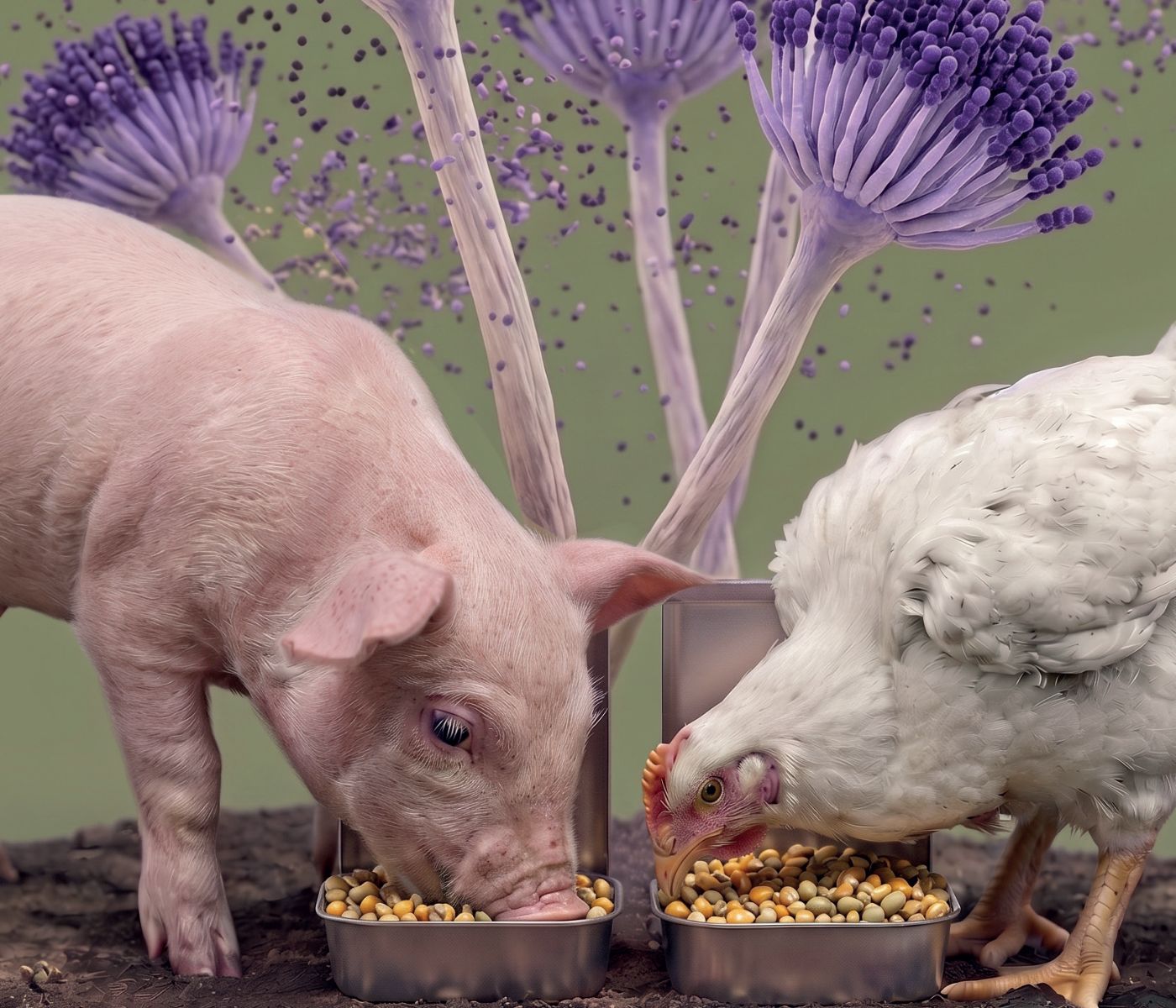
How Mycotoxins Affect Intestinal Health in Pigs and Poultry
Marcos Rostagno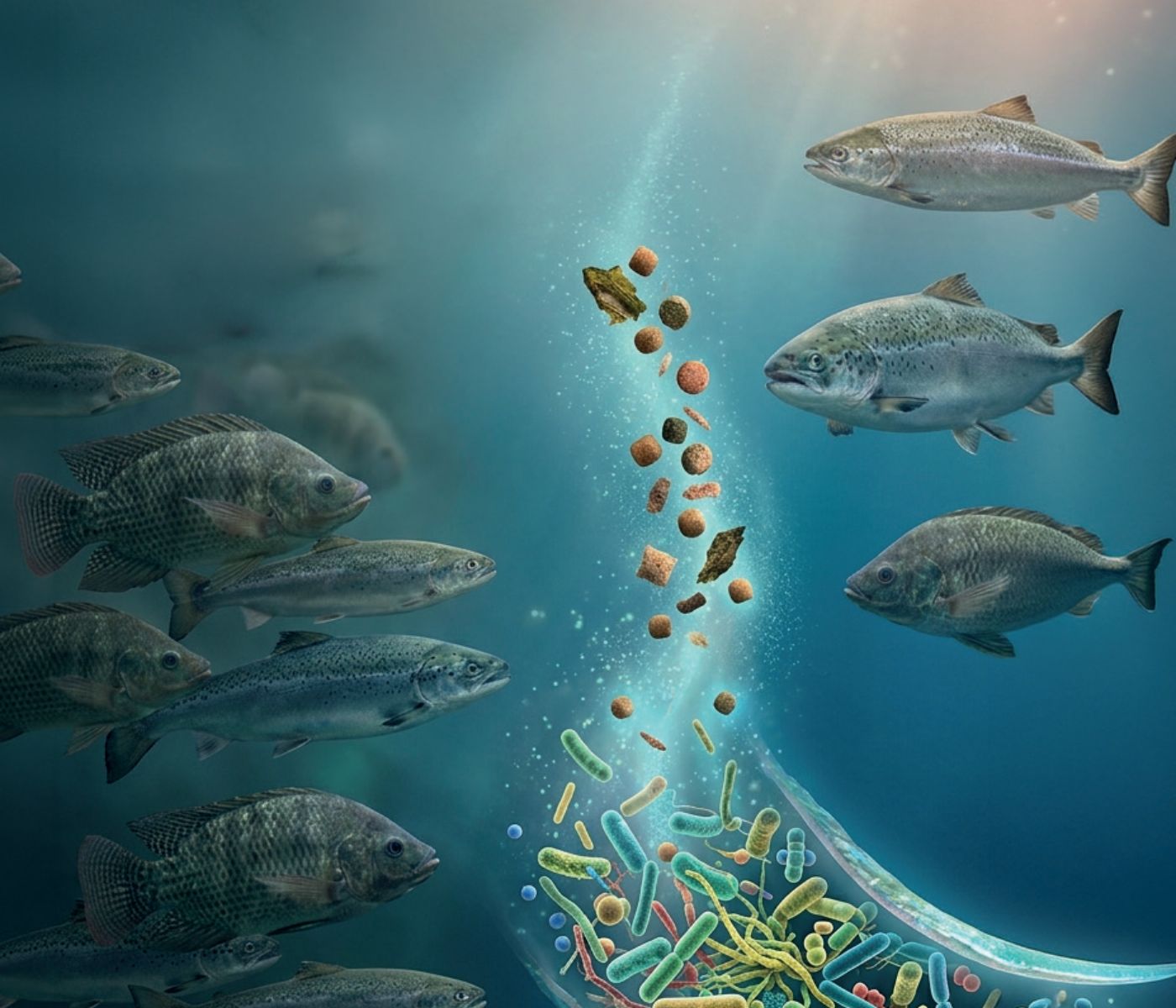
From Antibiotics to Functional Feeds in Aquaculture
Babatunde Saliu
Peas as an Alternative to Soybean Meal in Beef Cattle Finishing Diets
Daniel Villalba Mata,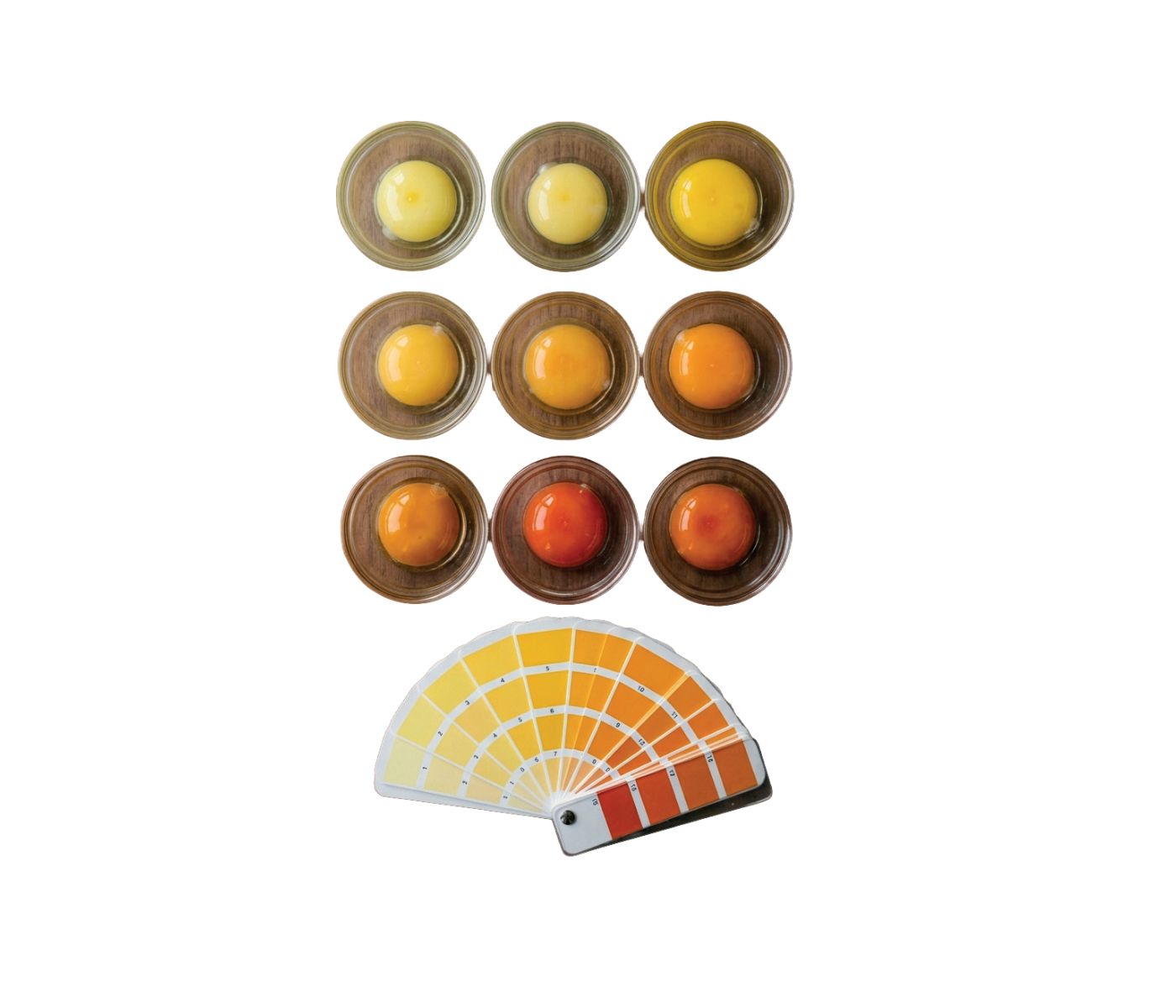
Improving Egg Yolk Pigmentation Through Better Nutrient Transport

Aquaculture and Aquaponics Nutrition: How Fish Shape the Growth of Greens
Trenton Corby
Consistency in Soybean Meal Drives Performance and Sustainability