 08 Jun 2026
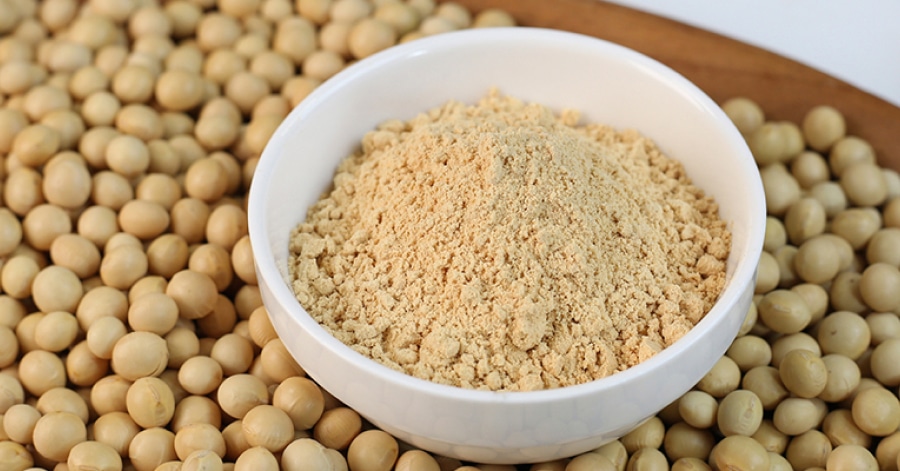
India’s poultry industry has agreed to reduce production by 25% and has begun culling parent breeder stocks after soybean meal prices increased by more than 40% during the past month, significantly raising feed costs for producers.
Leading poultry industry associations reached the decision following discussions on the growing feed-cost crisis facing the sector. Participants included representatives from:
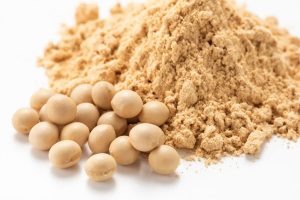
According to industry representatives, soybean meal prices have risen by more than 40% in recent weeks. As soybean meal is the principal protein source used in poultry feed, the increase has sharply raised production costs across the broiler and layer sectors.
Industry leaders said the production cut is intended to offset rising input costs and prepare for the seasonal slowdown in poultry meat consumption typically seen during July, August, September and October, when festivals such as Sawan, Navratri and Durga Puja are observed in several parts of India.

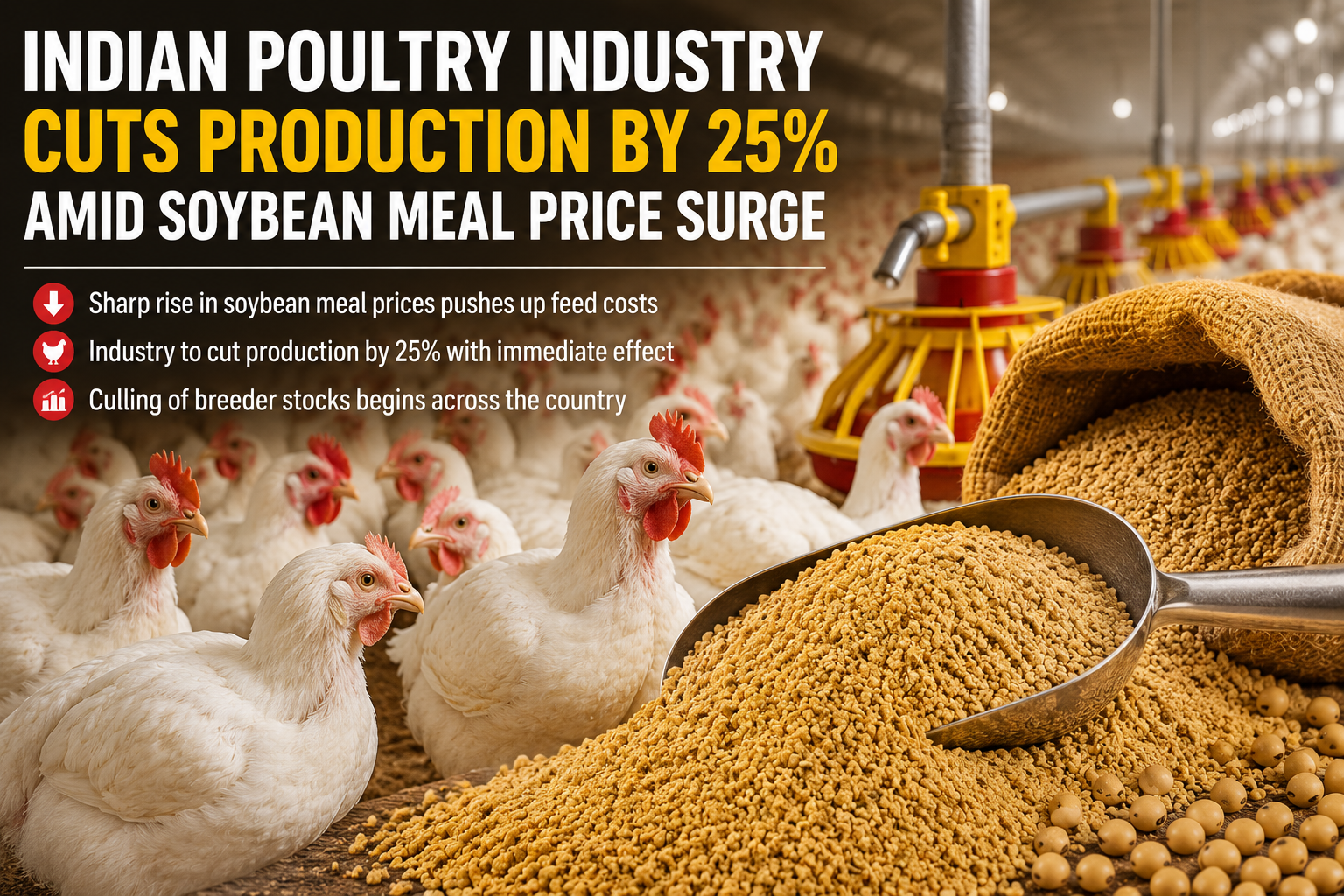
As part of the measure, culling of parent breeder stocks has commenced across the country. Breeder birds that were previously sold for around USD 1.47 per bird are reportedly being sold at nearly USD 0.68 per bird as producers move to reduce future chick placements and liquidate excess stock.
The industry has also raised concerns over soybean market dynamics, arguing that domestic production remains sufficient to meet national requirements. Representatives alleged that speculative trading and hoarding have contributed to the recent increase in prices and said the issue would be raised with the Central Government.

Poultry organizations have renewed their demand for permitting imports of genetically modified (GM) soybean meal, which they believe could help stabilize feed prices and provide relief to poultry farmers facing escalating production costs.
The developments highlight the growing pressure that feed-price volatility is placing on India’s poultry sector, where feed accounts for the largest share of production expenses.



Subscribe now to the technical magazine of animal nutrition
AUTHORS
From 2025 Data to 2026 Decisions: Managing Mycotoxin Risk in a Changing Climate
Trenton Corby
Alterion® NE Celebrates 10 Years of Poultry Gut Health Innovation
The Science Behind Kolin Plus: Beyond Choline Replacement
Summer Infertility in Sows: Managing Heat Stress and Reproductive Performance
AO-Biotics® Amaferm®: Supporting Livestock Digestion and Performance

Interview with Güner Gövenç
nutriNews International Technical Team
Net Energy and Precision Feeding Shape the Future of Poultry Nutrition
Edgar Oviedo
Mycotoxins in Swine: Health Risks and Nutritional Solutions
Giuseppe Carcò
Mycotoxins and Piglet Ear Necrosis: Cause, Cofactor or Coincidence?
Alberto Morillo
How Mycotoxins Affect Intestinal Health in Pigs and Poultry
Marcos Rostagno
From Antibiotics to Functional Feeds in Aquaculture
Babatunde Saliu
Peas as an Alternative to Soybean Meal in Beef Cattle Finishing Diets
Sandra Costa-Roura
Improving Egg Yolk Pigmentation Through Better Nutrient Transport

Aquaculture and Aquaponics Nutrition: How Fish Shape the Growth of Greens
Trenton Corby
Consistency in Soybean Meal Drives Performance and Sustainability