 10 Jun 2026
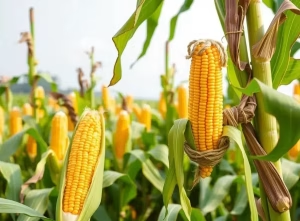
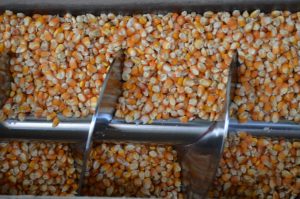
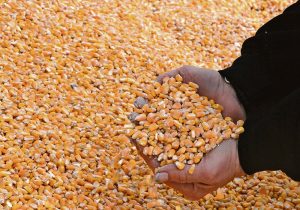
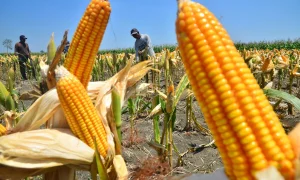
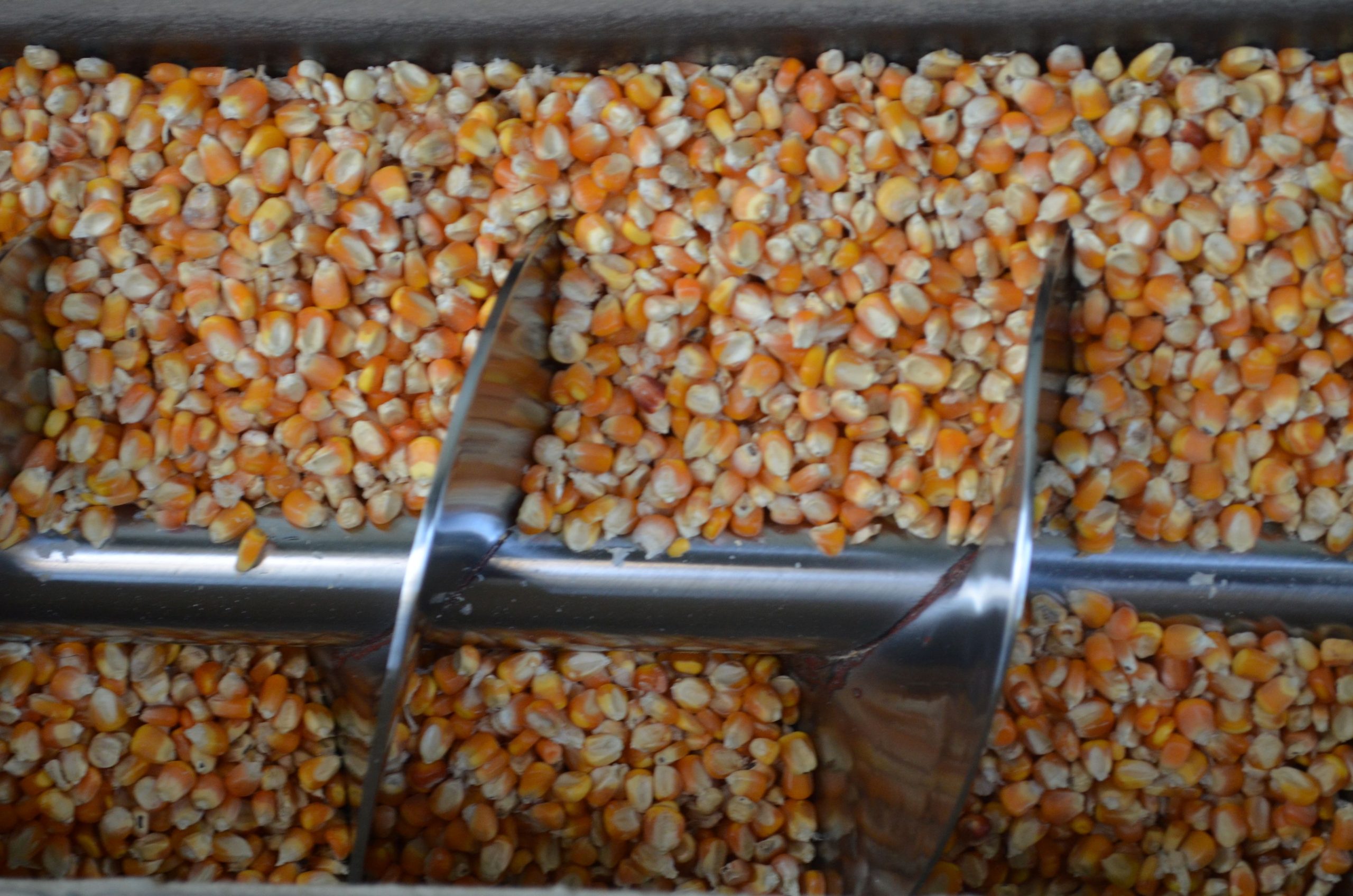
The Philippine Council for Agriculture and Fisheries (PCAF) is weighing a proposal to allow corn as feedstock for bioethanol, a move seen to lower fuel prices and provide farmers with an alternative income source during lean seasons.
The proposal is subject to approval by the National Biofuels Board, a government body responsible for monitoring the implementation of the country’s biofuel program.
Food-versus-fuel debate
The PCAF told Inquirer that the National Sectoral Committees on Corn and on Livestock and Poultry had recently met to discuss amendments to a joint order allowing corn as one of the approved feedstocks for bioethanol production.
Agriculture Assistant Secretary U-Nichols Manalo said, “We all know we are facing a fuel crisis, which is why we are again discussing the biofuel program. We are holding this consultation to gather your inputs and address your anxieties because, then again, the elephant in the room is the food-versus-fuel debate.”
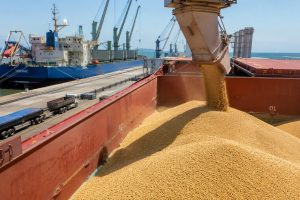
A study from the University of the Philippines Los Baños proposed the use of excess yellow corn in ethanol production, particularly during the wet season, when drying facilities are limited and farm-gate prices decrease.
The Department of Energy noted that raising blend levels, such as E20 (20% bioethanol and 80% gasoline), could reduce pump prices by about USD 0.081/liter compared with the current E10 blend.


Caution from livestock industry groups
However, some industry groups, including the United Broiler Raisers Association, cautioned that diverting local corn to fuel production could force meat producers to depend more on imported feed ingredients.
The groups also said the swine industry is still recovering from African swine fever (ASF). The Philippines recorded its first ASF outbreak in 2019.
Representatives from the livestock and poultry sectors said domestic output meets only 62.7% of its yellow corn requirements, with the crop comprising roughly half of animal feed formulations.
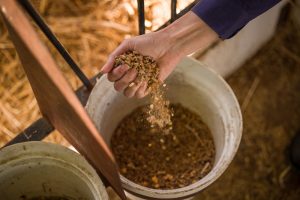
The Philippine Association of Feed Millers Inc expressed its openness to incorporating distillers dried grains with solubles (DDGS), a nutrient-dense byproduct of corn ethanol production, into animal feed mixes to help offset supply pressures.
Livestock groups claimed that DDGS would not fully compensate for a reduction in the direct corn supply.





Subscribe now to the technical magazine of animal nutrition
AUTHORS
Consistency in Soybean Meal Drives Performance and Sustainability
Anna Cotcho
Kolin Plus FC: greener choline nutrition for poultry

Middle East conflicts disrupt global feed markets
Edgar Oviedo
Optimizing nutrition for dairy goat and sheep productivity in Cyprus
Carolina Kyriacou
pHix-up improves rumen stability in dairy cows
Subacute ruminal acidosis
Net energy and growth: keys to better prediction in swine production
Gabriela Martínez
How starch structure & protein reduction shape gut health in weaned pigs
Diana Luise
Astaxanthin supplementation in aquaculture
Babatunde Saliu
What is intestinal health?
Marcos Rostagno
Calcium, phosphorus, and phytase optimization in broiler diets
Anna Cotcho