 15 May 2026
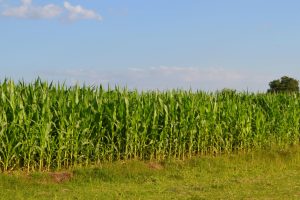
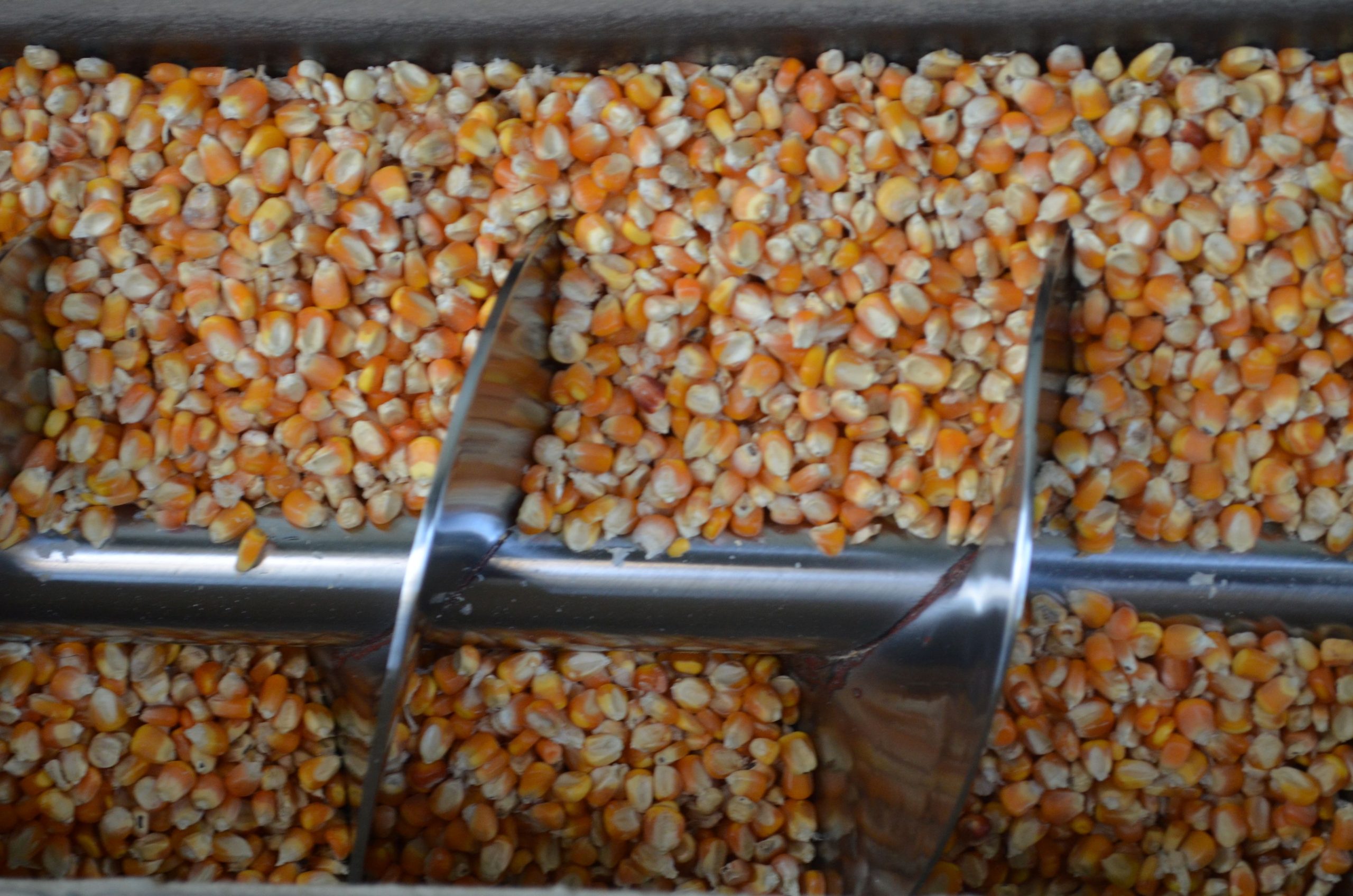
Thailand’s Chamber of Commerce has reassured farmers that planned imports of one million tons of US corn will stabilize feed costs without undermining local production. The Nation Thailand reported that the measure aims to balance supply chains and strengthen food security.
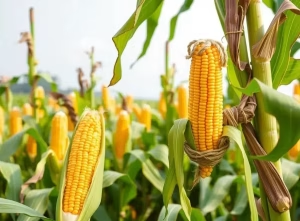
Thailand consumes 8.5–9 million tons of animal-feed corn annually but produces only 4.8–5 million tons domestically. This leaves a shortfall of 3–4 million tons each year. The Chamber emphasized that the planned import of one million tons from the US is part of existing needs, not a replacement for Thai farmers’ output.
Imports will occur between February 1 and June 30, ahead of the local harvest, to avoid direct competition. Farmer-protection rules remain in place, requiring importers to buy three parts local corn for every one part imported corn.
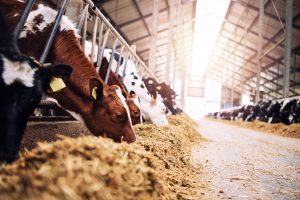
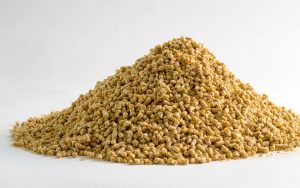
Feed costs are a major expense for chicken, pork, eggs, milk, seafood, and pet food. Research from Kasikorn Research Center suggests US corn imports could reduce feed costs by 8%, easing consumer prices and supporting long-term competitiveness.

Thailand is a leading exporter of chicken, shrimp, seafood, processed food, and pet food, industries that depend on reliable feed supplies and compliance with international standards. Stable raw material prices are critical to maintaining competitiveness in global markets.
Thailand already imports 1–2 million tons of corn annually from Myanmar, Laos, and Cambodia under the AFTA framework. The Chamber noted that diversifying sources toward countries with stronger environmental and traceability standards, such as the US, could reduce risks linked to agricultural burning and PM2.5 pollution.
Officials described the policy as part of broader trade negotiations aimed at balancing economic relations and reducing tariff pressures. The government pledged to continue supporting farmers while ensuring food-price stability.

The Chamber of Commerce and Board of Trade of Thailand will co-host the Thailand-US Trade & Investment Forum 2026 with the US Chamber of Commerce and AMCHAM Thailand on August 17, 2026. The forum will focus on expanding cooperation in trade, investment, technology, and future industries.


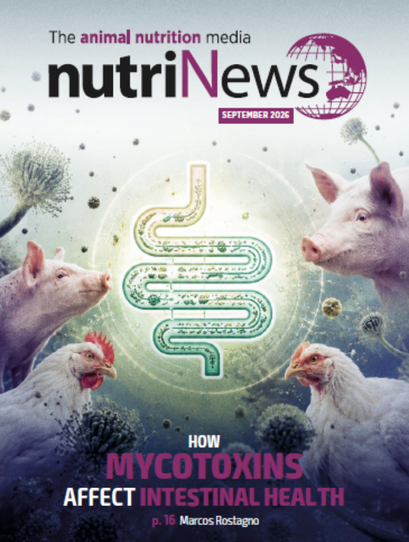
Subscribe now to the technical magazine of animal nutrition
AUTHORS
From 2025 Data to 2026 Decisions: Managing Mycotoxin Risk in a Changing Climate
Alterion® NE Celebrates 10 Years of Poultry Gut Health Innovation
The Science Behind Kolin Plus: Beyond Choline Replacement
Summer Infertility in Sows: Managing Heat Stress and Reproductive Performance
AO-Biotics® Amaferm®: Supporting Livestock Digestion and Performance

Interview with Güner Gövenç
Güner Gövenç,
Net Energy and Precision Feeding Shape the Future of Poultry Nutrition
Edgar Oviedo
Mycotoxins in Swine: Health Risks and Nutritional Solutions
Giuseppe Carcò
Mycotoxins and Piglet Ear Necrosis: Cause, Cofactor or Coincidence?
Alberto Morillo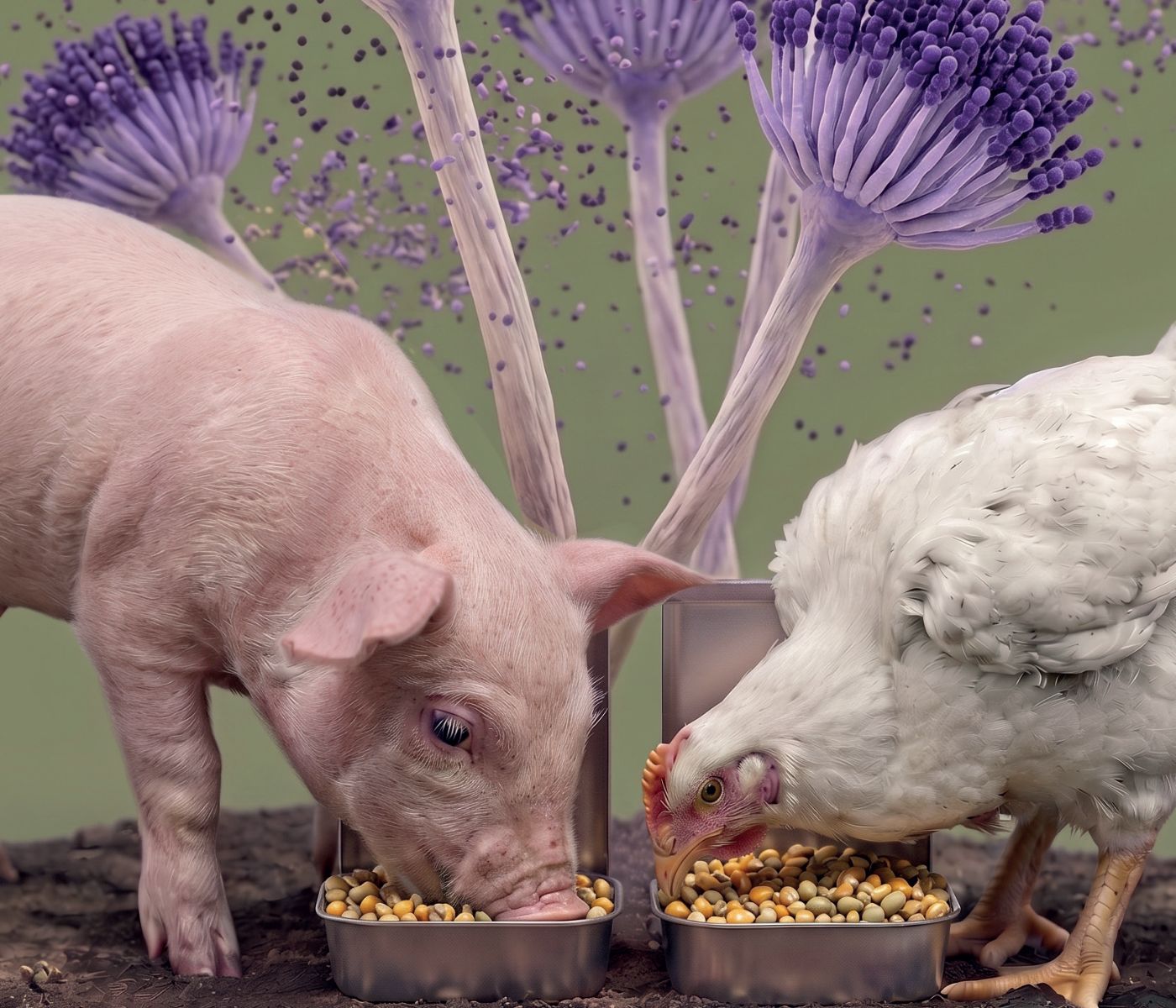
How Mycotoxins Affect Intestinal Health in Pigs and Poultry
Marcos Rostagno
From Antibiotics to Functional Feeds in Aquaculture
Babatunde Saliu
Peas as an Alternative to Soybean Meal in Beef Cattle Finishing Diets
Daniel Villalba Mata,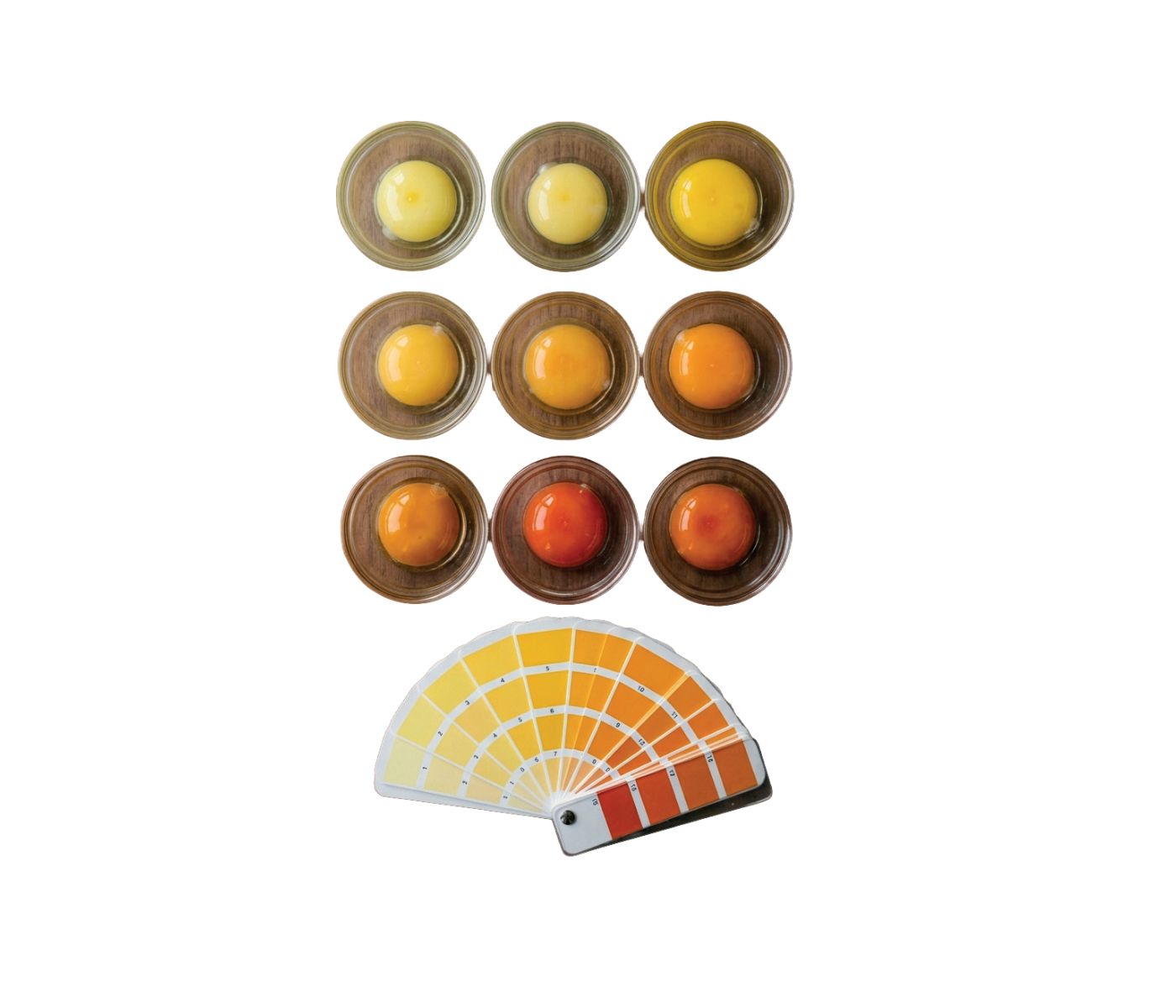
Improving Egg Yolk Pigmentation Through Better Nutrient Transport

Aquaculture and Aquaponics Nutrition: How Fish Shape the Growth of Greens
Trenton Corby
Consistency in Soybean Meal Drives Performance and Sustainability