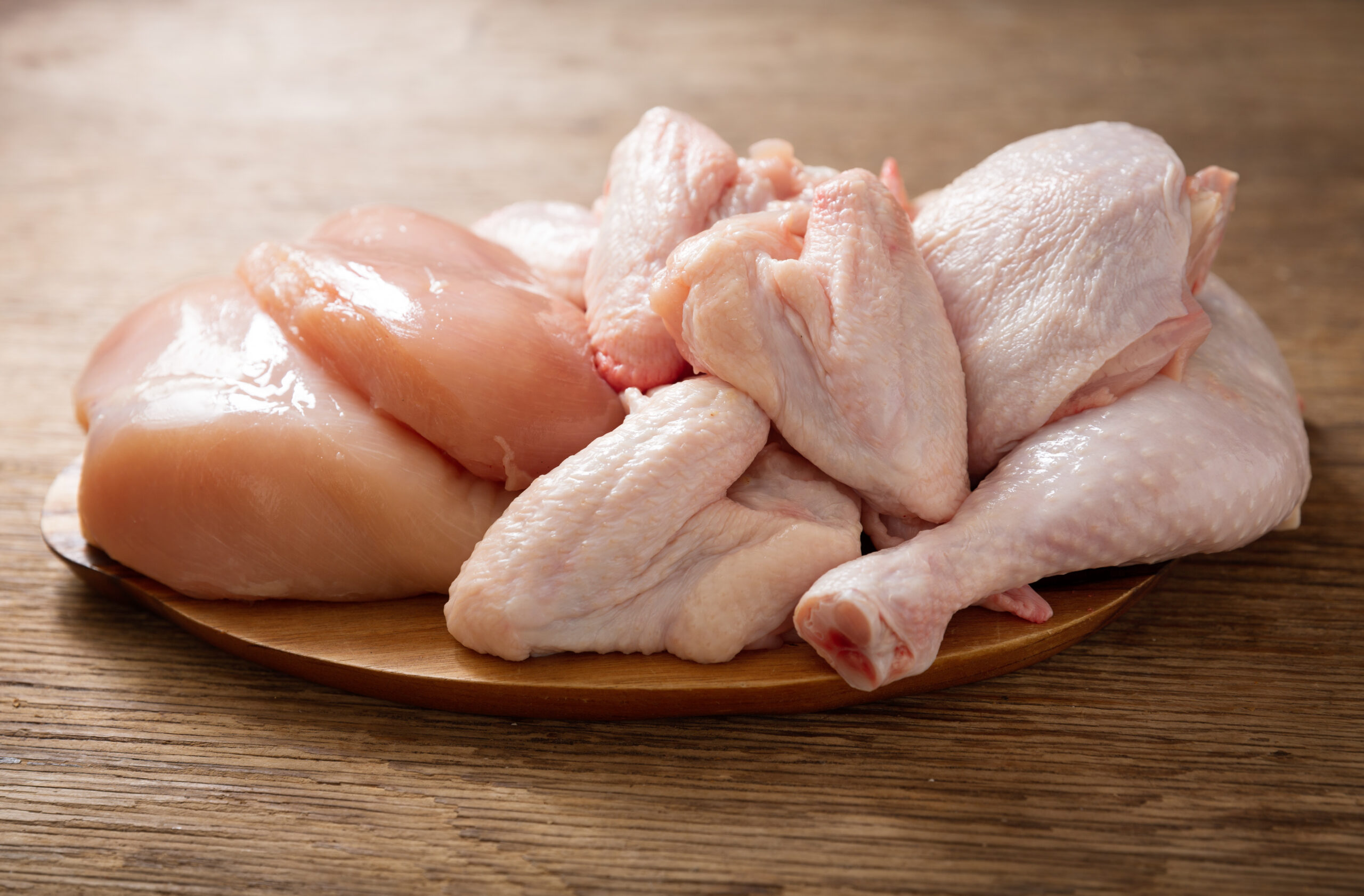
Carcass quality is a key measure of poultry production. It influences yield, consumer preference, and profitability across markets.
Heat stress often undermines these traits, reducing breast muscle yield and increasing abdominal fat. Producers in tropical climates face these challenges regularly, making solutions that protect carcass quality essential.
A team from Thailand’s Surindra Rajabhat University and Khon Kaen University examined shallot powder as a feed additive for broilers. They divided 120 Arbor Acre chicks into six groups with diets containing either 2 g/kg or 4 g/kg of shallot powder, under normal or heat stress conditions.
Carcass quality was assessed at day 42, alongside oxidative stress markers. Heat stress was induced at 33℃ ± 2℃ for eight hours daily during the final two weeks of the trial.

Broilers fed 4 g/kg shallot powder achieved the highest hot carcass weights. Under normal conditions, they averaged 2.072 kg, while under heat stress they reached 2.034 kg.
These values were significantly higher than the heat-stressed control group, which averaged only 1.719 kg. Breast, drumstick, thigh, and wing weights were all elevated in supplemented groups compared with controls.
Excess abdominal fat lowers meat value and consumer preference. Shallot-fed broilers showed marked reductions in fat content.


The lowest levels were observed in the 4 g/kg group, which averaged just 3.12%. Even under heat stress, shallot supplementation reduced fat to 3.53%, compared with 5.00% in the heat-stressed control group.
Relative carcass percentages confirmed these improvements. Breast, drumstick, thigh, and wing proportions remained stable across treatments.
Abdominal fat percentages dropped significantly in all shallot-fed groups. This indicates that shallot supplementation enhanced carcass yield without distorting cut proportions, ensuring balanced carcass profiles suitable for market demand.
Oxidative stress findings provided important context. Heat-stressed broilers without supplementation showed the highest malondialdehyde levels, indicating lipid peroxidation and cellular damage.
Shallot-fed groups, particularly at 4 g/kg, consistently displayed lower oxidative stress markers. This antioxidant effect likely contributed to improved carcass outcomes by supporting overall health and growth.
The study demonstrates that shallot powder supplementation can enhance carcass quality while reducing fat deposition, even under heat stress.
For producers in tropical climates, this natural feed additive offers a practical strategy to protect meat yield and value. The dose-dependent benefits suggest that 4 g/kg supplementation provides the most reliable improvements.

Subscribe now to the technical magazine of animal nutrition
AUTHORS
Rumen microorganisms and metabolizable amino acid balance
Fernando Bacha Baz
Broiler nutrition during the first feeding phase

Genetic improvement in corn strengthens its strategic role in animal nutrition
Insect biorefineries and the future of sustainable animal nutrition
Ari Riihimaa
LivoLiv supplementation improves liver health and broiler performance
Mycotoxin binders explained: why one size never fits all
Rui A. Gonçalves
Active Feeding strategy for PRRS-positive weaned piglets
Alberto Morillo Alujas
Sow colostrum and its strategic impact on piglet survival and growth
Marianna Altieri
Bacillus probiotics help support intestinal health in cats
Lorenna Nicole Araújo Santos