 26 Oct 2022
Soy processing is useful and necessary for:
 destroy or remove undesirable components,
make nutrients more available,
Improve palatability.

Moist heat treatment is particularly effective in reducing trypsin inhibitor activity.
With current manufacturing processes, the residual trypsin inhibitory activity in soybean protein products is approximately 5 to 20% of the original inhibitory activity found in raw soybeans.
The amount of heat required to destroy trypsin inhibitors and other hemagglutinins found in raw soybeans depends on the time of exposure. Therefore, high temperatures in shorter exposure periods are just as effective as lower temperatures for longer periods.


Whole soybeans can replace soybean meal in pig and poultry diets with similar yields.
The decision on which soy product to use should be based on the composition, availability, and costs of the product.
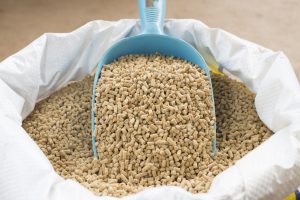
 Soybean meal
Soybean meal is the most common source of protein in poultry and pig feeds (Table 1). This popularity stems from its nutrient content and relative absence of anti-nutritional factors.
Table 1. Global consumption of meal or flour as a source of protein for domestic animals.
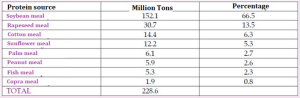 Modified from Dourado et.al 2011 Modified from Dourado et.al 2011 |
The quality of soybean meal is the result of many factors, including the variety, origin, and storage of the beans.
The multiple processing steps that are carried out from the moment the bean is received, affect the quality of the end products like: flour and oil.
The heat treatment of flour is essential to optimize its protein quality. Variables such as: humidity, temperature and time are interrelated and are essential for achieving adequate cooking conditions.

Many in vitro tests designed to measure protein quality in soy have been proposed and evaluated. Simple crude protein or amino acid assays provide information about the protein, but do not provide useful information about the quality of the protein.
That is why analyses of trypsin inhibitors, urease activity, protein solubility in potassium hydroxide, protein solubility in water and dye binding methods have been used to assess protein quality.


Subscribe now to the technical magazine of animal nutrition
AUTHORS
From 2025 Data to 2026 Decisions: Managing Mycotoxin Risk in a Changing Climate
Alterion® NE Celebrates 10 Years of Poultry Gut Health Innovation
The Science Behind Kolin Plus: Beyond Choline Replacement
Summer Infertility in Sows: Managing Heat Stress and Reproductive Performance
AO-Biotics® Amaferm®: Supporting Livestock Digestion and Performance

Interview with Güner Gövenç
Güner Gövenç,
Net Energy and Precision Feeding Shape the Future of Poultry Nutrition
Edgar Oviedo
Mycotoxins in Swine: Health Risks and Nutritional Solutions
Giuseppe Carcò
Mycotoxins and Piglet Ear Necrosis: Cause, Cofactor or Coincidence?
Alberto Morillo
How Mycotoxins Affect Intestinal Health in Pigs and Poultry
Marcos Rostagno
From Antibiotics to Functional Feeds in Aquaculture
Babatunde Saliu
Peas as an Alternative to Soybean Meal in Beef Cattle Finishing Diets
Daniel Villalba Mata,
Improving Egg Yolk Pigmentation Through Better Nutrient Transport

Aquaculture and Aquaponics Nutrition: How Fish Shape the Growth of Greens
Trenton Corby
Consistency in Soybean Meal Drives Performance and Sustainability