 01 Jul 2026
Vietnam is tightening oversight of its livestock sector with tougher rules designed to improve safety, sustainability, and transparency. The government issued Decree No. 211/2026/ND-CP on June 16, introducing stricter fines, sanctions, and corrective measures.
Replacing previous regulations, the decree strengthens enforcement measures and introduces stricter corrective actions aimed at promoting a safer, more sustainable livestock industry.
The decree sets different maximum penalties for individuals and organizations:
Beyond monetary fines, violators risk suspension of licenses, temporary closure of operations, and confiscation of assets or evidence.

Significant penalties apply to raising livestock in prohibited areas or submitting false information in mandatory declarations. Sanctions vary by production scale.
Commercial farms failing to comply with separation distance requirements must reduce production or adopt measures to mitigate noise and environmental impacts.
The decree introduces tighter controls on feed production and breeding stock.

Violations involving genetic resources are also penalized. Unauthorized exchange or export of prohibited breeds may result in fines of USD 1538–1923.
Authorities may also confiscate all related materials or require offenders to repay their equivalent value if the items have already been disposed of.
The use of prohibited chemicals, biological products, or microorganisms in feed carries the heaviest sanctions.
Livestock raised with banned substances must remain on farms until laboratory testing confirms no residues remain before the animals can be sold or sent for slaughter.
Production, trading or import of feed containing banned substances
Additional sanctions include suspension of operations for 3-6 months and mandatory destruction of all non-compliant products.
Misuse of antibiotics
The use of antibiotics for disease prevention or as growth promoters is subject to fines of USD 577-769.
Decree No. 211/2026/ND-CP is expected to reinforce Vietnam’s regulatory framework by enhancing enforcement, improving transparency, and protecting both consumers and compliant producers.

Subscribe now to the technical magazine of animal nutrition
AUTHORS
From 2025 Data to 2026 Decisions: Managing Mycotoxin Risk in a Changing Climate
Alterion® NE Celebrates 10 Years of Poultry Gut Health Innovation
The Science Behind Kolin Plus: Beyond Choline Replacement
Summer Infertility in Sows: Managing Heat Stress and Reproductive Performance
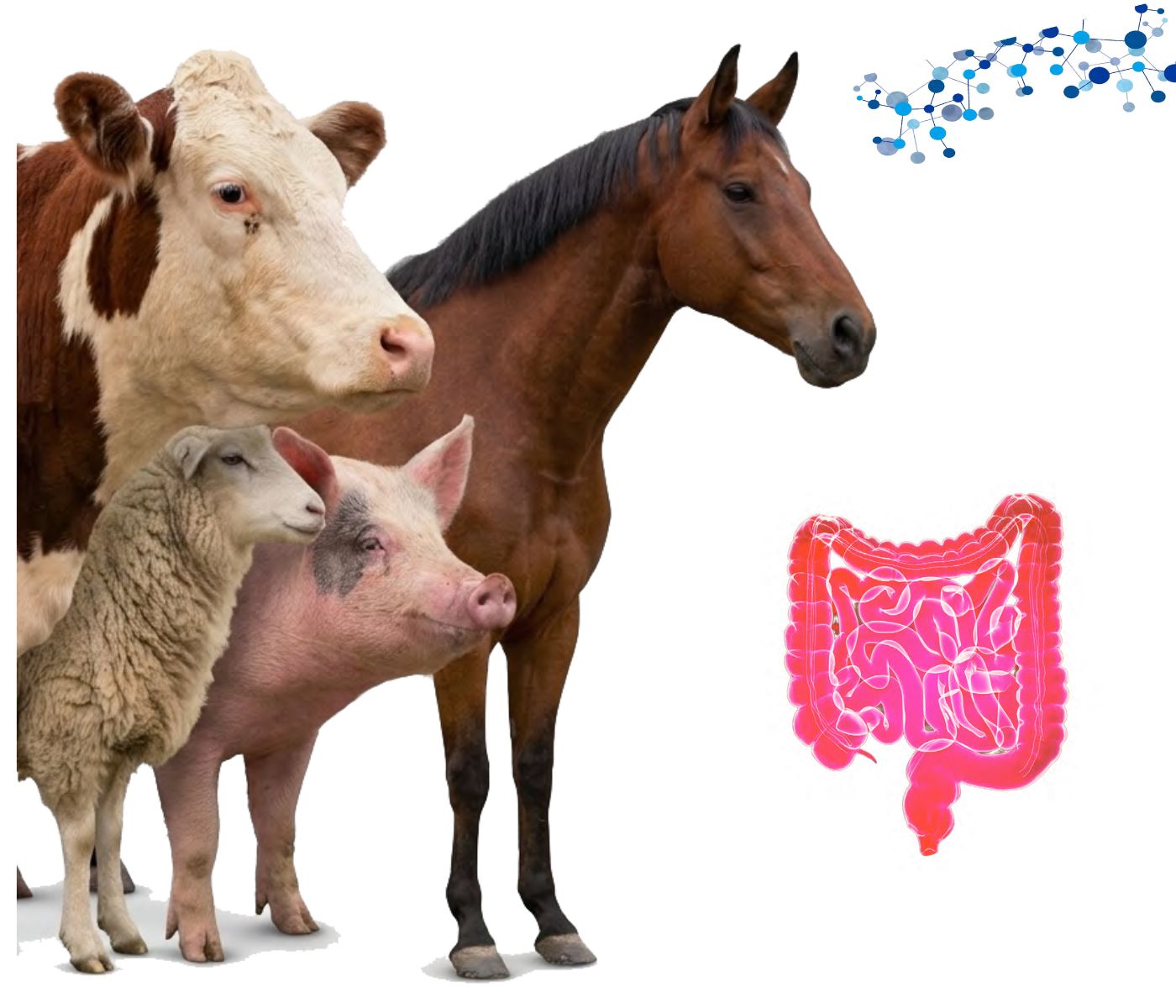
AO-Biotics® Amaferm®: Supporting Livestock Digestion and Performance

Interview with Güner Gövenç
Güner Gövenç,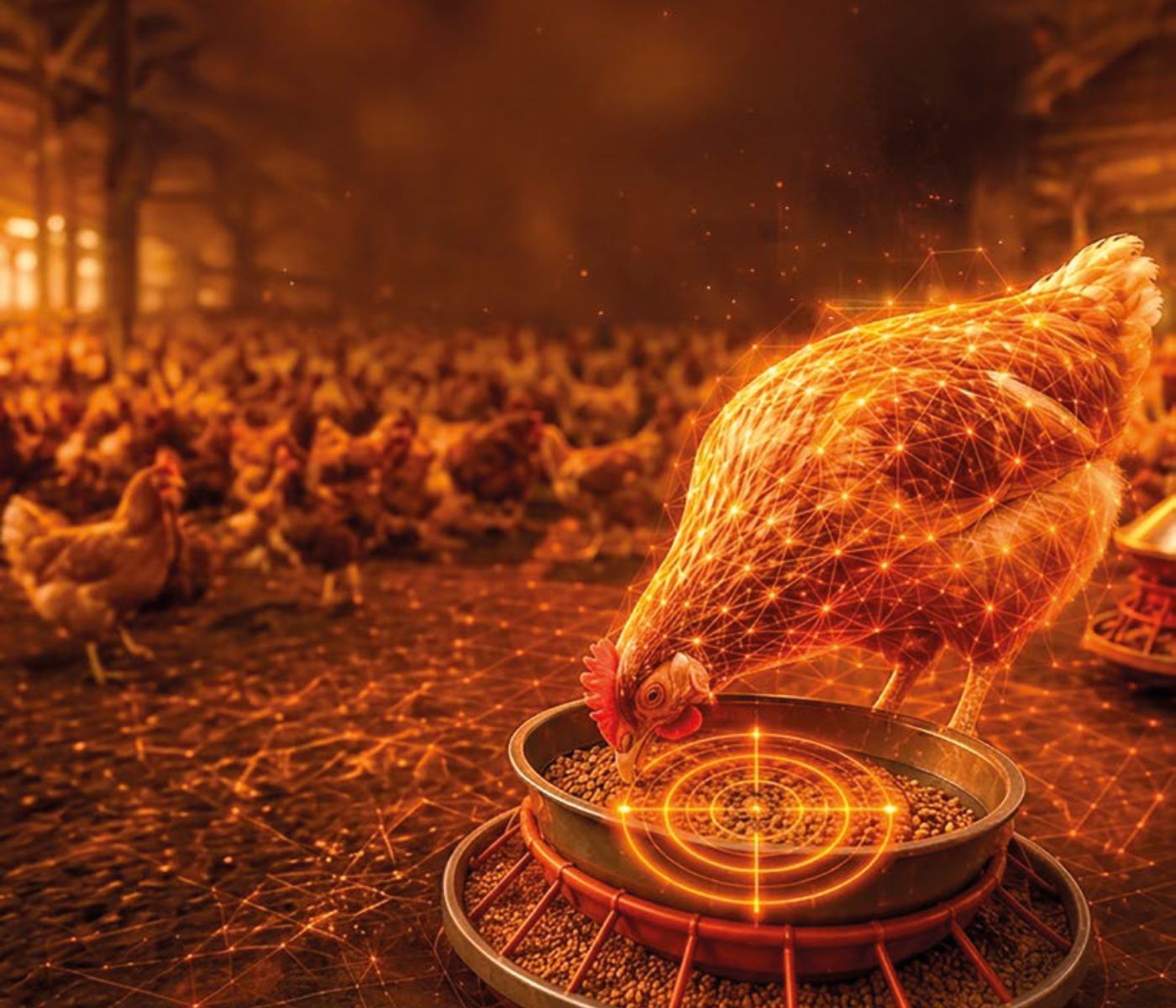
Net Energy and Precision Feeding Shape the Future of Poultry Nutrition
Edgar Oviedo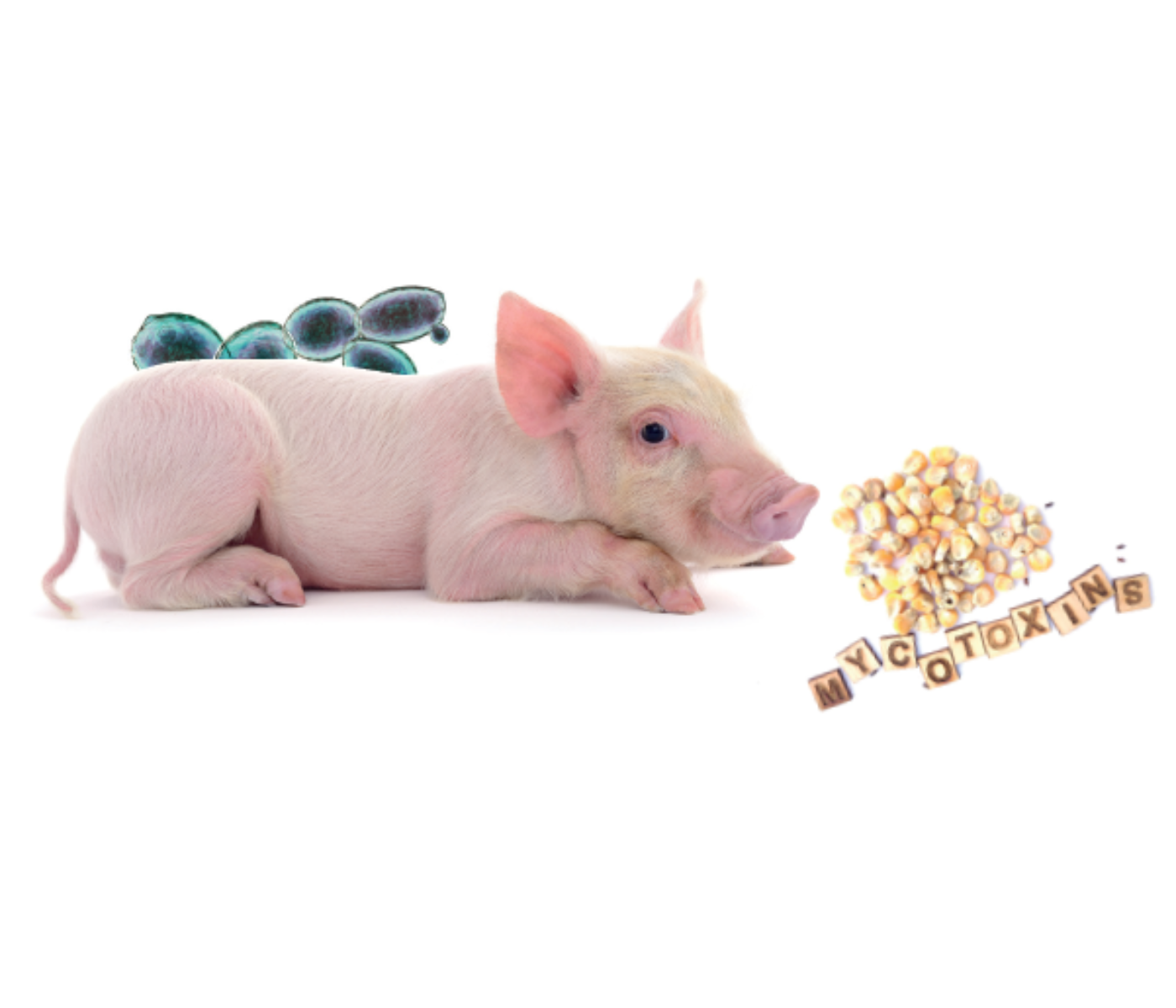
Mycotoxins in Swine: Health Risks and Nutritional Solutions
Giuseppe Carcò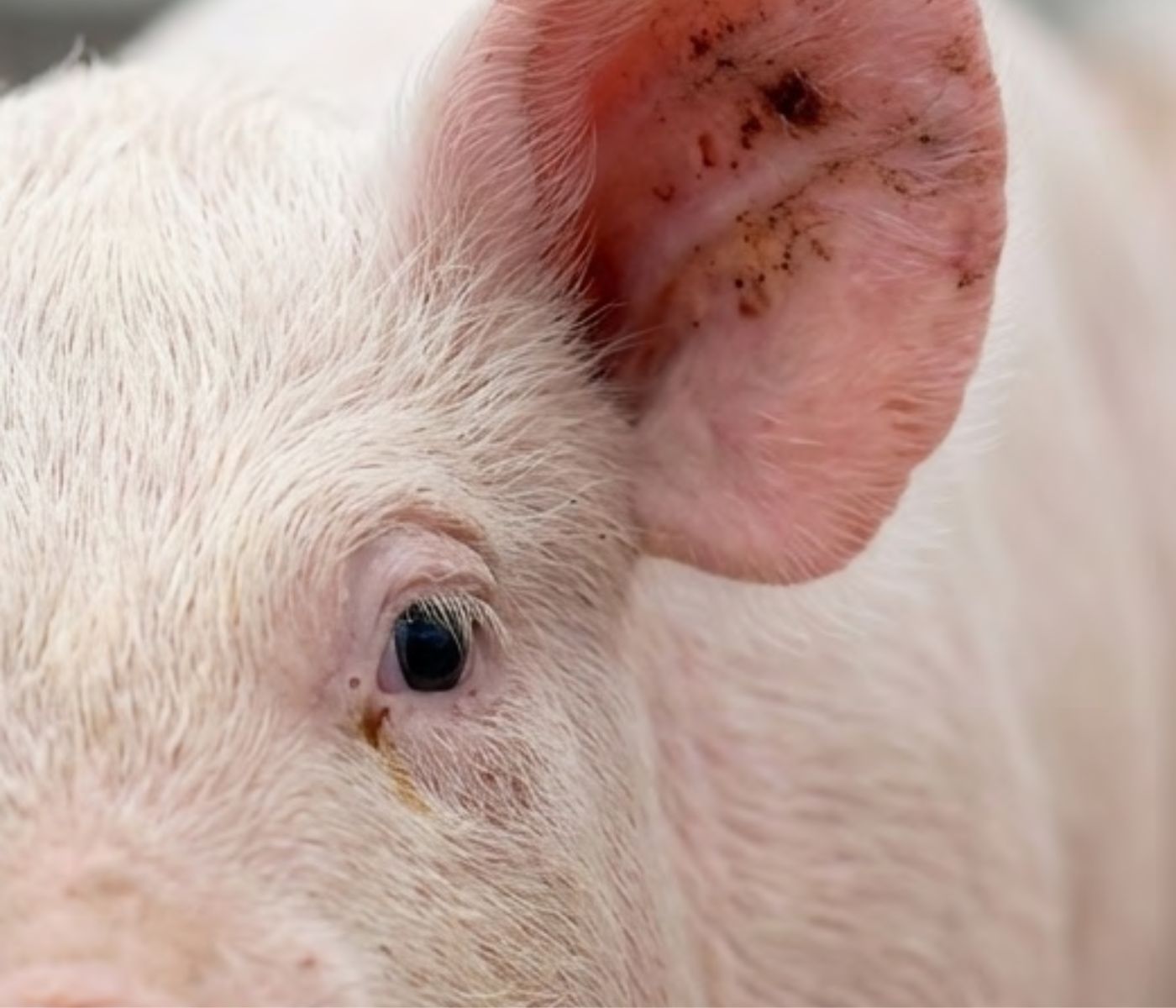
Mycotoxins and Piglet Ear Necrosis: Cause, Cofactor or Coincidence?
Alberto Morillo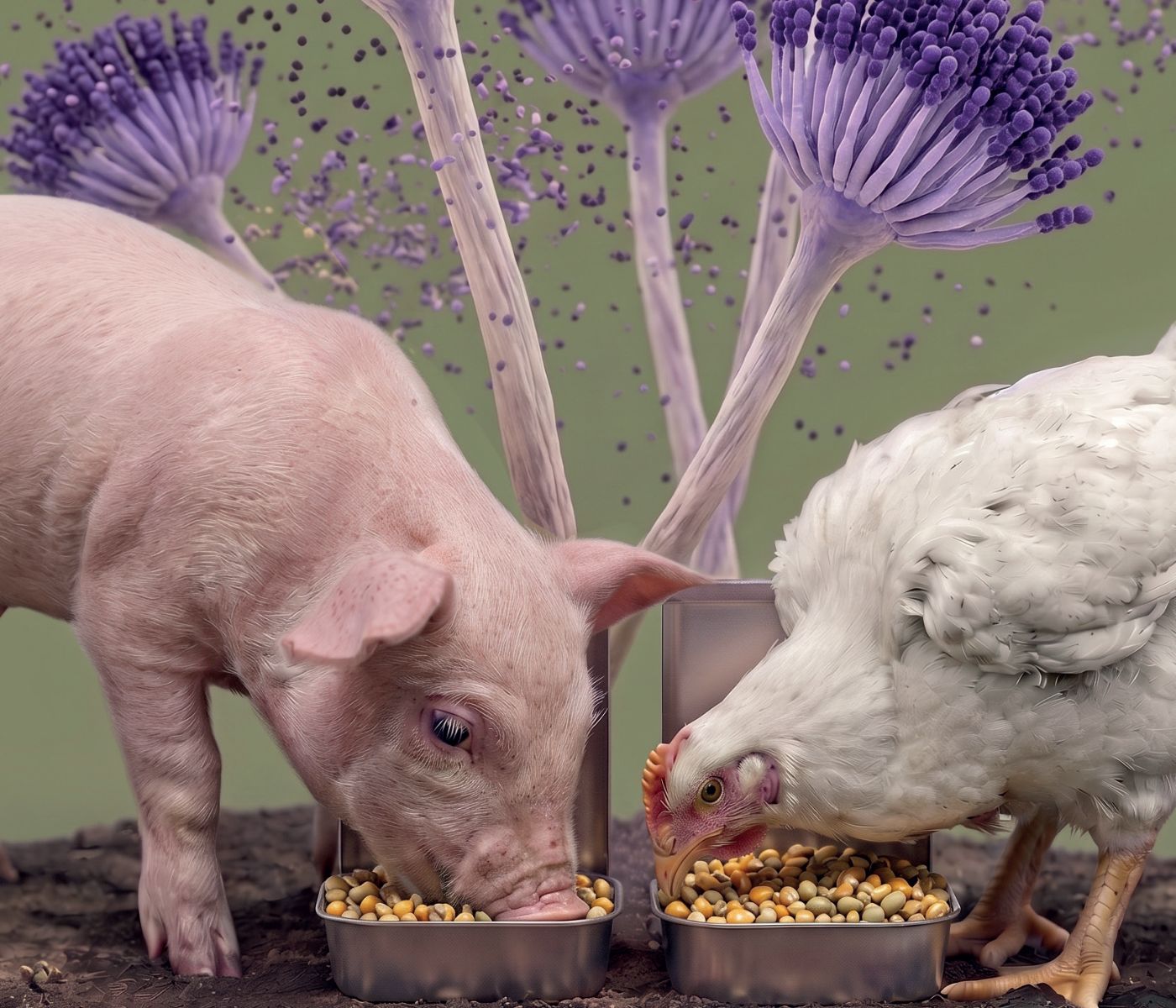
How Mycotoxins Affect Intestinal Health in Pigs and Poultry
Marcos Rostagno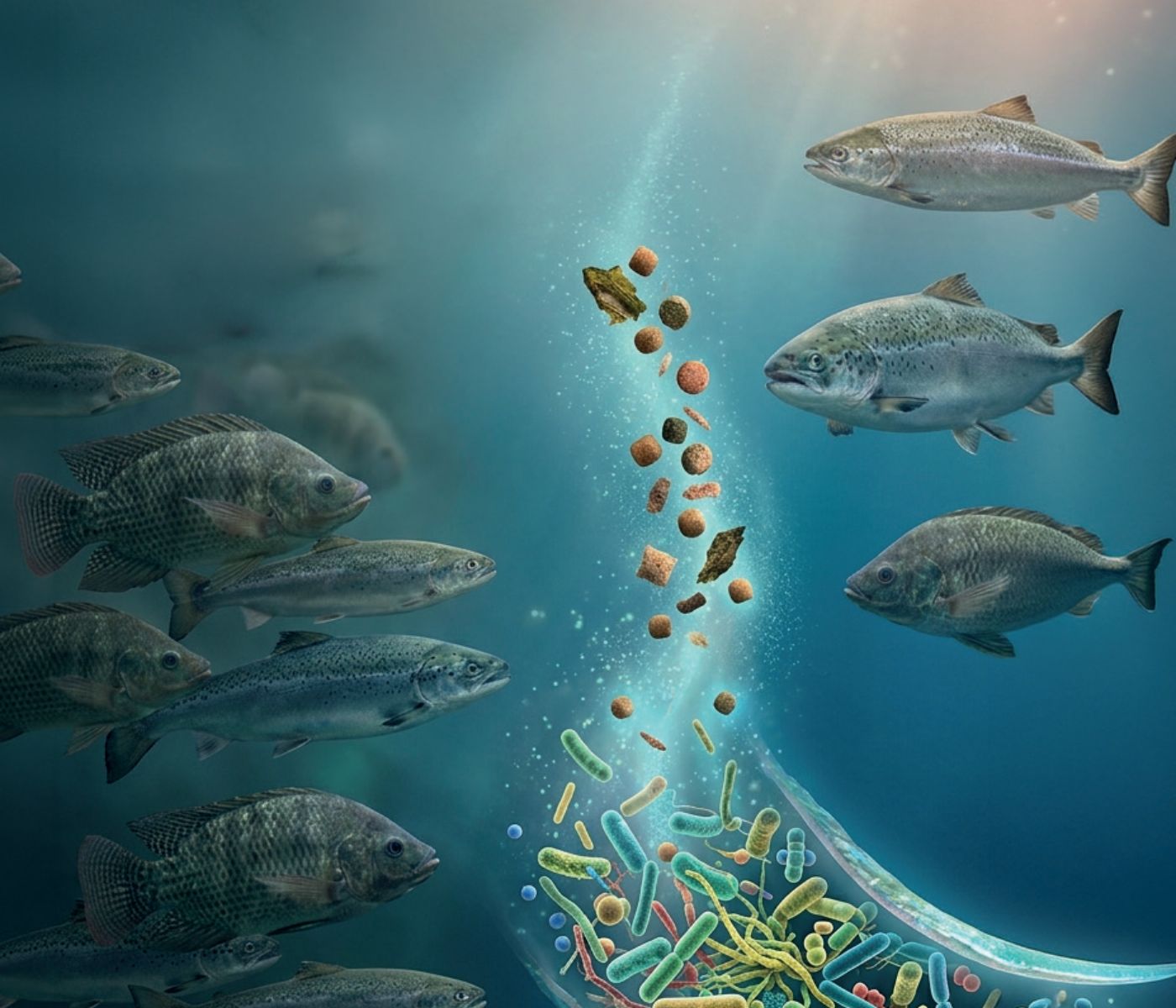
From Antibiotics to Functional Feeds in Aquaculture
Babatunde Saliu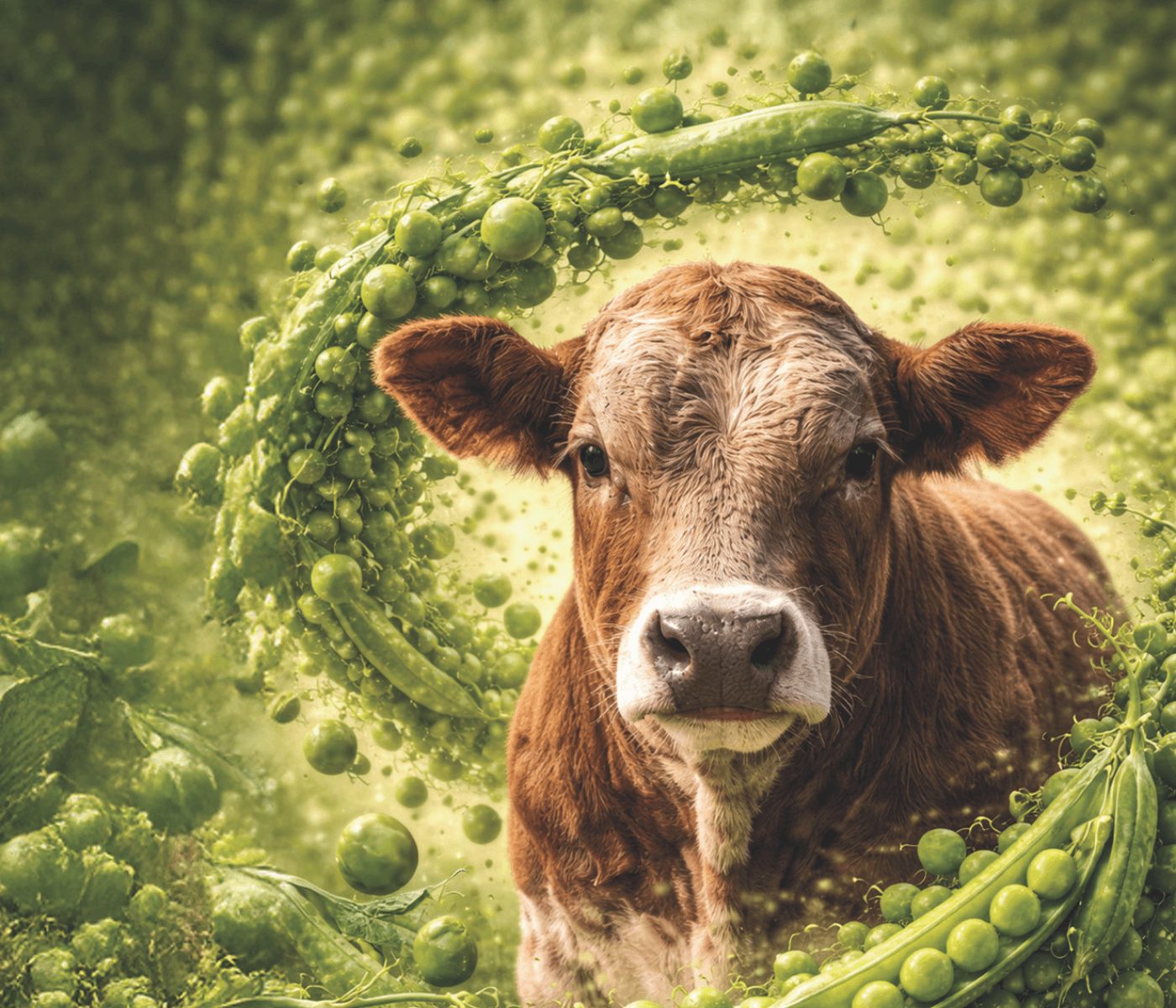
Peas as an Alternative to Soybean Meal in Beef Cattle Finishing Diets
Daniel Villalba Mata,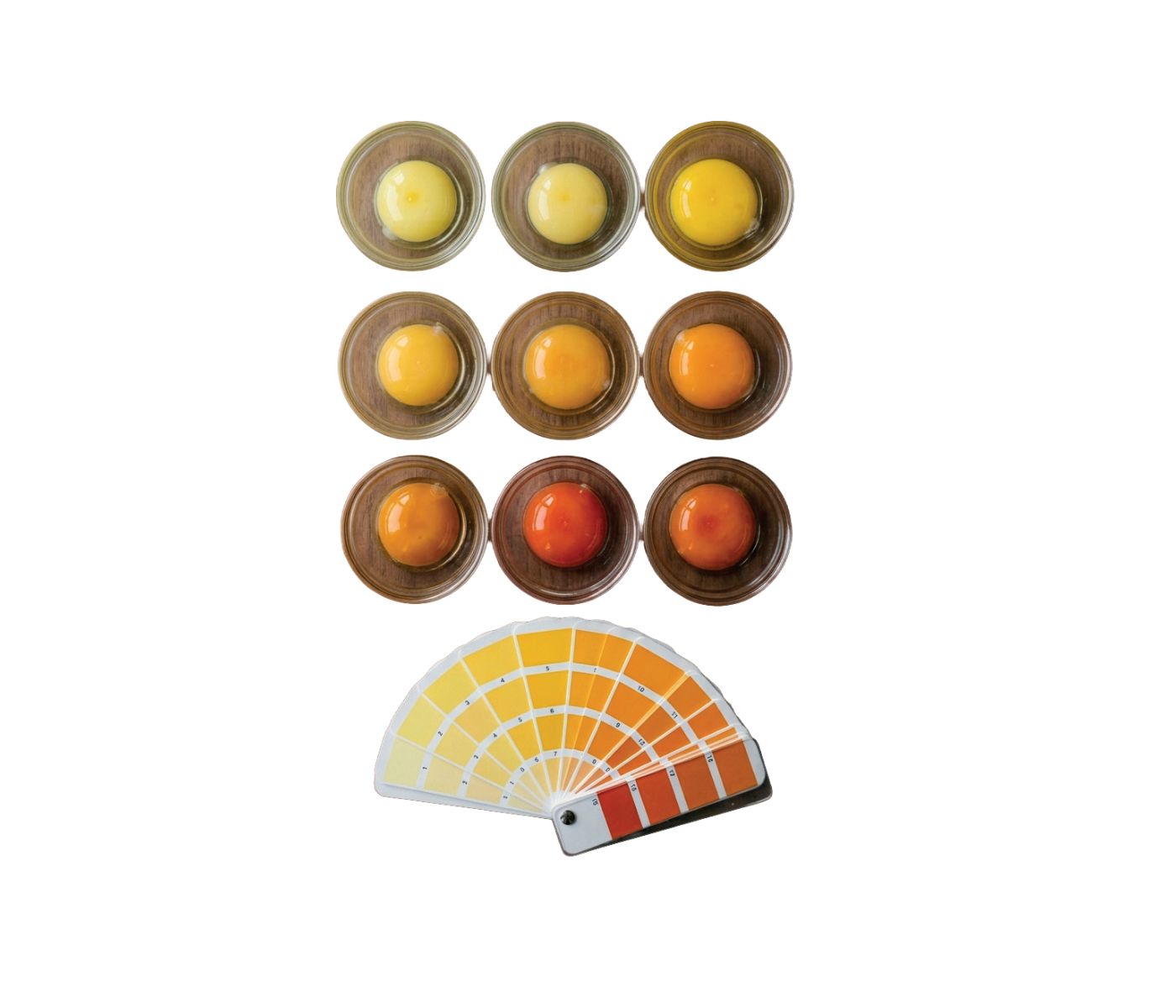
Improving Egg Yolk Pigmentation Through Better Nutrient Transport
Aquaculture and Aquaponics Nutrition: How Fish Shape the Growth of Greens
Trenton Corby
Consistency in Soybean Meal Drives Performance and Sustainability