



The pet supplement market is shifting from a niche wellness category into a core pillar of modern pet care.
 02 Jun 2026
The pet supplement category is rapidly evolving into one of the most dynamic segments of the pet care market. Driven by pet humanization, preventive health habits, premiumization, and digital retail expansion, the sector is moving far beyond niche wellness products and becoming a central part of modern pet care strategies.
According to industry experts, the U.S. pet supplement market is currently valued at roughly US$4–5 billion, depending on how broadly the category is defined, and it continues to post double-digit annual growth.
The pet supplement market is shifting from a niche wellness category into a core pillar of modern pet care.
Pet owners are no longer looking only for solutions after problems appear. They are increasingly turning to supplements as part of a broader proactive health and daily wellness routine.


The growth of pet supplements is closely tied to the continued humanization of pet care. But the trend has matured. It is no longer simply about treating pets “like people.” It is now about applying the same preventive health mindset that consumers use for themselves to the animals in their care.
As more people adopt multivitamins, probiotics, collagen, and other wellness products for personal use, they are transferring those habits into the pet space. This is shifting the category from a reactive model — buying a product only when a pet shows a visible problem — to a more preventive and maintenance-driven model.
One of the biggest structural changes in the market is the move from “fixing a problem” to “supporting health before problems emerge.”


As the market grows, the range of wellness needs addressed by pet supplements is also becoming broader and more sophisticated.
Among dog owners, some of the most established areas include hip, joint, and mobility support as well as probiotics. For cat owners, probiotics and formulas designed for indoor pets are particularly prominent.
At the same time, newer areas such as immune health, calming support, seasonal allergies, gut health, weight management, and cognitive support are gaining momentum.
This broadening of health targets suggests that the category is evolving from a small set of established claims into a more layered and differentiated wellness platform.
Weight management and cognitive health are among the most promising next-wave opportunities, especially for brands willing to support their products with stronger clinical evidence and differentiated positioning.
Digital retail now plays a defining role in how pet supplements are discovered and purchased. Around 70% of pet supplement sales now occur online, reflecting a shift that accelerated during the pandemic and has not reversed.
However, this does not mean the category is purely digital. Consumers are using a mix of channels, including Amazon, Chewy, brand websites, and retailer-owned e-commerce platforms, while many still shop in physical stores as part of a broader omnichannel journey.
For supplement brands, presence across multiple retail touchpoints is becoming increasingly important.
One of the clearest signs of category maturity is the rise of ingredient-led innovation. A number of ingredients originally associated with human wellness are gaining traction in pet products, including:
Functional mushrooms appear particularly promising, while collagen and calming-related ingredients such as L-theanine are also generating interest. At the same time, products targeted to senior and aging pets are gaining relevance, reflecting a broader life-stage segmentation trend.
In terms of delivery systems, soft chews remain the dominant format, but newer food-adjacent options such as toppers, sauces, liquids, and highly palatable powders are attracting attention because they offer convenience and stronger integration into daily feeding routines.
The next growth wave may not come only from new ingredients, but also from more intuitive, food-like, and daily-use delivery systems.
As the category grows, so does the need for clearer positioning and better consumer understanding. One example is the blurred boundary between supplements and so-called “functional treats.”
While the term may resonate strongly with consumers, it can create regulatory complications depending on how the product is classified and marketed. This makes claims substantiation, regulatory discipline, and ingredient transparency more important than ever.
As competition intensifies, trust will increasingly depend on credible claims, transparent labeling, and strong regulatory alignment.
Industry experts remain highly optimistic about the outlook for the pet supplement market. Growth is expected to continue not only at the brand level, but across the wider value chain, including manufacturers, contractors, and ingredient suppliers.
Penetration is likely to rise, but so is spending per pet and the overall number of wellness products incorporated into everyday care.
The future of pet supplements will be shaped by three forces working together: preventive health, premium ingredient innovation, and stronger omnichannel engagement.
The pet supplement market is no longer a side category. It is becoming a core pillar of pet wellness, driven by changing consumer behavior, more advanced ingredient strategies, and growing demand for proactive care.
For brands, the opportunity is substantial — but so is the need for precision in positioning, formulation, education, and regulatory compliance. Those that can align all four will be best positioned to capture the next phase of growth.

Subscribe now to the technical magazine of animal nutrition
AUTHORS
From 2025 Data to 2026 Decisions: Managing Mycotoxin Risk in a Changing Climate
Alterion® NE Celebrates 10 Years of Poultry Gut Health Innovation

The Science Behind Kolin Plus: Beyond Choline Replacement

Summer Infertility in Sows: Managing Heat Stress and Reproductive Performance
AO-Biotics® Amaferm®: Supporting Livestock Digestion and Performance

Interview with Güner Gövenç
Güner Gövenç,
Net Energy and Precision Feeding Shape the Future of Poultry Nutrition
Edgar Oviedo
Mycotoxins in Swine: Health Risks and Nutritional Solutions
Giuseppe Carcò
Mycotoxins and Piglet Ear Necrosis: Cause, Cofactor or Coincidence?
Alberto Morillo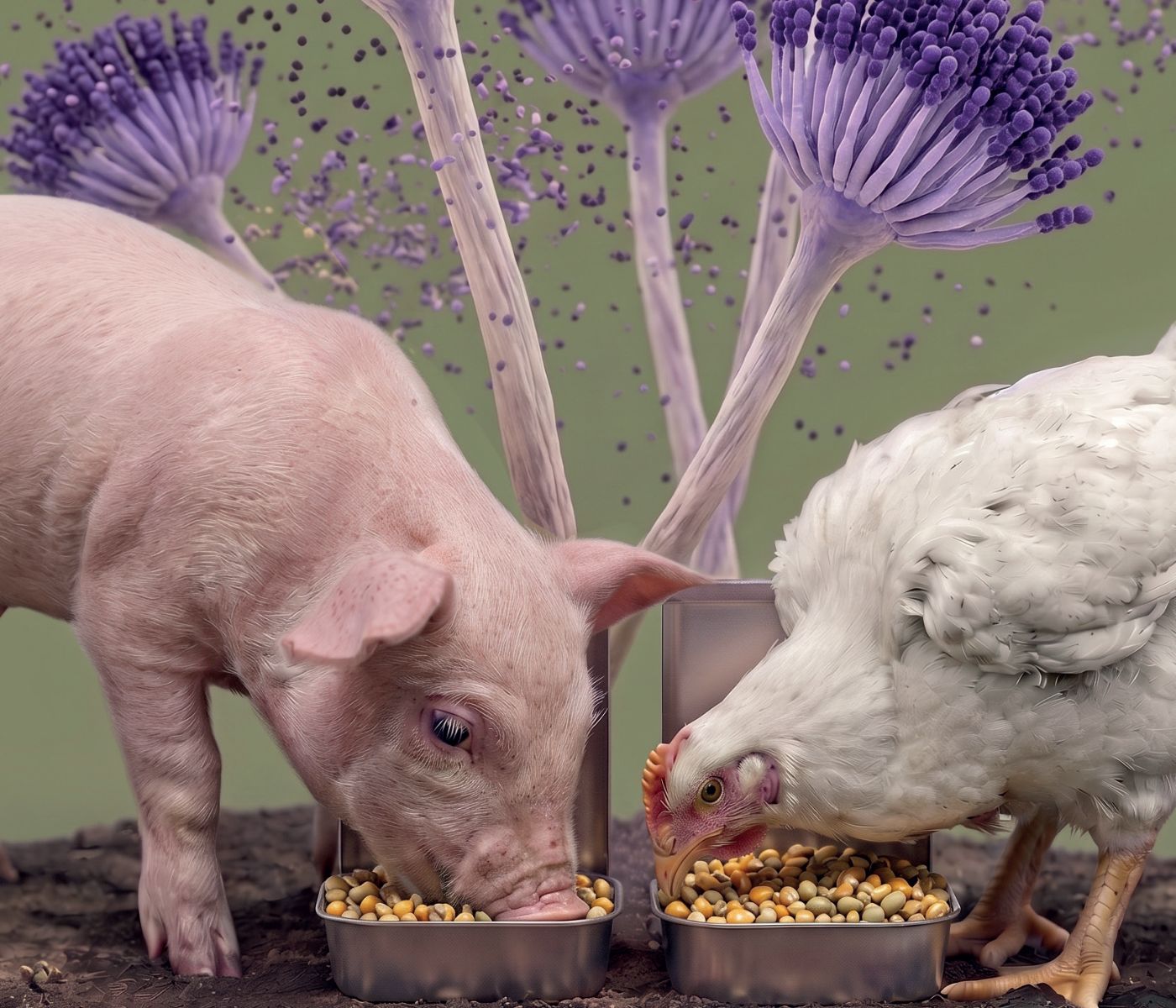
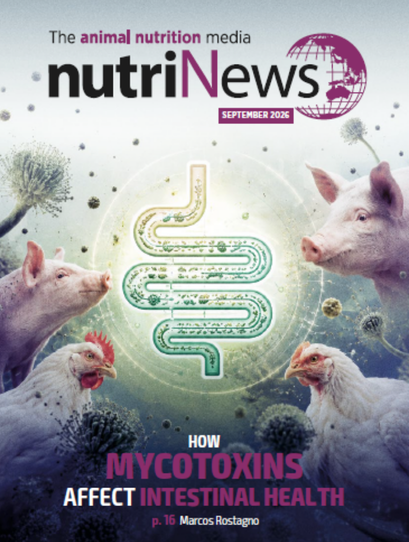
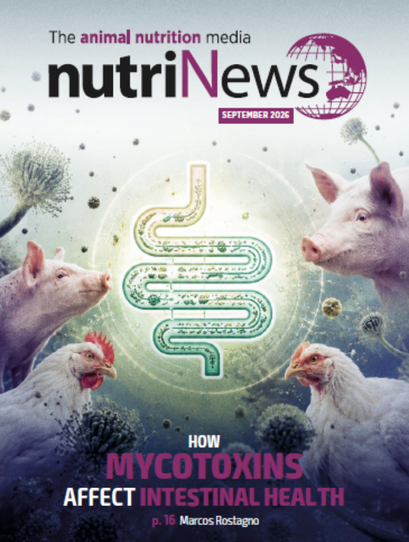
How Mycotoxins Affect Intestinal Health in Pigs and Poultry
Marcos Rostagno
From Antibiotics to Functional Feeds in Aquaculture
Babatunde Saliu
Peas as an Alternative to Soybean Meal in Beef Cattle Finishing Diets
Daniel Villalba Mata,
Improving Egg Yolk Pigmentation Through Better Nutrient Transport

Aquaculture and Aquaponics Nutrition: How Fish Shape the Growth of Greens
Trenton Corby
Consistency in Soybean Meal Drives Performance and Sustainability