



Berchielli T.T., Pires A.V., Oliveira S.G. In: Ruminant Nutrition. 2nd ed. Jaboticabal S.P., editor. FUNEP; 2011. p. 616
 07 May 2026
Poultry and livestock production are critical to global food security, nutrition, and economic development, supporting billions of people worldwide.
Industries are increasingly focused on enhancing production efficiency, improving product quality, and achieving sustainability while maximizing animal welfare to meet evolving consumer demands.
The significance of choline plays an important role in enhancing the production efficiency and profitability of the meat and egg industry.
Choline is an essential nutrient in animal nutrition due to its lipotropic effects and its involvement in key metabolic processes. It contributes to cell structure maintenance, acetylcholine formation, and lipid transport.
Its importance can be categorized into three main functions:
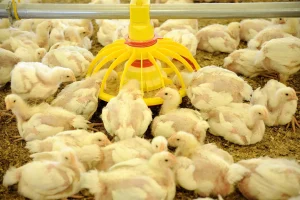
Young poultry birds lack the ability to synthesize choline, making supplementation essential for optimal feed conversion ratio (FCR) and body weight gain.
Choline also enhances muscle quality and improves yield of cut parts such as breast, thigh, and leg.
Choline also plays a critical role in layer production due to its activity in the synthesis of lecithin which forms a major component of egg yolk influencing the egg albumen and yolk index.
These animals remain in the production system for a long time and commonly experience health problems, such as fatty liver syndrome (Saeed et al., 2017; Navarro-Villa et al., 2019; Zaki et al., 2023).
Due to the participation of choline in hepatic lipid metabolism (Saeed et al., 2017; Dong et al., 2019; Olgum et al., 2022), choline supplementation can prevent this situation and maintain good productivity.
In piglets, choline enhances phospholipid synthesis, improving nutrient absorption and weaning weights by 12–15%. In antibiotic-free pork systems (e.g., UE), choline chloride supports immune function, reducing post-weaning mortality by 3–4 points.
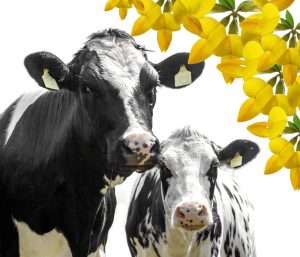
For ruminants, especially transition dairy cows, choline prevents fatty liver syndrome by aiding VLDL synthesis and triglyceride transport. It also supports ovarian function and embryonic development, potentially improving conception rates and reducing embryonic loss.
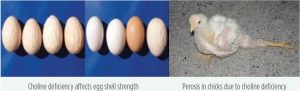
Due to its vital physiological role in livestock and poultry, choline deficiency or suboptimal levels can lead to growth reduction and perosis in young chickens, and increase the risk of fatty liver and lower productivity in swine and dairy cattle.
Conventional supplementation uses synthetic choline chloride in concentrations of 50%, 60%, and 70%. Demand is driven by biological and economic factors, with regions like Asia-Pacific, Latin America, and the Middle East/Africa (notably India and Brazil) experiencing 8–10% annual growth in adoption. (Choline Chloride report 2025).
Cholizen Premix is a standardized polyherbal formulation of key herbs leading to improved growth, performance, production, and carcass quality as well as it decreases triglycerides, total cholesterol (TC), high-density lipoprotein (HDL). (Sharma et al., 2021).
Key Constituents: Tannins, gallic acid, catechins, flavonoids.
Functional Role: Exhibits hepatoprotective and antioxidant properties. Tannins and flavonoids aid in reducing oxidative stress in liver tissues, thereby supporting lipid metabolism and bile secretion, indirectly enhancing choline utilization.
Key Constituents: Gallic acid, ellagic acid, chebulagic acid.
Functional Role: Known for its detoxifying and liver-protective effects. The polyphenolic compounds improve liver enzyme activity and support hepatic regeneration, facilitating better absorption and utilization of choline-like compounds.
Key Constituents: Thymol, terpenoids, flavonoids.
Functional Role: Enhances digestive efficiency and liver detoxification. Thymol stimulates bile flow and supports enzymatic activity in the liver, indirectly promoting choline bioavailability.
Key Constituents: Cuminaldehyde, flavonoids, essential oils.
Functional Role: Acts as a carminative and hepatoprotective agent. Its essential oils stimulate liver enzymes and improve nutrient assimilation, supporting the metabolic pathways where choline plays a key role.
Key Constituents: Phosphatidylcholine, isoflavones, saponins.
Functional Role: A natural source of phosphatidylcholine, a direct precursor of choline. Isoflavones also modulate lipid metabolism and improve liver function, making it a potent alternative to synthetic choline chloride.
Cholizen supports growth, egg production, hatchability, and liveability in poultry, while preventing fatty liver syndrome, perosis, and liver dysfunction.
Herbal compounds containing high levels of conjugated choline are emerging as alternatives to choline chloride for animal feed supplements.
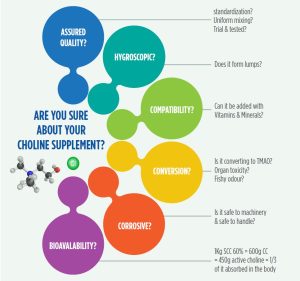
Using synthetic choline chloride as an ingredient in feed premix is challenging due to its high hygroscopicity, difficulty in achieving uniform feed mixing, chloride content, and possible interactions with vitamins that may lead to vitamin oxidation.
Moreover, as a synthetic ingredient, choline chloride is less aligned with current sustainable practices and has demonstrated lower bioavailability compared to alternative phytogenic sources.
Cholizen is rich in choline in conjugated form as phosphatidylcholine, phosphatidylinositol, and phosphatidylethanolamine, offering higher bioavailability than Synthetic choline chloride due to better gut-receptor affinity.
Consequently, choline chloride necessitates higher inclusion levels in feed formulations to meet nutritional requirements, thereby increasing logistical demands related to transportation and storage.
Synthetic choline chloride is corrosive in nature, which can damage feed mixing equipment and storage containers over time, leading to increased maintenance costs and operational risks.
In contrast, herbal choline sources like Cholizen are non-corrosive, making them safer to handle and more compatible with modern feed manufacturing systems.
TMA (Trimethylamine) residues are often listed in synthetic choline chloride certificates of analysis. Feed manufacturers generally accept levels below 300 ppm, as higher concentrations are linked to the compound’s fishy odor in egg & meat and potential toxicity.
In poultry, gut microbes can convert unabsorbed choline into TMA, which may accumulate in eggs and meat, causing fishy taint—especially in brown layers with low TMA oxidation capacity.
TMA is further oxidized in the liver to TMAO (trimethylamine-Noxide), a metabolite associated with inflammation and metabolic disorders. Studies show up to two-thirds of supplemented choline chloride may be lost as TMA before absorption, reducing efficacy and increasing toxicological risk. Cholizen, an herbal choline being in conjugated form is free of TMA residues.
In ruminants, unprotected synthetic choline is degraded by rumen microbes, making rumen protected choline (RPC) necessary to ensure
bioavailability.
Herbal choline components, however, are naturally resistant to rumen degradation or act post-ruminally, offering bioavailability
comparable to RPC and thus serving as a natural alternative with added benefits such as antioxidant and hepatoprotective effects.
Moreover, unlike rumen-protected choline chloride, Cholizen delivers phosphatidylcholine directly to cells for membrane synthesis and other functions, bypassing energy-intensive conversion steps. This makes it a faster, energy-saving, and more effective option for supporting cellular functions.
This superior efficiency and bioavailability justify why Cholizen is required in approximately one-third to one-fourth
the dosage of synthetic choline, making it a cost-effective and scientifically validated solution for animal nutrition.
While synthetic choline chloride available in market possess the challenge of inconsistency and quality assurance, Cholizen is a standardized formulation using marker compounds, ensuring:
Studies involving herbal choline supplementation like Cholizen in broilers provide compelling evidence:
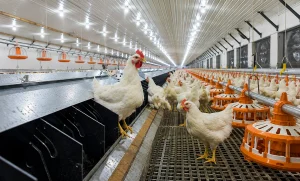
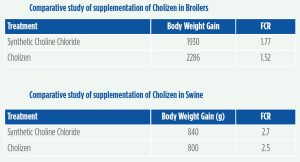
Cholizen enhances daily body weight gain and feed conversion efficiency in poultry and swine, achieving an FCR as low as 1.5—significantly better than Synthetic Choline Chloride 60%.
Broilers supplemented with herbal choline demonstrated equal or superior performance compared to those receiving synthetic choline chloride, with consistent or improved gains in body weight and feed conversion ratios.
Cholizen supplementation results in improved egg production intensity as well as egg yolk lipid content that is helpful in enhancing the egg quality as well as egg shell strength in layer birds.
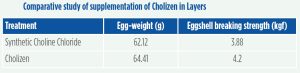
Supplementation with Cholizen positively influenced carcass quality parameters, including live weight, dressed weight, breast meat yield, and reduction in abdominal fat.
In one study, broilers receiving herbal choline exhibited higher live and dressed weights, improved breast meat yield, and lower abdominal fat levels—often outperforming groups fed synthetic choline chloride.
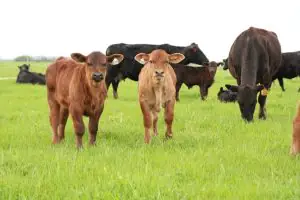
Cholizen supplementation has been shown to enhance milk production in dairy cattle, reaching up to 50 kg/day during a single lactation cycle.
Additionally, herbal choline improved milk composition, with fat content rising to 3.5% and protein levels reaching 3.2%—comparable to
results achieved with rumen-protected choline supplementation.
Cholizen supplementation demonstrated its effectiveness in modulating lipid profiles, with serum triglyceride and cholesterol levels decreasing by 15% in laying hens.
Significant differences were observed in biochemical parameters such as SGOT, total protein, triglycerides, and both serum and liver MDA levels across treatments.
Compared to synthetic choline chloride, Cholizen led to lower SGOT and triglyceride levels. Herbal choline groups exhibited healthier liver enzyme profiles, reduced total cholesterol and triglycerides, and improved redox balance—indicating enhanced liver function in layers. (Chitithoti et al., 2024).
Cholizen has demonstrated superior efficacy in enhancing feed intake and utilization, attributed to its potent lipotropic activity that promotes lipid mobilization without disrupting other metabolic pathways.
Gene expression studies evaluating its impact on key metabolic genes such as FAS and PEPCK revealed that, unlike synthetic choline chloride, Cholizen does not impair the functional efficiency of these genes involved in energy metabolism. Additionally, Cholizen can counteract the fermentative effects of the rumen, offering physiological benefits comparable to those of rumen-protected choline.
Furthermore, an improvement in hepatic metabolism and milk parameters of dairy cattle was also observed that was reflected
in higher serum levels of non-esterified fatty acids, glucose and cholesterol available to meet animal demands during high production periods.
Cholizen proves to be a powerful herbal alternative to synthetic choline chloride, offering enhanced bioavailability and consistent improvements in animal performance, liver health, and metabolic efficiency.
Its ability to support key physiological functions without disrupting energy metabolism makes it a reliable and sustainable choice for modern feed formulations.
Berchielli T.T., Pires A.V., Oliveira S.G. In: Ruminant Nutrition. 2nd ed. Jaboticabal S.P., editor. FUNEP; 2011. p. 616
Chitithoti, A. K., Thullimalli, S., Murikipudi, N. S., Metta, M., & Ganguly, B. (2024). Evaluation of the effect of synthetic and herbal choline supplements on haemato-biochemistry, redox balance and nutrient digestibility in broilers.
Choline Chloride Report (2025). Choline Chloride for Feed Market – PW Consulting Chemical & Energy Research Center.
Dong, X. F., Zhai, Q. H., y Tong, J. M. (2019). Dietary choline supplementation regulated lipid profiles of egg yolk, blood, and liver and improved hepatic redox status in laying hens. Poultry science, 98(8), 3304-3312.
Farina, Giovani & Kessler, Alexandre y Diniz Ebling, Patrícia y Marx, Fábio y César, Ricardo y Ribeiro, Andréa. (2017). PERFORMANCE OF BROILERS FED DIFFERENT DIETARY CHOLINE SOURCES AND LEVELS. Ciência Animal Brasileira. 18. 10.
Gupta, M.; Mondal, T.; Lokesha, E. y Parthasarathi, B. C. 2019. “Bio Choline”- An alternative to synthetic choline in broiler production. International Journal of Livestock Research 9:1-9
Mollazadeh, H., y Hosseinzadeh, H. (2014). The protective effect of Nigella sativa against liver injury: a review. Iranian journal of basic medical sciences, 17(12), 958.
Navarro-Villa, A.; Mica, J. H.; Mozos, J.; Hartog, L. A. y García-Ruiz, A. I. 2019. Nutritional dietary supplements to reducethe incidence of fatty liver syndrome in laying hens and the use of spectrophotometry to predict liver fat content. Journal of Applied Poultry Research 28:435-446.
Olgun, O., Gül, E. T., Kılınç, G., Yıldız, A., Çolak, A., y Sarmiento-García, A. (2022). Performance, egg quality, and yolk antioxidant capacity of the laying quail in response to dietary choline levels. Animals, 12(23), 3361.
Saeed, M.; Alagawany, M.; Arain, M. A.; El-Hack, M. E. A. y Dhama, K. 2017. Beneficial impacts of choline in animal and human with special reference to its role against fatty liver syndrome. Journal of Experimental Biology and Agricultural Sciences 5:589-598
Zaki, A., Jiang, S., Zaghloul, S., El-Rayes, T. K., Saleh, A. A., Azzam, M. M., … y Alagawany, M. (2023). Betaine as an alternative feed additive to choline and its effect on performance, blood parameters, and egg quality in laying hens rations. Poultry Science, 102(7), 102710.

Subscribe now to the technical magazine of animal nutrition
AUTHORS
Consistency in Soybean Meal Drives Performance and Sustainability
Anna Cotcho
Kolin Plus FC: greener choline nutrition for poultry

Middle East conflicts disrupt global feed markets
Edgar Oviedo
Optimizing nutrition for dairy goat and sheep productivity in Cyprus
Carolina Kyriacou
pHix-up improves rumen stability in dairy cows
Subacute ruminal acidosis
Net energy and growth: keys to better prediction in swine production
Gabriela Martínez
How starch structure & protein reduction shape gut health in weaned pigs
Diana Luise
Astaxanthin supplementation in aquaculture
Babatunde Saliu
What is intestinal health?
Marcos Rostagno
Calcium, phosphorus, and phytase optimization in broiler diets
Anna Cotcho