 12 Feb 2024
Ensuring Food Safety in Natural Diets for Dogs and Cats through Freezing
As pet ownership evolves, there’s a growing trend of humanization, extending to their nutritional needs, mirroring developments in human dietary preferences (Viana et al., 2020).
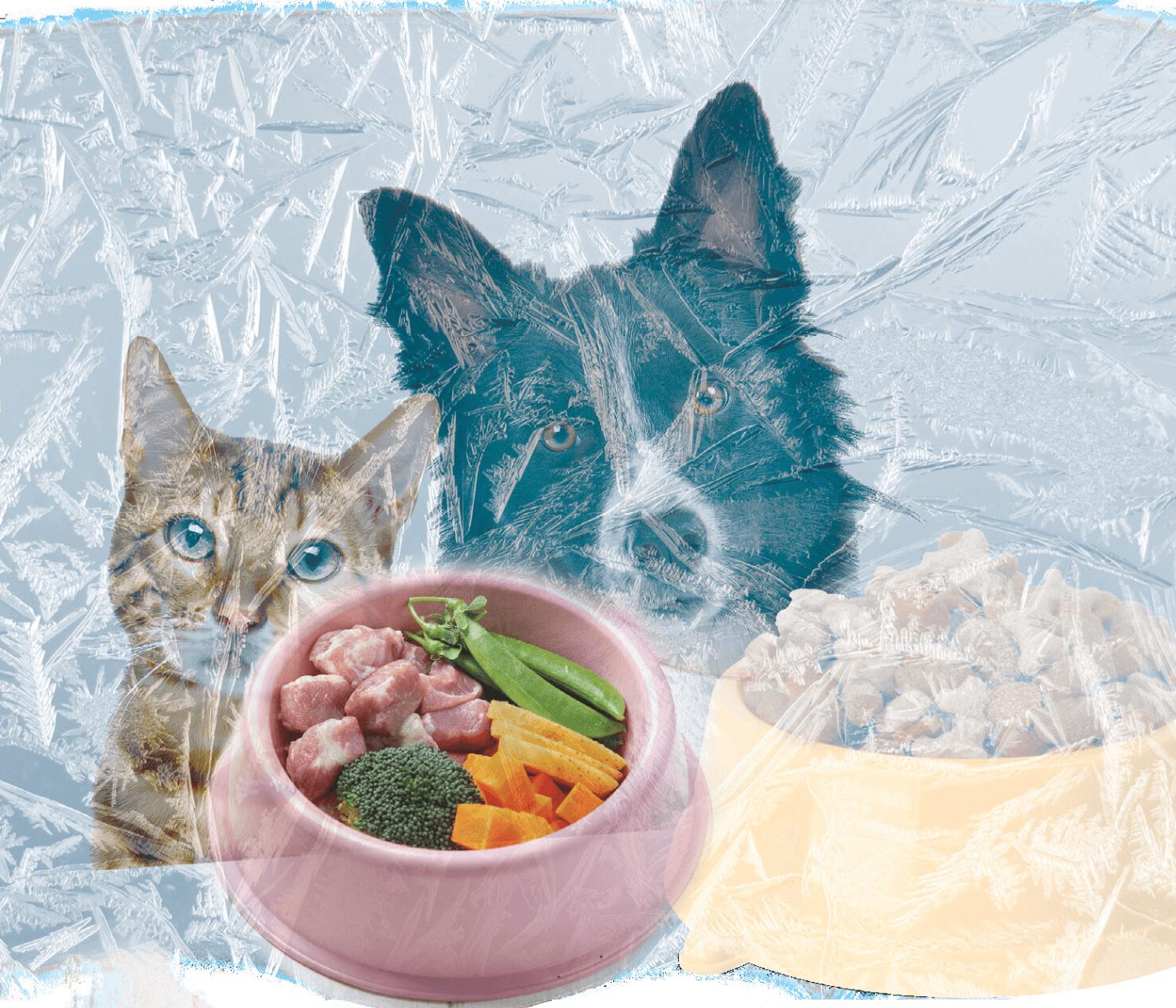
 As a consequence, the demand for more natural products and human-grade food ingredients for dogs and cats has significantly grown, resulting in an increased interest in diets commonly referred to as ‘natural diets’.
 This quest for innovative products has also spurred the need for methods to manufacture and preserve these foods until they reach the shelves, aiming not only to enhance palatability for dogs and cats but also to ensure food safety. Consequently, investment in manufacturing and storage technologies for these foods, alongside adherence to good manufacturing practices (GMP) in facilities, has become crucial to meet the rising market demands.
| Similar to human food, animal feed is vulnerable to microbiological contamination, particularly when raw diets are involved, which can lead to infections like those caused by Salmonella spp. and Campylobacter spp. (Joffe and Schlesinger, 2002; Bojanić et al., 2017), as well as other bacterial strains (Weese et al., 2005) and parasites (Ahmed et al., 2021). |
Studies on raw diets have revealed that although most animals do not exhibit clinical symptoms, the dissemination of Salmonella spp. can persist in the environment for up to a week (Finley et al., 2007).
 As a zoonotic disease, this environmental contamination can lead to disease onset in both animals and immunocompromised humans.
 Animals can become contaminated by ingesting these potential pathogens in their food. In turn, their guardians can be contaminated through direct contact with the food during its handling, with the contaminated animal, with surfaces and household utensils used for food preparation, or even by ingesting food with cross-contamination (Van Bree et al., 2018).


Subscribe now to the technical magazine of animal nutrition
AUTHORS
From 2025 Data to 2026 Decisions: Managing Mycotoxin Risk in a Changing Climate
Trenton Corby
Alterion® NE Celebrates 10 Years of Poultry Gut Health Innovation
The Science Behind Kolin Plus: Beyond Choline Replacement
Summer Infertility in Sows: Managing Heat Stress and Reproductive Performance
AO-Biotics® Amaferm®: Supporting Livestock Digestion and Performance

Interview with Güner Gövenç
nutriNews International Technical Team
Net Energy and Precision Feeding Shape the Future of Poultry Nutrition
Edgar Oviedo
Mycotoxins in Swine: Health Risks and Nutritional Solutions
Giuseppe Carcò
Mycotoxins and Piglet Ear Necrosis: Cause, Cofactor or Coincidence?
Alberto Morillo
How Mycotoxins Affect Intestinal Health in Pigs and Poultry
Marcos Rostagno
From Antibiotics to Functional Feeds in Aquaculture
Babatunde Saliu
Peas as an Alternative to Soybean Meal in Beef Cattle Finishing Diets
Sandra Costa-Roura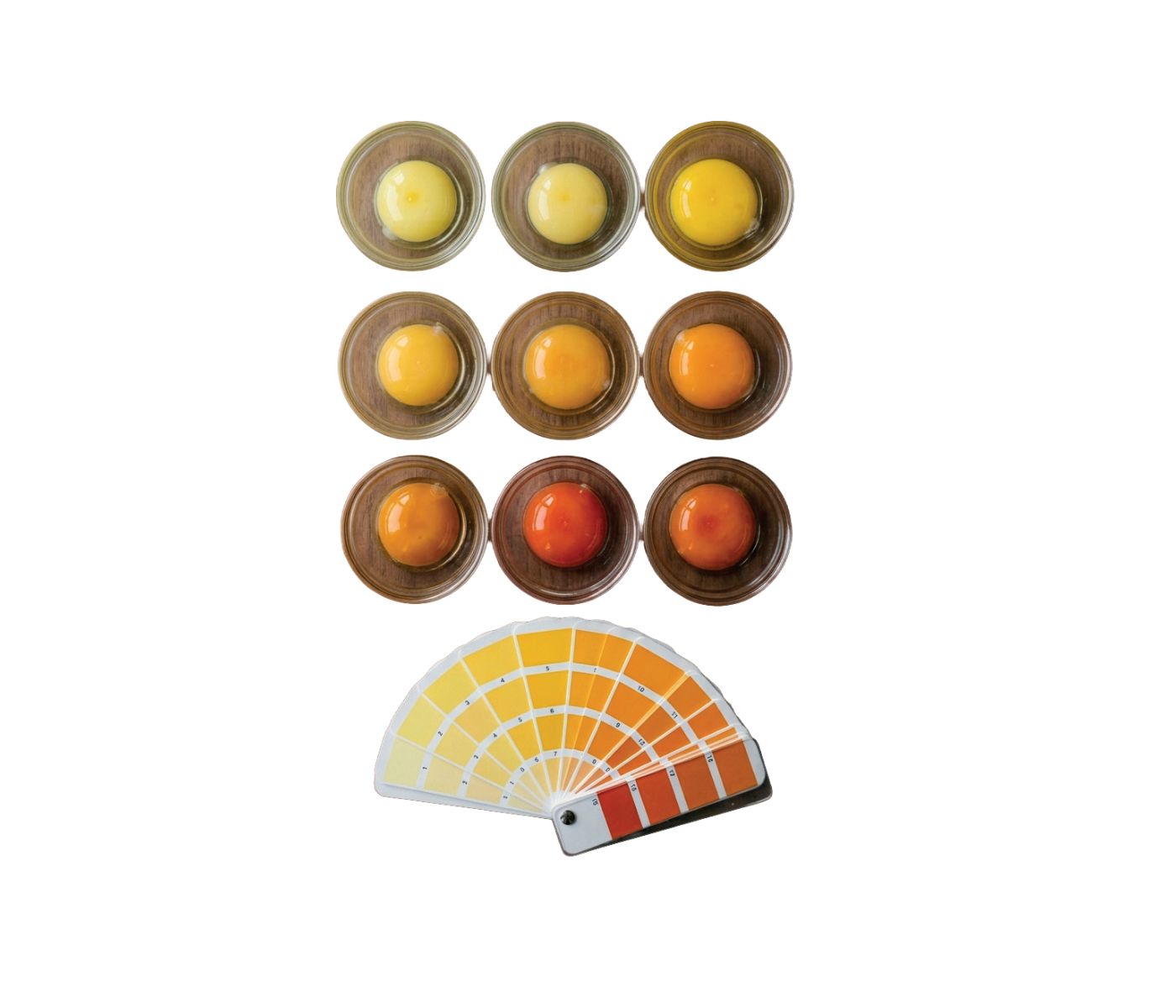
Improving Egg Yolk Pigmentation Through Better Nutrient Transport
Aquaculture and Aquaponics Nutrition: How Fish Shape the Growth of Greens
Trenton Corby
Consistency in Soybean Meal Drives Performance and Sustainability