



Study diets
 22 Apr 2022
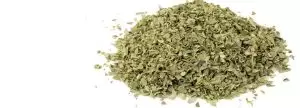
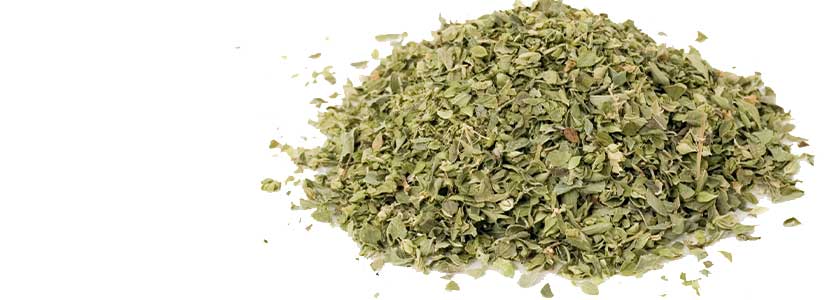
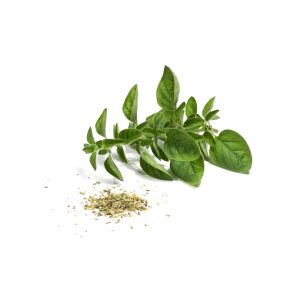
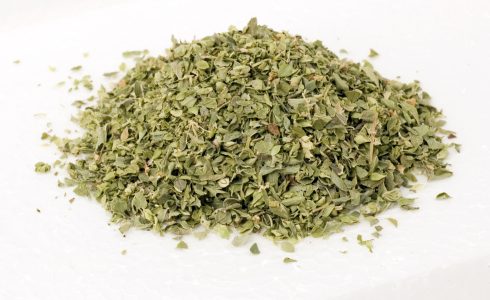
Oregano (Origanum vulgare L) and its use in poultry feed has been shown to possess antibacterial activity, antioxidant properties, stimulate digestive enzyme secretion and help reduce the severity of digestive and respiratory disorders amongst other properties. These functional effects of oregano can be explained by the presence of secondary metabolites such as carvacrol and thymol. This fact supports the claim that oregano is a true alternative for enhancing the functional performance of chicken’s gastrointestinal tract. Which in turn helps to avoid the use of antimicrobial additives and the potential risks of triggering bacterial resistance.
The use of antibiotic growth promoters in broilers has improved productivity levels in the poultry industry. However, the use of these substances in animal diets has started to be banned in certain countries due to the appearance of resistance. Under this scenario, plant extracts are currently considered as an alternative to the use of antibiotic growth promoters in bird feed. These substances produce a beneficial effect on the intestinal tract of birds without altering normal physiological functions.


| It is clear that viable scenarios are being sought out within the poultry industry to deal with the absence of antibiotic growth promoters. Therefore, the challenge for poultry nutrition is to find alternatives that can replace antibiotic growth promoters and be able to mitigate the collateral effects caused by their widespread use in foods for human consumption. |


Over the past years the European Union has been looking for natural additives that can act as alternative growth promoters. Finding such an option in plant extracts, which are the oldest products known to be used in human medicine. However, it is quite interesting that their use in veterinary medicine is relatively new. Plant extracts and essential oils are secondary metabolites that tend to have a protective role against external aggressions. These have different properties such as:
 Antioxidants
Stimulants of liver function
Production of digestive enzymes
The following study, reveals the effects of oregano (Origanum vulgare L) on broiler productive parameters when used as a natural alternative to replace antibiotic growth promoters .
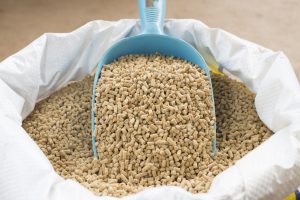
Study diets
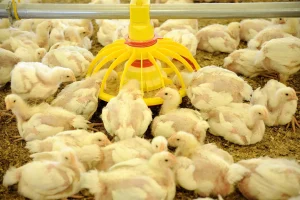
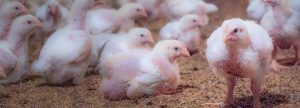
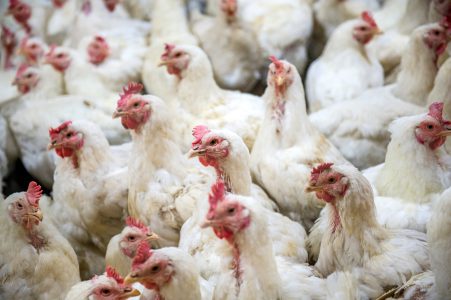
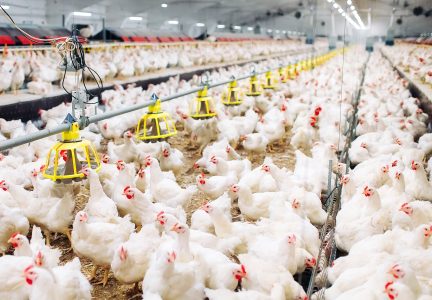
For this study 400 Cobb500 Line (one day old) BB chickens of both sexes were randomly distributed into a control group and three experimental groups composed of 100 chickens each. Fieldwork was carried out in bird sheds belonging to the Faculty of Veterinary Medicine and Zootechnics of the Hermilio Valdizán National University (Peru). Trials were carried out during a 42 day period:
It must be highlighted that feed consumption was an important evaluation parameter to determine weight gain and feed conversion rate for each dietary treatment. Chickens’ growth efficiency, expressed in live weight increase values, was determined by the final weight recorded at 6 weeks of treatment.
DISCUSSION
Oregano is characterized as a plant that produces bioactive substances with beneficial effects similar to that of antibiotic growth promoters. Its byproducts including essential oils have been used in various investigations due to their capacity to enhance productivity and contribution to the increase of broiler productive parameters. It has also been shown that oregano improves immune status, weight gain and leads to a better absorption and utilization of nutrients. Which results in a better feed conversion.
CONCLUSION
The addition of of 1% oregano flour to the diet of broilers improved their productive parameters. Obtaining a feed consumption of 4.45 kg, weight gain of 2.55 kg, feed conversion of 1.78 and 0% mortality. These results stand out as an interesting contribution for bird feeding and place oregano as a true alternative to replace antibiotic promoters.
Source: UNHEVAL Magazines. Oregano (Origanum vulgare L) in the productive parameters of broilers 2017.
Subscribe now to the technical magazine of animal nutrition
AUTHORS
From 2025 Data to 2026 Decisions: Managing Mycotoxin Risk in a Changing Climate
Alterion® NE Celebrates 10 Years of Poultry Gut Health Innovation
The Science Behind Kolin Plus: Beyond Choline Replacement

Summer Infertility in Sows: Managing Heat Stress and Reproductive Performance
AO-Biotics® Amaferm®: Supporting Livestock Digestion and Performance

Interview with Güner Gövenç
Güner Gövenç,
Net Energy and Precision Feeding Shape the Future of Poultry Nutrition
Edgar Oviedo
Mycotoxins in Swine: Health Risks and Nutritional Solutions
Giuseppe Carcò
Mycotoxins and Piglet Ear Necrosis: Cause, Cofactor or Coincidence?
Alberto Morillo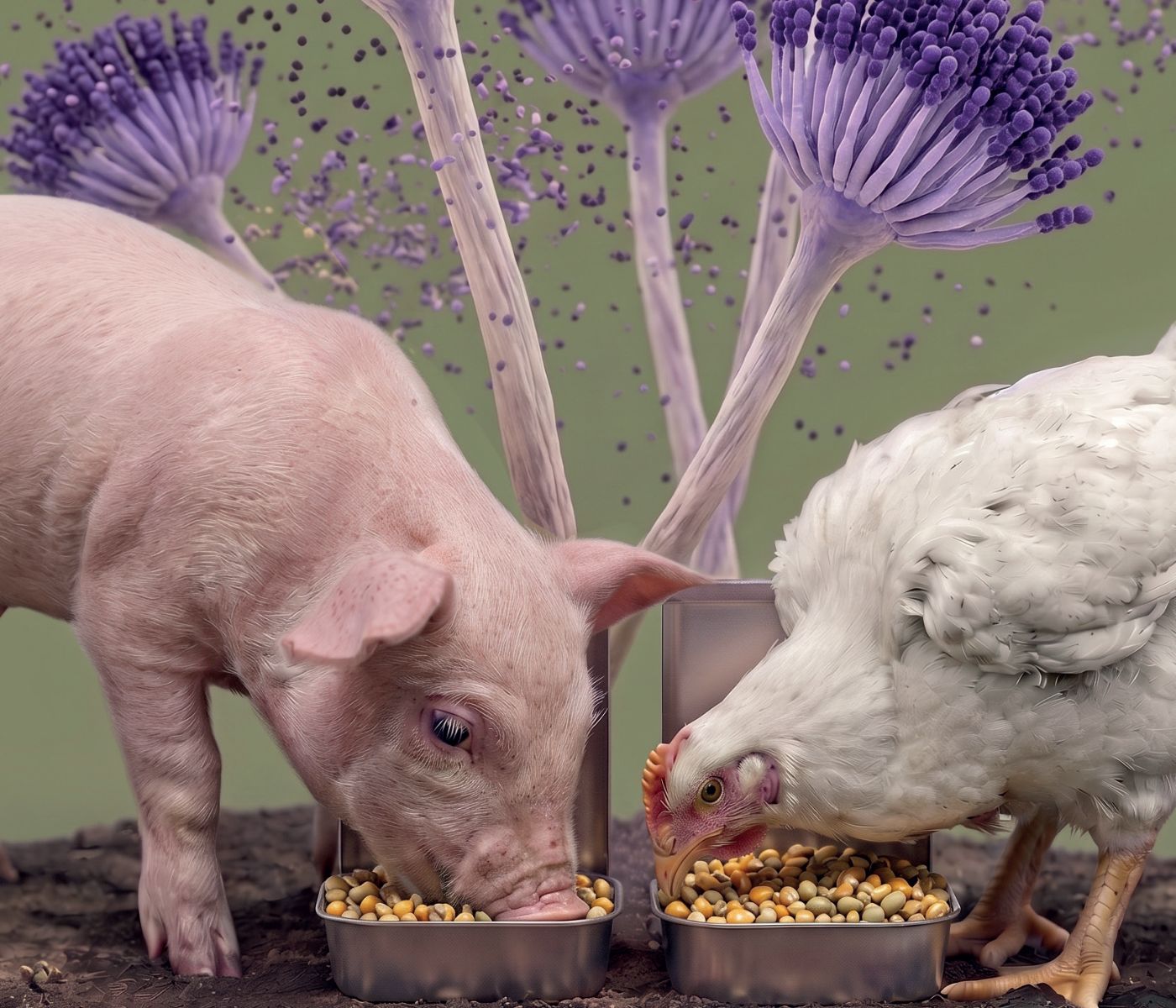
How Mycotoxins Affect Intestinal Health in Pigs and Poultry
Marcos Rostagno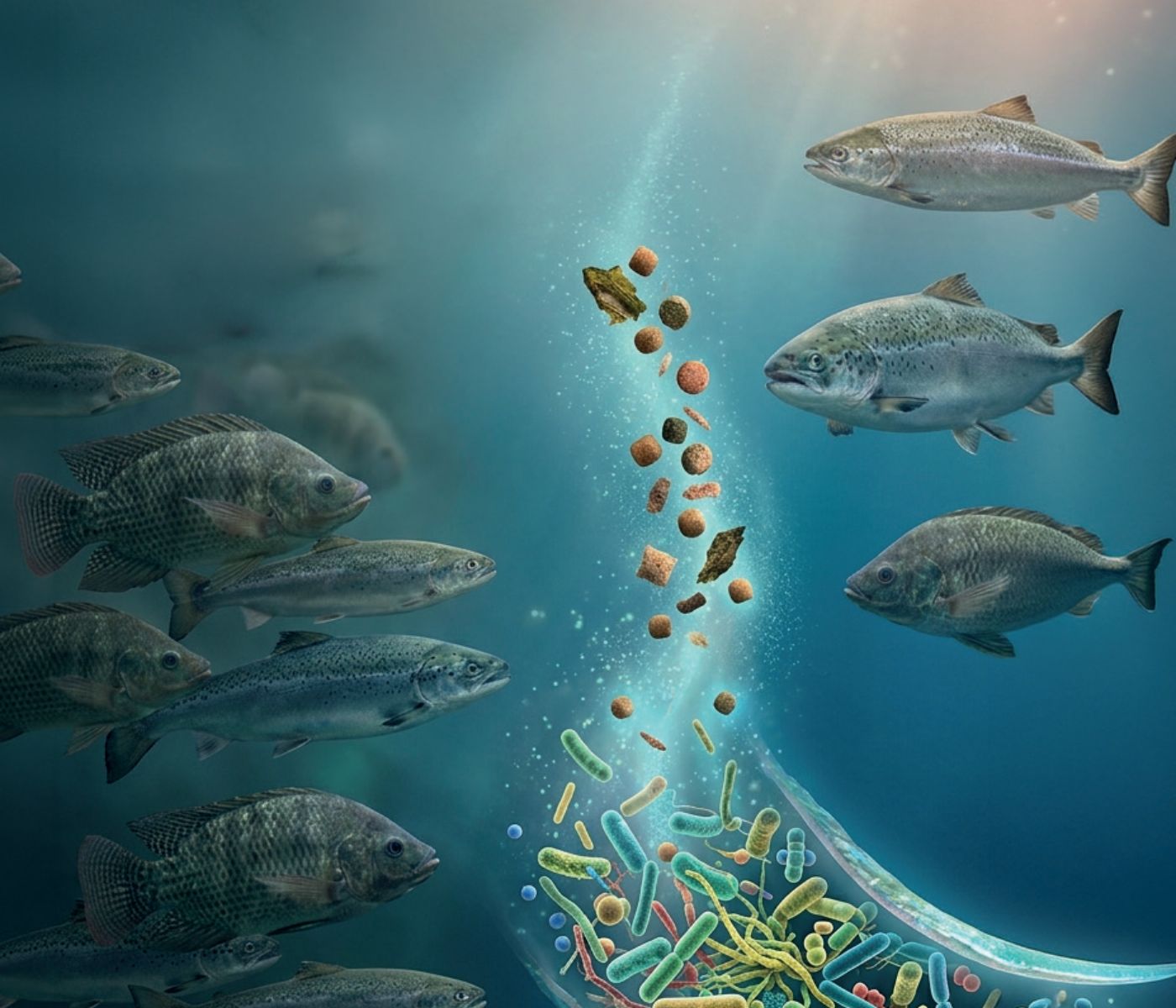
From Antibiotics to Functional Feeds in Aquaculture
Babatunde Saliu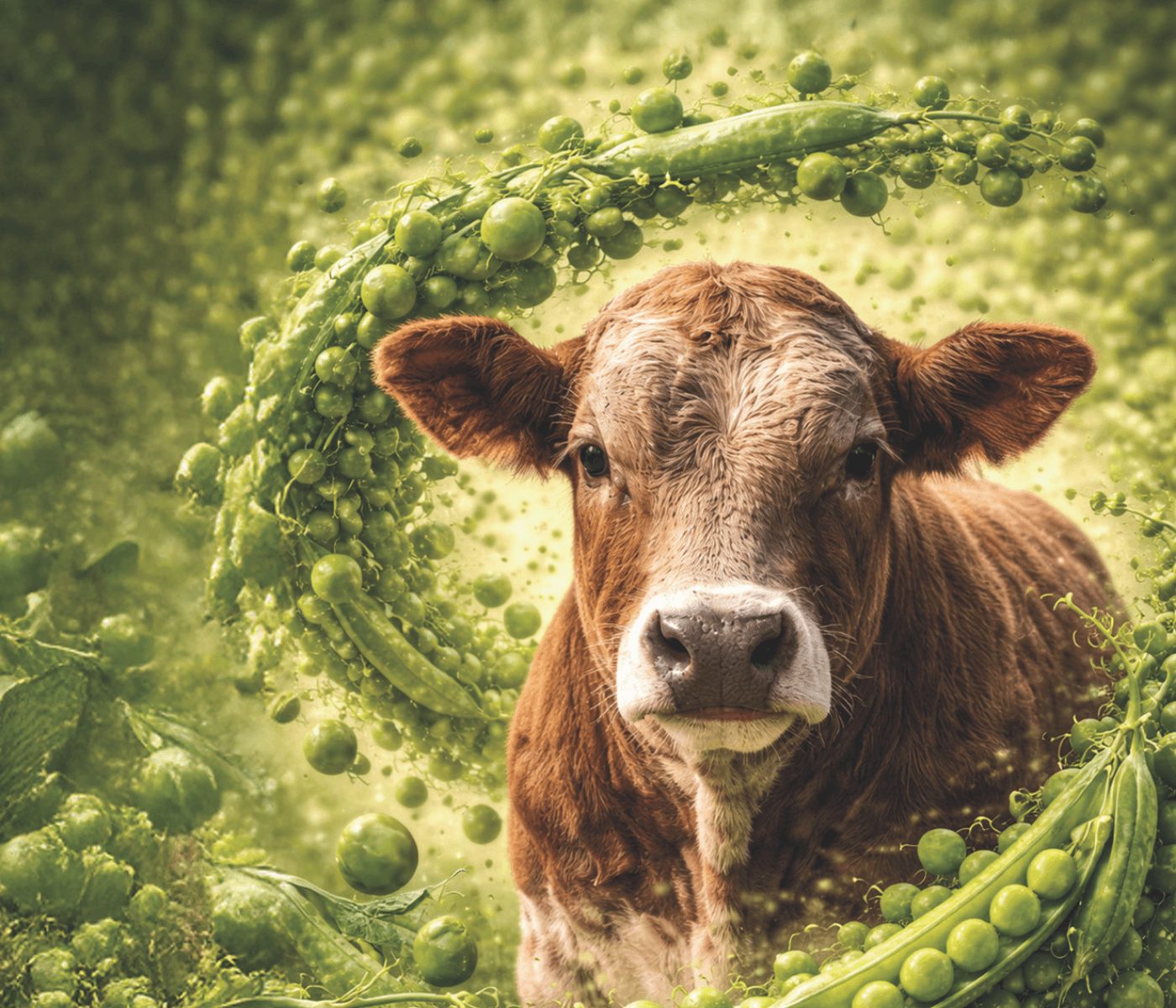
Peas as an Alternative to Soybean Meal in Beef Cattle Finishing Diets
Daniel Villalba Mata,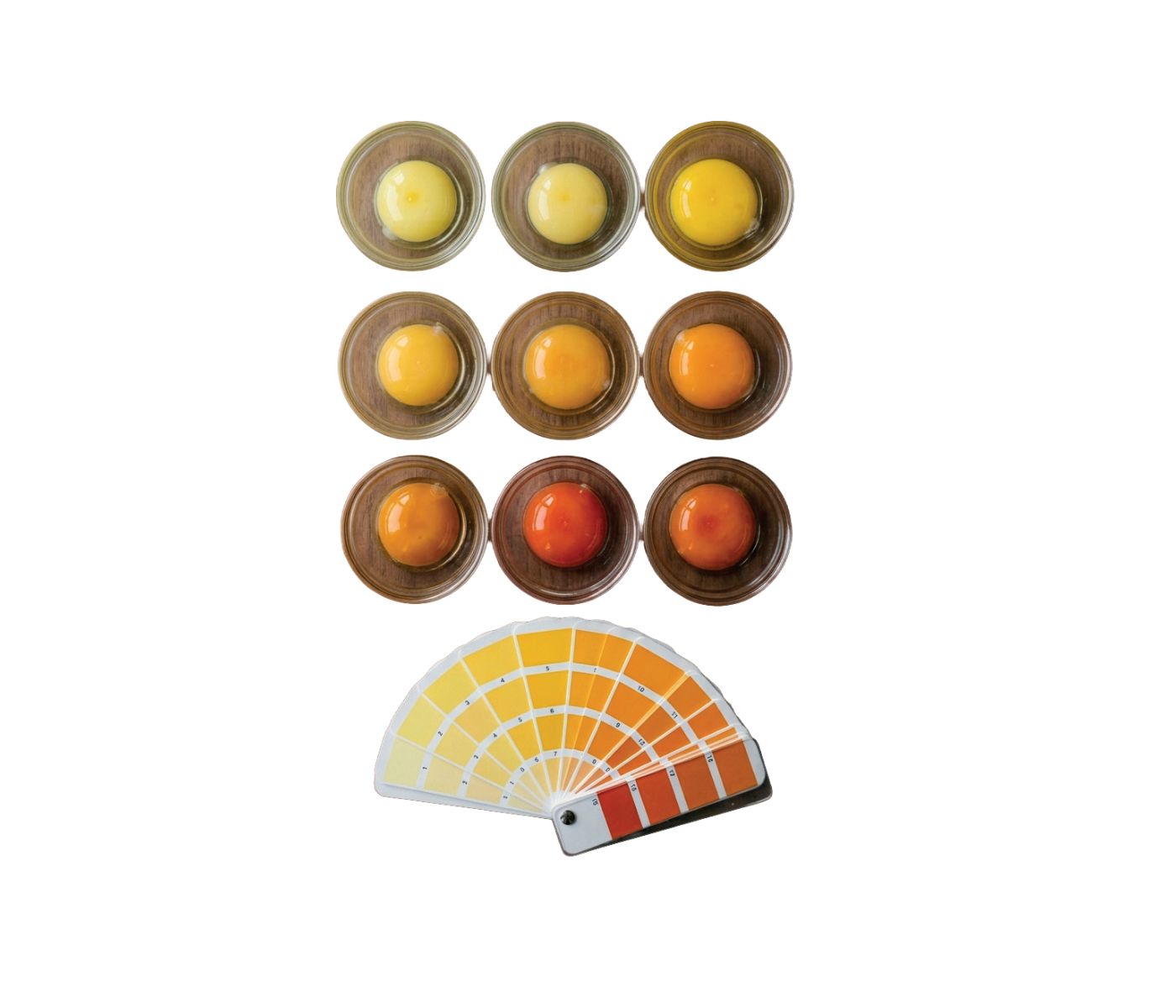
Improving Egg Yolk Pigmentation Through Better Nutrient Transport

Aquaculture and Aquaponics Nutrition: How Fish Shape the Growth of Greens
Trenton Corby
Consistency in Soybean Meal Drives Performance and Sustainability