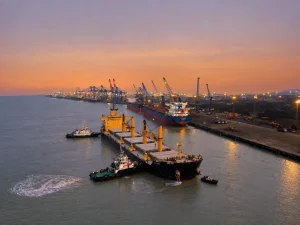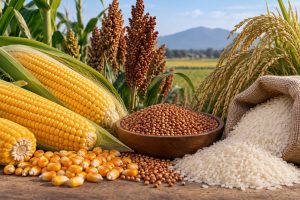
Paraguay is positioning itself to expand exports to the Philippines, targeting corn, oilseeds, and agro-industrial products. This move builds on its successful entry into the meat trade last year, when shipments of poultry thighs and beef reached Manila.
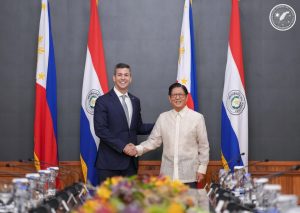
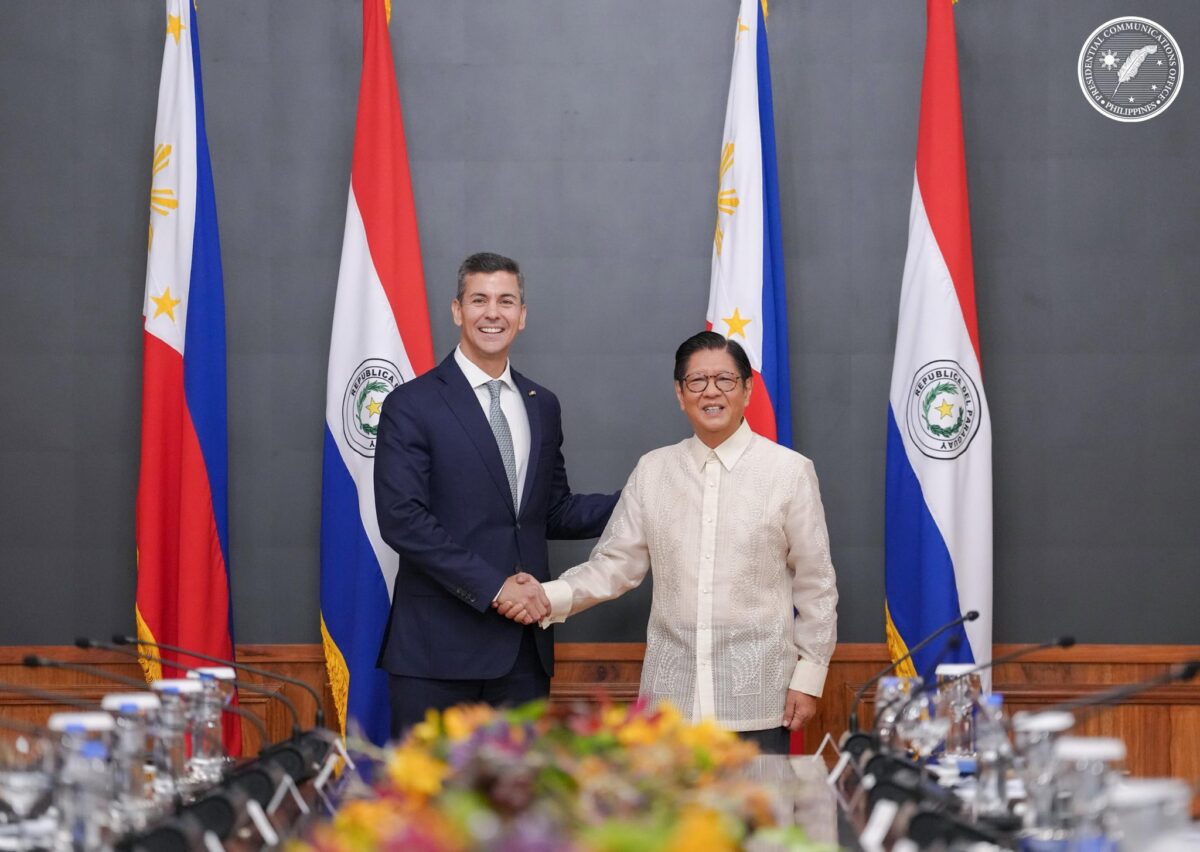
During his Manila visit, President Santiago Peña Palacios explained that supplying over 100 million consumers in Southeast Asia requires diversification. He stressed Paraguay’s readiness to complement protein exports with grains and feed inputs, aligning with Philippine demand.
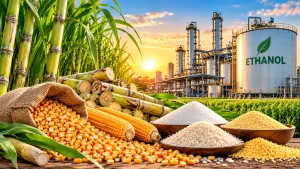
The Philippines is forecast to import 1.75 million tons of corn in 2025-26, a 7.4% increase from the previous year. This rising demand positions Paraguay against Argentina and Brazil, already major non-Asean corn suppliers.
Industry observers note that the Philippines remains one of Asia’s most dynamic feed markets, where competition among suppliers is expected to intensify. Paraguay’s entry could diversify sourcing options and reduce reliance on traditional exporters.


Philippine livestock and poultry inventories highlight the importance of feed grains. Chicken stocks reached 217.23 million birds by end-2025, up 5.2% year-on-year. Broiler and layer populations expanded by 10% and 15.9%, respectively, driving higher corn and soybean meal demand.
Swine numbers also rose slightly to 8.79 million heads, despite lingering African swine fever challenges. This modest recovery supports feed demand, particularly for corn and oilseed-based rations. Dairy animal inventories grew nearly 5%, further linking grain imports to animal nutrition needs.
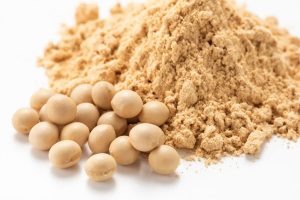
Feed industry analysts emphasize that corn remains the backbone of Philippine rations, while soybean meal provides essential protein for poultry and swine. Rising demand for both inputs underscores why Paraguay’s grain ambitions align closely with Philippine feed requirements.
Paraguay’s expansion into the Philippine grain market highlights how agricultural trade can evolve from single-product exchanges into broader partnerships. By complementing meat exports with corn and oilseeds, Paraguay strengthens its role in supporting feed demand and animal nutrition.
For the Philippines, rising poultry and swine populations ensure continued reliance on imported grains, making new suppliers increasingly valuable. Paraguay’s entry not only diversifies sourcing but also signals deeper cooperation that links food security with diplomacy.
As both countries explore wider regional integration, this trade shift reflects a practical step toward building resilient supply chains and stronger international ties.

Subscribe now to the technical magazine of animal nutrition
AUTHORS
From 2025 Data to 2026 Decisions: Managing Mycotoxin Risk in a Changing Climate
Alterion® NE Celebrates 10 Years of Poultry Gut Health Innovation

The Science Behind Kolin Plus: Beyond Choline Replacement
Summer Infertility in Sows: Managing Heat Stress and Reproductive Performance
AO-Biotics® Amaferm®: Supporting Livestock Digestion and Performance

Interview with Güner Gövenç
Güner Gövenç,
Net Energy and Precision Feeding Shape the Future of Poultry Nutrition
Edgar Oviedo
Mycotoxins in Swine: Health Risks and Nutritional Solutions
Giuseppe Carcò
Mycotoxins and Piglet Ear Necrosis: Cause, Cofactor or Coincidence?
Alberto Morillo
How Mycotoxins Affect Intestinal Health in Pigs and Poultry
Marcos Rostagno
From Antibiotics to Functional Feeds in Aquaculture
Babatunde Saliu
Peas as an Alternative to Soybean Meal in Beef Cattle Finishing Diets
Daniel Villalba Mata,
Improving Egg Yolk Pigmentation Through Better Nutrient Transport

Aquaculture and Aquaponics Nutrition: How Fish Shape the Growth of Greens
Trenton Corby
Consistency in Soybean Meal Drives Performance and Sustainability