 14 Jul 2022
Postbiotics’ use has shown great potential, and may represent a promising alternative to antibiotic growth promoters (AGPs) within the animal production industry.
Gut homeostasis has been shown to be important for maintaining good animal health status. There is increasing evidence that gut microbiota plays a vital role in this function (Fan and Pedersen, 2021).
It is well established that probiotic additives can benefit the host, including specific strains of:
The term probiotic, defined as:”Live microorganisms that, when administered in adequate amounts, confer a health benefit to the host” (FAO, 2001) has been widely accepted.



Probiotics improve host health by supporting a healthy digestive tract and immune system (Hill et al., 2014).

Since probiotics were defined as live microorganisms and probiotic products were widely applied, it was found that there were a large number of dead or injured microorganisms that still maintained an influence on host health (Fiore et al., 2020).

The beneficial effects of components and end products of non-viable microorganisms were also observed. Such as:

Postbiotics bring a new inspiration for modulating gut health due to their advantages.
Postbiotics and the advantages of their use in animal production
Throughout the years several different terms have been created and used for postbiotics. For example:
The term “postbiotics” was first coined by Tsilingiri et al. , and suggests that they are metabolic products derived from probiotics, which exert beneficial effects on the host directly or indirectly (Tsilingiri et al., 2012).
 In 2019, the International Scientific Association of Probiotics and Prebiotics (ISAPP) proposed a definition for “postbiotics” as the “preparation of inanimate microorganisms and/or their components that confer a benefit to the host’s health” (Swanson et al. , 2020).
Subscribe now to the technical magazine of animal nutrition
AUTHORS
From 2025 Data to 2026 Decisions: Managing Mycotoxin Risk in a Changing Climate
Alterion® NE Celebrates 10 Years of Poultry Gut Health Innovation
The Science Behind Kolin Plus: Beyond Choline Replacement

Summer Infertility in Sows: Managing Heat Stress and Reproductive Performance
AO-Biotics® Amaferm®: Supporting Livestock Digestion and Performance

Interview with Güner Gövenç
Güner Gövenç,
Net Energy and Precision Feeding Shape the Future of Poultry Nutrition
Edgar Oviedo
Mycotoxins in Swine: Health Risks and Nutritional Solutions
Giuseppe Carcò
Mycotoxins and Piglet Ear Necrosis: Cause, Cofactor or Coincidence?
Alberto Morillo
How Mycotoxins Affect Intestinal Health in Pigs and Poultry
Marcos Rostagno
From Antibiotics to Functional Feeds in Aquaculture
Babatunde Saliu
Peas as an Alternative to Soybean Meal in Beef Cattle Finishing Diets
Daniel Villalba Mata,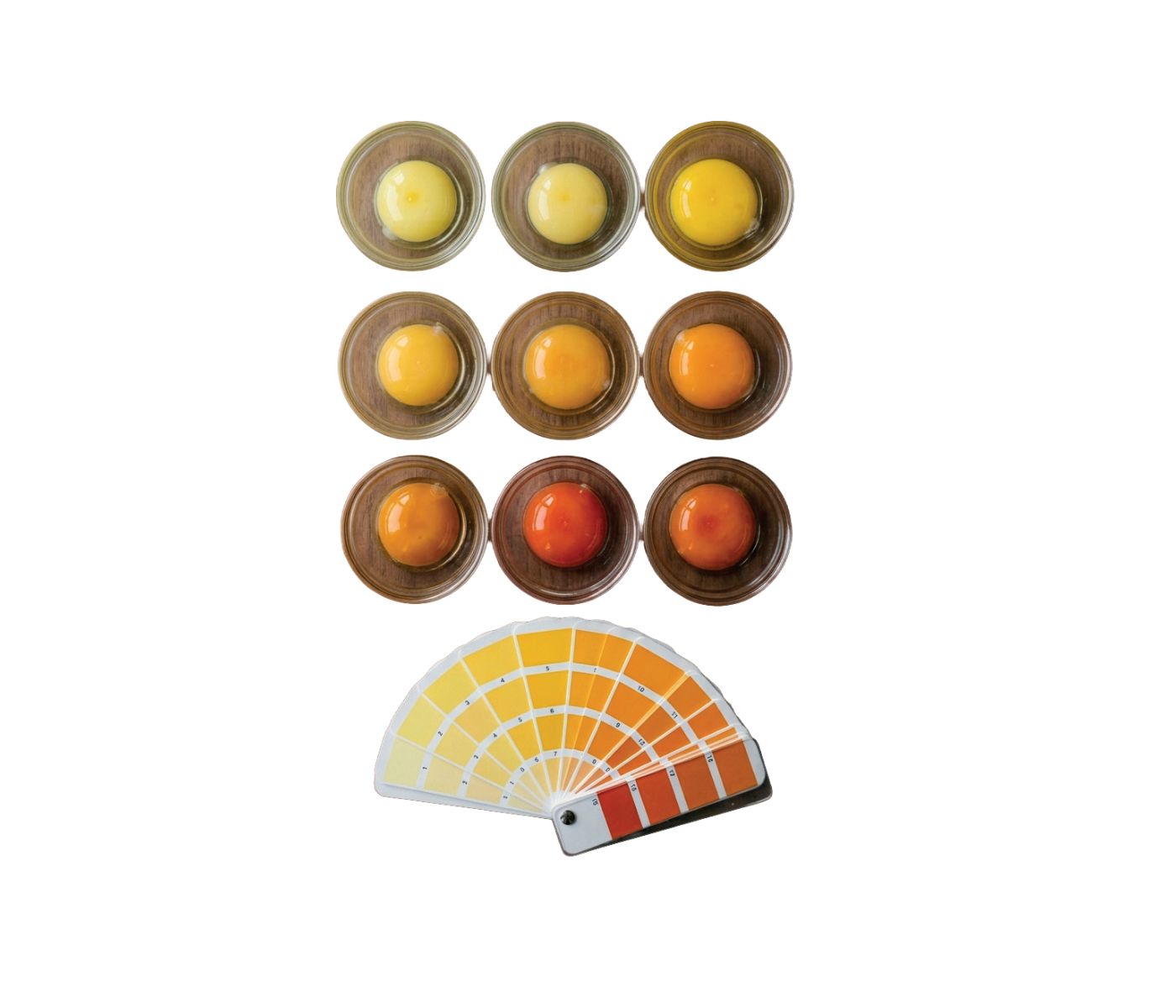
Improving Egg Yolk Pigmentation Through Better Nutrient Transport

Aquaculture and Aquaponics Nutrition: How Fish Shape the Growth of Greens
Trenton Corby
Consistency in Soybean Meal Drives Performance and Sustainability