 29 Jul 2022
Exogenous enzymes: a tool for maintaining intestinal health
Maintaining production rates with a competitive production cost is a constant challenge for the poultry sector.
The inclusion of exogenous enzymes in diets is an indispensable practice to face this challenge, being that it maximizes the use of feed by birds with a reduction in cost, due to formulation adjustments.
In fact, it is estimated that the inclusion of a nutritional matrix of an enzyme complex containing carbohydrases, phytases and proteases for the formulation of commercial diets of animal origin for broilers is capable of reducing the cost of production by 10 to 15% per ton of ration on average.


| Therefore, exogenous enzymes are essential when formulating bird diets with minimum costs. |
Practical approach to the benefits of using exogenous enzymes
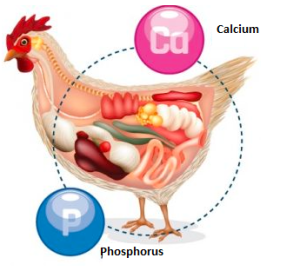
The actions of enzymes on anti-nutritional factors present in diets, such as phytate and non-starchy polysaccharides and on the activity of endogenous enzymes, increasing the availability of nutrients (calcium, phosphorus and amino acids) and energy are frequently mentioned (Alabi et al., 2019; Bedford & Cowieson, 2020) and are reflected in the reduction of costs.

However, this text makes a practical approach to the benefits, in addition to the economic, emphasizing the mechanisms of action of enzymes in the maintenance of intestinal health of birds.
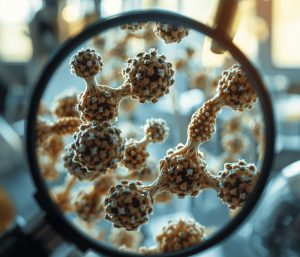
Non-starch polysaccharides
Non-starch polysaccharides, in addition to interfering with the digestion of other nutrients, can favor the growth of undesirable microorganisms, triggering inflammatory responses through intestinal receptors (Kogut et al. , 2018; Dal Pont et al. , 2020).
Subscribe now to the technical magazine of animal nutrition
AUTHORS
From 2025 Data to 2026 Decisions: Managing Mycotoxin Risk in a Changing Climate
Alterion® NE Celebrates 10 Years of Poultry Gut Health Innovation
The Science Behind Kolin Plus: Beyond Choline Replacement
Summer Infertility in Sows: Managing Heat Stress and Reproductive Performance
AO-Biotics® Amaferm®: Supporting Livestock Digestion and Performance

Interview with Güner Gövenç
Güner Gövenç,
Net Energy and Precision Feeding Shape the Future of Poultry Nutrition
Edgar Oviedo
Mycotoxins in Swine: Health Risks and Nutritional Solutions
Giuseppe Carcò
Mycotoxins and Piglet Ear Necrosis: Cause, Cofactor or Coincidence?
Alberto Morillo
How Mycotoxins Affect Intestinal Health in Pigs and Poultry
Marcos Rostagno
From Antibiotics to Functional Feeds in Aquaculture
Babatunde Saliu
Peas as an Alternative to Soybean Meal in Beef Cattle Finishing Diets
Daniel Villalba Mata,
Improving Egg Yolk Pigmentation Through Better Nutrient Transport

Aquaculture and Aquaponics Nutrition: How Fish Shape the Growth of Greens
Trenton Corby
Consistency in Soybean Meal Drives Performance and Sustainability