



Navigating Change: The Resolution of U.S. Port Strikes and Its Impact on Global Trade
 06 Oct 2024
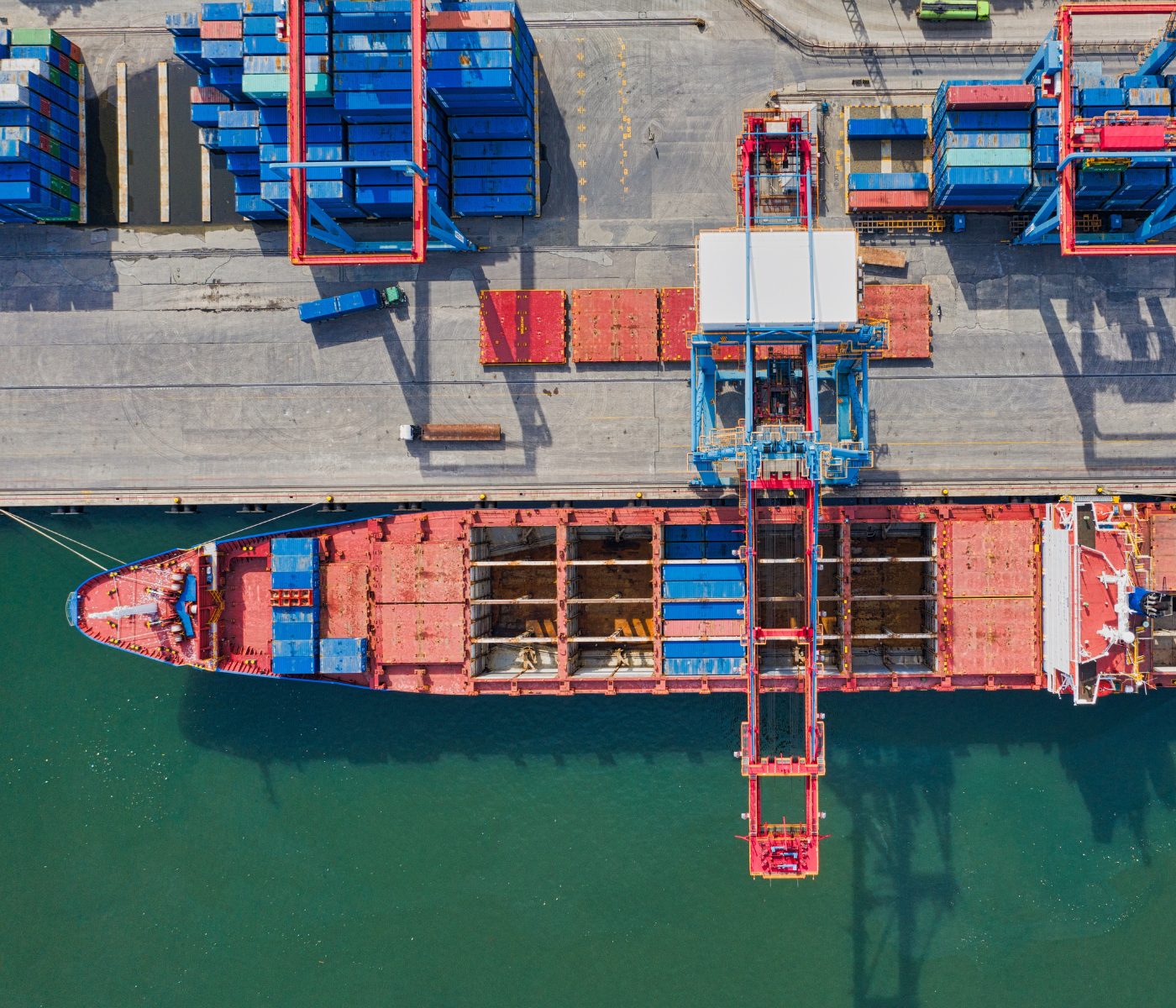
Recent labor disputes at key U.S. ports disrupted operations, leading to significant delays and heightened concerns about supply shortages. However, the recent resolution of this dispute highlights the ongoing challenges and opportunities in the sector, emphasizing the importance of stable port operations to ensure the smooth flow of goods and maintain robust supply chains.
A significant labor dispute that disrupted operations at major U.S. ports has now been resolved, providing much-needed relief to businesses that depend on efficient trade. The strike affected thousands of workers, primarily on the West Coast, resulting in substantial delays due to concerns over wages and working conditions.
The newly reached tentative agreement includes notable wage increases to help address rising living expenses and improved working conditions focused on reducing fatigue and enhancing safety with better scheduling practices. This contract extension spans several years, reducing the risk of future strikes and ensuring stability for both workers and employers.


With the strike now resolved, ports are prioritizing the clearance of the cargo backlog. Key industries affected include retail, where businesses are eager to replenish stocks of various products. Retailers have expressed concerns about potential shortages of high-demand products, making it crucial to restore smooth operations swiftly. The automotive industry faced delays in receiving essential parts, which could disrupt production schedules, while manufacturing could experience slowed production and increased costs due to delays in raw material shipments.
The conclusion of this strike may have longer-term effects on global trade and labor dynamics. The successful outcome may encourage other labor unions to negotiate more effectively for better pay and working conditions amid rising costs. Additionally, the strike highlights the fragility of global supply chains, prompting businesses to consider diversified sourcing and logistics strategies to mitigate future risks. The incident may also spark discussions about increasing automation in port operations to enhance efficiency and accommodate growing trade demands.
The resolution of the port strike marks an important milestone in restoring normal trade operations. The immediate focus will be on clearing backlogs, but the situation also highlights significant trends in labor relations and supply chain management that businesses must navigate moving forward. As the logistics landscape evolves, fostering strong relationships with labor forces and investing in flexible, resilient supply chains will be crucial for preventing future disruptions and ensuring stability in global trade.


Subscribe now to the technical magazine of animal nutrition
AUTHORS

From 2025 Data to 2026 Decisions: Managing Mycotoxin Risk in a Changing Climate

Alterion® NE Celebrates 10 Years of Poultry Gut Health Innovation

The Science Behind Kolin Plus: Beyond Choline Replacement

Summer Infertility in Sows: Managing Heat Stress and Reproductive Performance

AO-Biotics® Amaferm®: Supporting Livestock Digestion and Performance

Interview with Güner Gövenç
Güner Gövenç,
Net Energy and Precision Feeding Shape the Future of Poultry Nutrition
Edgar Oviedo
Mycotoxins in Swine: Health Risks and Nutritional Solutions
Giuseppe Carcò
Mycotoxins and Piglet Ear Necrosis: Cause, Cofactor or Coincidence?
Alberto Morillo
How Mycotoxins Affect Intestinal Health in Pigs and Poultry
Marcos Rostagno
From Antibiotics to Functional Feeds in Aquaculture
Babatunde Saliu
Peas as an Alternative to Soybean Meal in Beef Cattle Finishing Diets
Daniel Villalba Mata,
Improving Egg Yolk Pigmentation Through Better Nutrient Transport

Aquaculture and Aquaponics Nutrition: How Fish Shape the Growth of Greens
Trenton Corby
Consistency in Soybean Meal Drives Performance and Sustainability