 15 May 2026
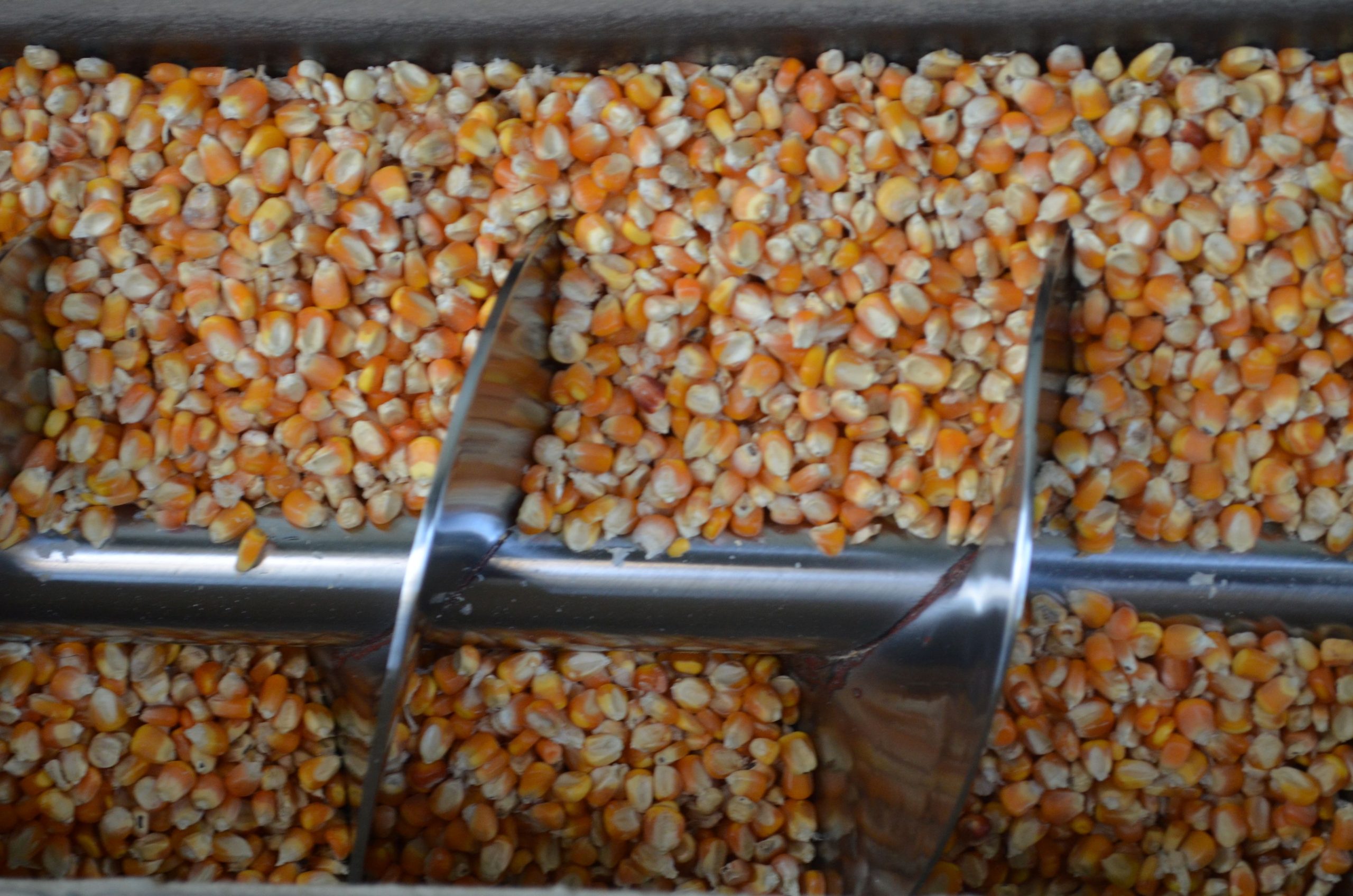
Thailand’s Chamber of Commerce has reassured farmers that planned imports of one million tons of US corn will stabilize feed costs without undermining local production. The Nation Thailand reported that the measure aims to balance supply chains and strengthen food security.
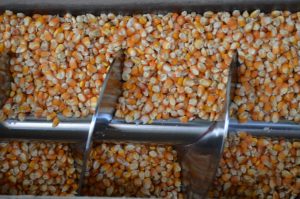
Thailand consumes 8.5–9 million tons of animal-feed corn annually but produces only 4.8–5 million tons domestically. This leaves a shortfall of 3–4 million tons each year. The Chamber emphasized that the planned import of one million tons from the US is part of existing needs, not a replacement for Thai farmers’ output.
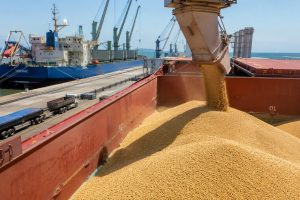
Imports will occur between February 1 and June 30, ahead of the local harvest, to avoid direct competition. Farmer-protection rules remain in place, requiring importers to buy three parts local corn for every one part imported corn.
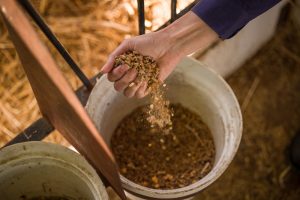
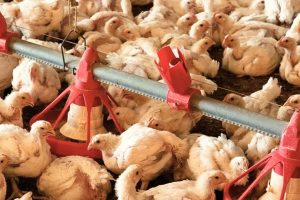
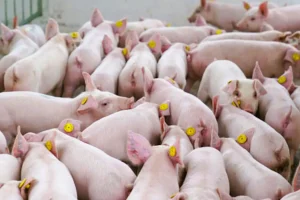
Feed costs are a major expense for chicken, pork, eggs, milk, seafood, and pet food. Research from Kasikorn Research Center suggests US corn imports could reduce feed costs by 8%, easing consumer prices and supporting long-term competitiveness.
Thailand is a leading exporter of chicken, shrimp, seafood, processed food, and pet food, industries that depend on reliable feed supplies and compliance with international standards. Stable raw material prices are critical to maintaining competitiveness in global markets.
Thailand already imports 1–2 million tons of corn annually from Myanmar, Laos, and Cambodia under the AFTA framework. The Chamber noted that diversifying sources toward countries with stronger environmental and traceability standards, such as the US, could reduce risks linked to agricultural burning and PM2.5 pollution.
Officials described the policy as part of broader trade negotiations aimed at balancing economic relations and reducing tariff pressures. The government pledged to continue supporting farmers while ensuring food-price stability.

The Chamber of Commerce and Board of Trade of Thailand will co-host the Thailand-US Trade & Investment Forum 2026 with the US Chamber of Commerce and AMCHAM Thailand on August 17, 2026. The forum will focus on expanding cooperation in trade, investment, technology, and future industries.


Subscribe now to the technical magazine of animal nutrition
AUTHORS
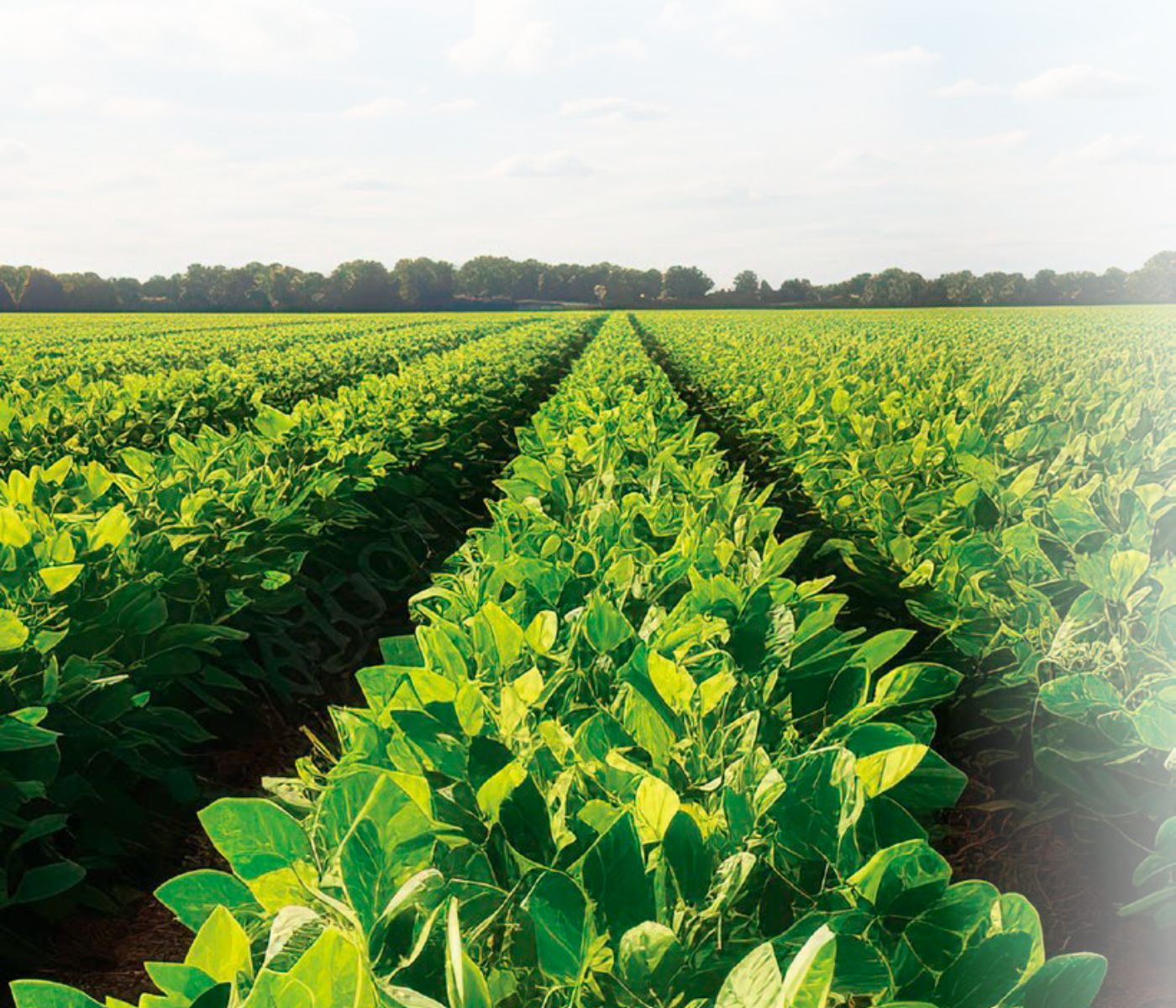
Consistency in Soybean Meal Drives Performance and Sustainability
Anna Cotcho
Kolin Plus FC: greener choline nutrition for poultry

Middle East conflicts disrupt global feed markets
Edgar Oviedo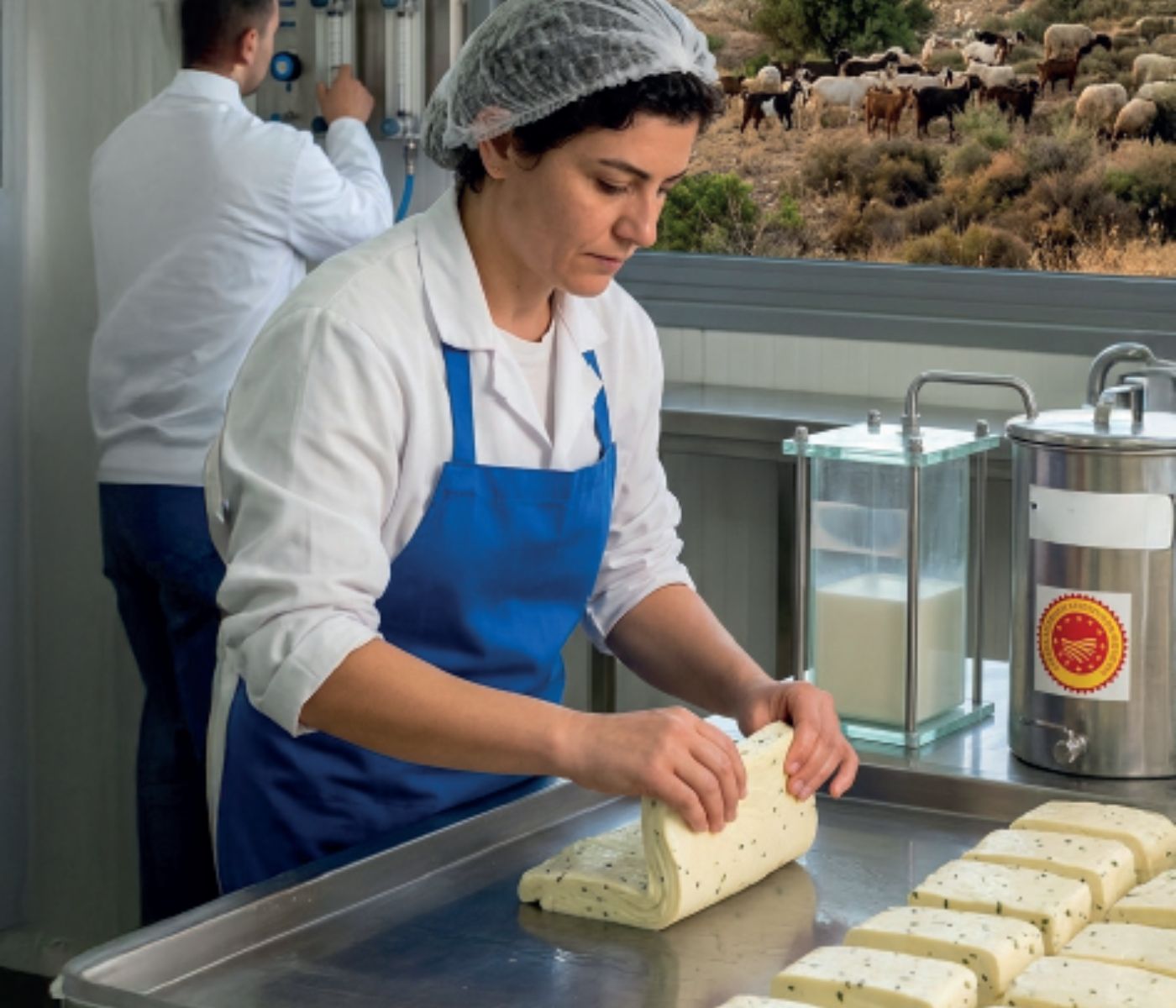
Optimizing nutrition for dairy goat and sheep productivity in Cyprus
Carolina Kyriacou
pHix-up improves rumen stability in dairy cows
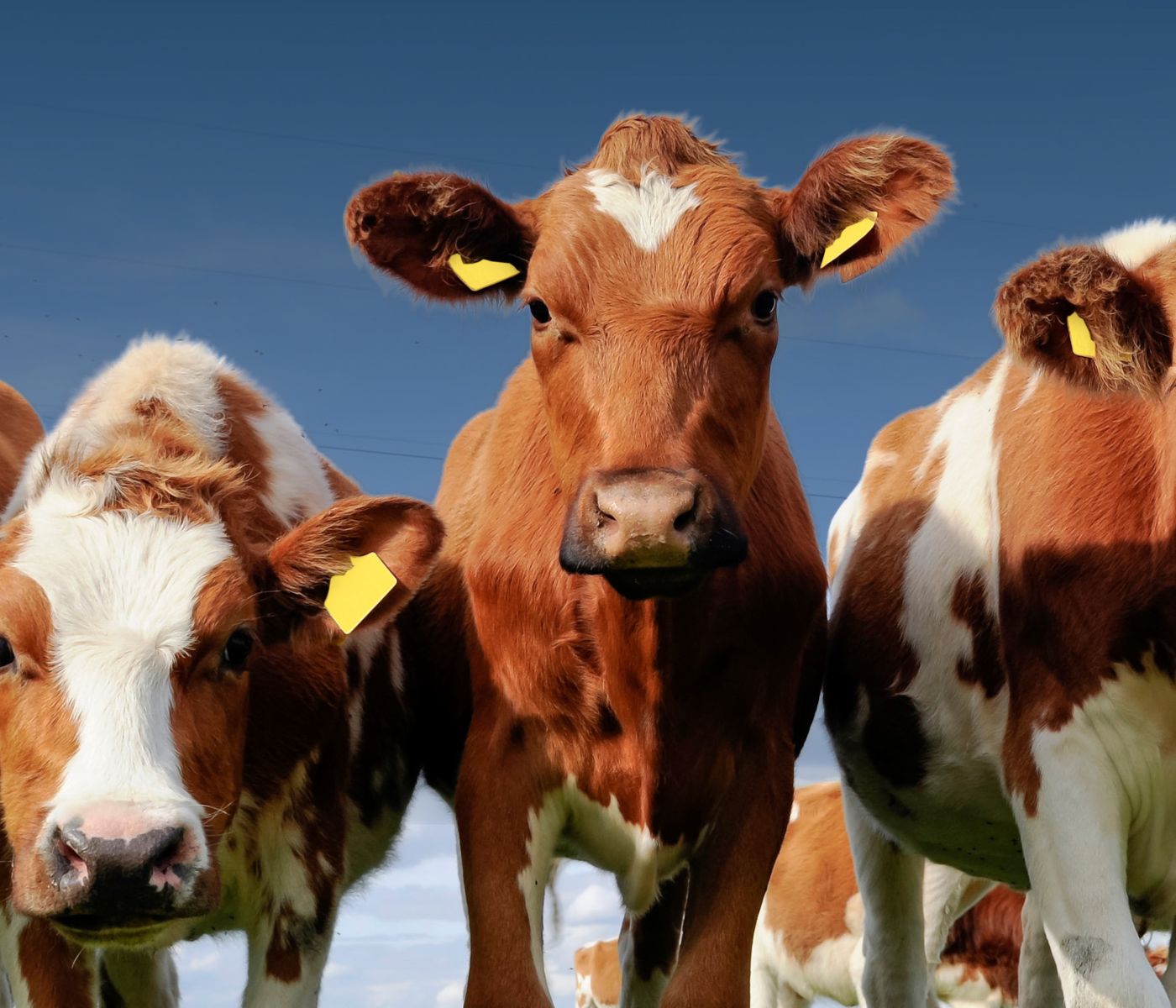
Subacute ruminal acidosis
Net energy and growth: keys to better prediction in swine production
Gabriela Martínez
How starch structure & protein reduction shape gut health in weaned pigs
Diana Luise
Astaxanthin supplementation in aquaculture
Babatunde Saliu
What is intestinal health?
Marcos Rostagno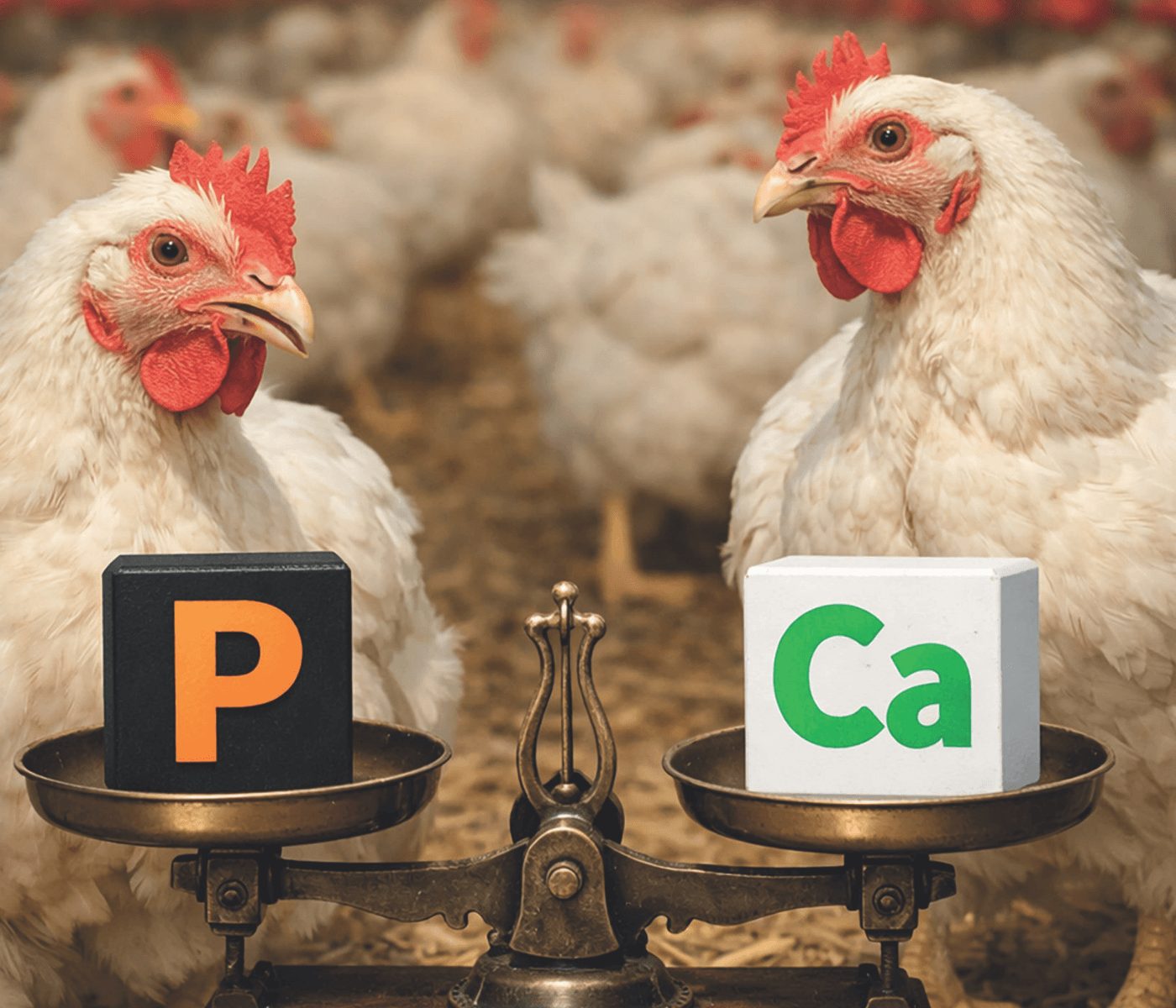
Calcium, phosphorus, and phytase optimization in broiler diets
Anna Cotcho