 06 Apr 2024
In the agricultural world, March marks a crucial juncture as the USDA unveils its projections for the upcoming planting seasons. This year’s report brought unexpected twists, reshaping expectations and trading dynamics in grain markets globally.
USDA Report Unveiled: Surprises and Reactions
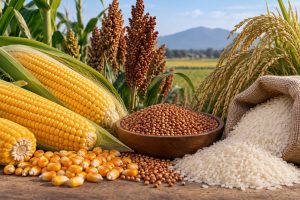
The USDA’s prospective plantings report, disclosed on March 28th, 2024, revealed significant deviations from prior expectations. Notably, corn planted area was estimated to decline by 5%, standing at 90 million acres—a figure that defied market projections. Conversely, soybean acreage saw a 3% uptick, reaching 86.5 million acres. These figures triggered a flurry of activity in the markets, with corn futures rallying by $0.15 per bushel following the revelation, whereas soybean futures remained relatively stable.
Market Implications: Navigating Uncertainties
The market response to the USDA report underscores the delicate balance of supply and demand dynamics. While corn futures surged on reduced acreage projections, soybean markets exhibited resilience, despite increased planting estimates. Amidst these shifts, other factors such as oil futures’ uptick to $83.17 per barrel by March 31st, and Russia’s dominance in the wheat market, add layers of complexity to market dynamics.
Strategic Considerations: Charting a Course

As market players grapple with evolving conditions, strategic decision-making becomes paramount. Understanding seasonal trends and monitoring international developments offer crucial insights for navigating market uncertainties. Additionally, maintaining a balanced approach to marketing, considering weather-related risks and geopolitical tensions, is essential for optimizing outcomes in the ever-fluctuating agricultural landscape.
Conclusions
In conclusion, the March USDA report serves as a pivotal moment for recalibrating strategies and expectations within grain markets. Amidst shifting dynamics, market participants must remain agile, leveraging insights and data to navigate the complexities of the agricultural sector. By embracing adaptability and informed decision-making, stakeholders can seize opportunities and mitigate risks in an ever-evolving market environment.
You may also like to read: “Asia-Pacific Unites for Future Food Security Amid Pandemic & Climate Crisis”
Source: USDA

Subscribe now to the technical magazine of animal nutrition
AUTHORS
From 2025 Data to 2026 Decisions: Managing Mycotoxin Risk in a Changing Climate

Alterion® NE Celebrates 10 Years of Poultry Gut Health Innovation

The Science Behind Kolin Plus: Beyond Choline Replacement
Summer Infertility in Sows: Managing Heat Stress and Reproductive Performance
AO-Biotics® Amaferm®: Supporting Livestock Digestion and Performance

Interview with Güner Gövenç
Güner Gövenç,
Net Energy and Precision Feeding Shape the Future of Poultry Nutrition
Edgar Oviedo
Mycotoxins in Swine: Health Risks and Nutritional Solutions
Giuseppe Carcò
Mycotoxins and Piglet Ear Necrosis: Cause, Cofactor or Coincidence?
Alberto Morillo
How Mycotoxins Affect Intestinal Health in Pigs and Poultry
Marcos Rostagno
From Antibiotics to Functional Feeds in Aquaculture
Babatunde Saliu
Peas as an Alternative to Soybean Meal in Beef Cattle Finishing Diets
Daniel Villalba Mata,
Improving Egg Yolk Pigmentation Through Better Nutrient Transport

Aquaculture and Aquaponics Nutrition: How Fish Shape the Growth of Greens
Trenton Corby
Consistency in Soybean Meal Drives Performance and Sustainability