 04 Oct 2022
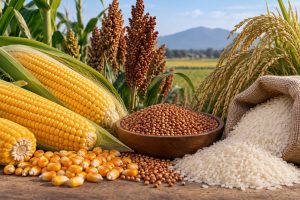
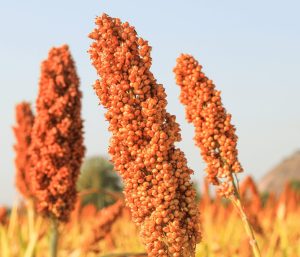
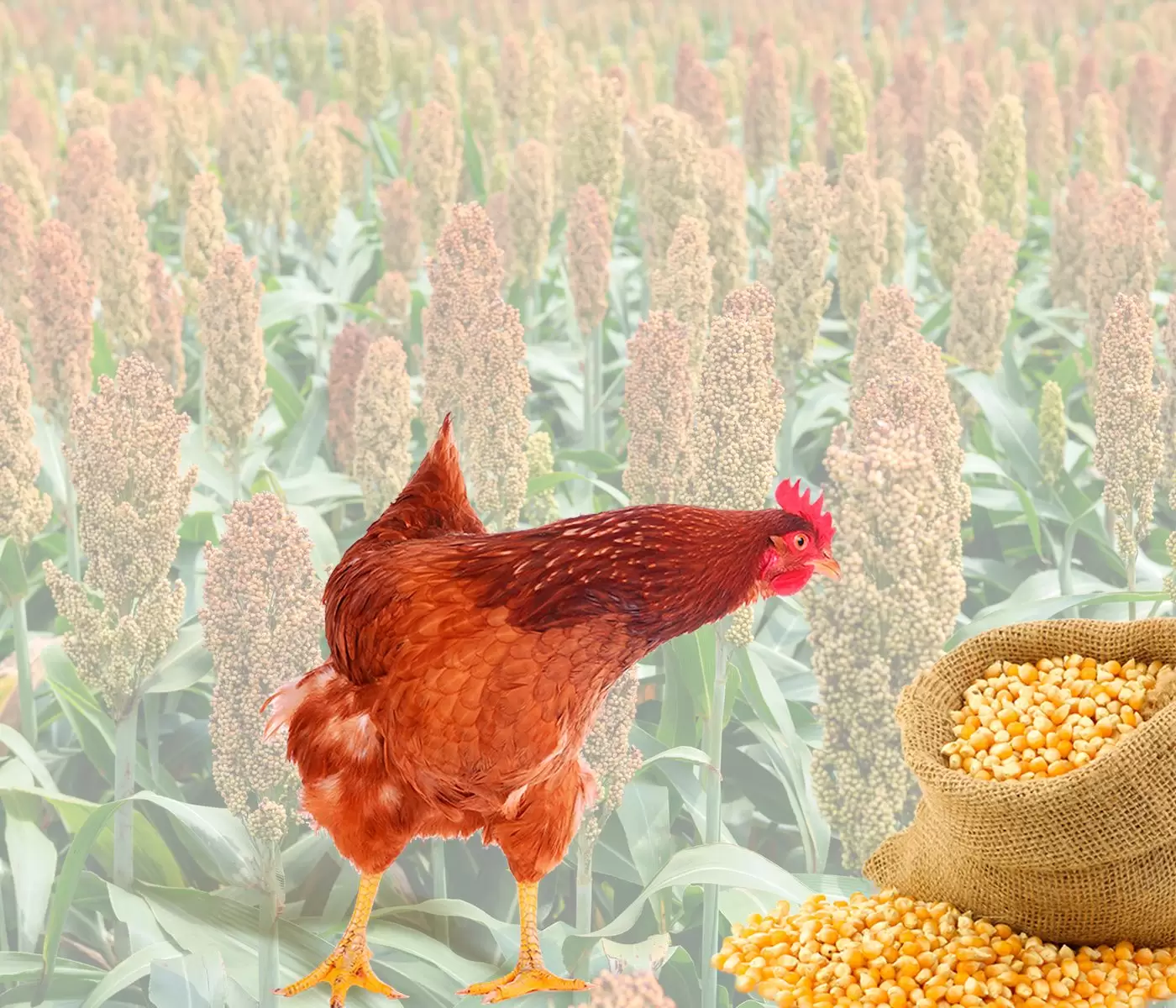
Sorghum grain can be a viable replacement for corn in poultry diets.
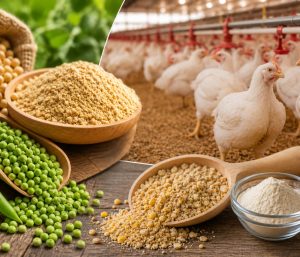
Poultry diets must contain a large percentage of cereal grains that provide protein and energy within the ration. Rations, in general, include corn, wheat, barley, rice and sorghum.
| Sorghum is produced in much smaller quantities than corn in the U.S.. It is also used in lower quantities for poultry feed. |

The new varieties of sorghum are an excellent source of protein and energy for broilers, laying hens, turkeys and waterfowl.
Some sorghum users consider that the cultivation of sorghum generates a lower environmental impact compared to other cereals that require large amounts of moisture and fertilizers.


Nutritional Characteristics
Both the nutritional profile and amino acid digestibility of sorghum are very similar to corn, especially when considering new varieties.
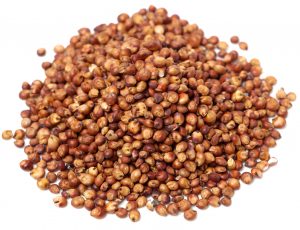
The fat content of the sorghum grain and therefore its energy value is slightly lower compared to corn.
In turn, sorghum contains lower amounts of xanthophylls required for the pigmentation of the yolk and skin of broilers.
In that case, other sources of pigments such as calendula oil, yeast products, synthetic compounds and even corn-based DDGS can be used. These are widely available and can often be included in rations at a minimal cost.
Another feature of sorghum is that it contains a little more available phosphorus. Due to these characteristics, when sorghum is valued at competitive prices, it can be used to replace corn at levels of up to 70% in broilers and layers.
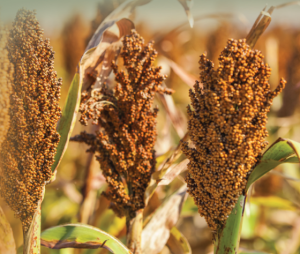
Today’s sorghum
Current varieties of sorghum compare more favorably with maize in lower-cost food formulations. Ancient varieties of sorghum contained relatively high amounts of anti-nutritional compounds called tannins.
The presence of tannins in poultry feed is well known as they suppress the growth and
 yield of all types of poultry. This is due to the fact that tannins bind to proteins and make them less available for metabolism. However, nowadays there are “low tannin” or “99% tannin-free” varieties.


Subscribe now to the technical magazine of animal nutrition
AUTHORS
From 2025 Data to 2026 Decisions: Managing Mycotoxin Risk in a Changing Climate
Alterion® NE Celebrates 10 Years of Poultry Gut Health Innovation
The Science Behind Kolin Plus: Beyond Choline Replacement

Summer Infertility in Sows: Managing Heat Stress and Reproductive Performance
AO-Biotics® Amaferm®: Supporting Livestock Digestion and Performance

Interview with Güner Gövenç
Güner Gövenç,
Net Energy and Precision Feeding Shape the Future of Poultry Nutrition
Edgar Oviedo
Mycotoxins in Swine: Health Risks and Nutritional Solutions
Giuseppe Carcò
Mycotoxins and Piglet Ear Necrosis: Cause, Cofactor or Coincidence?
Alberto Morillo
How Mycotoxins Affect Intestinal Health in Pigs and Poultry
Marcos Rostagno
From Antibiotics to Functional Feeds in Aquaculture
Babatunde Saliu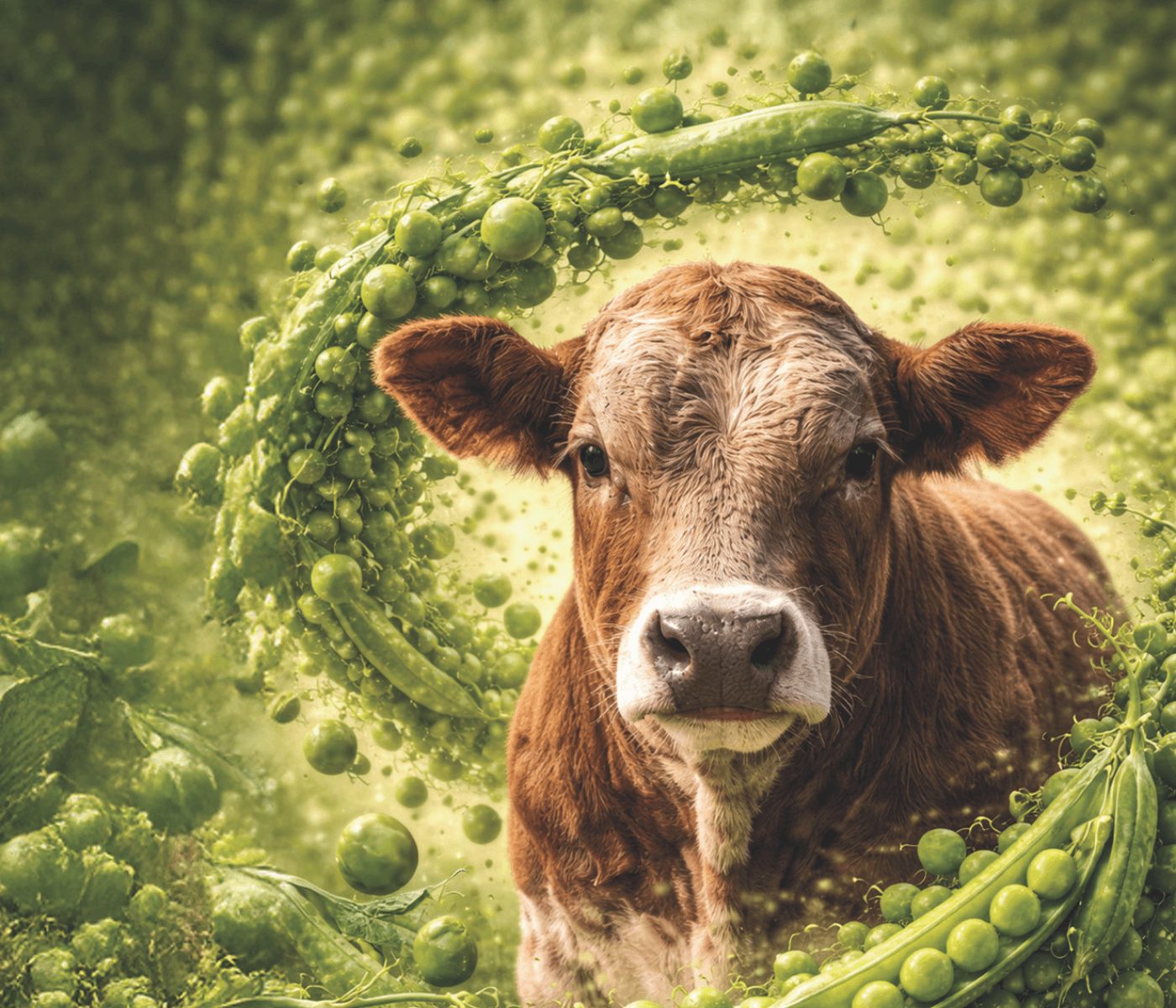
Peas as an Alternative to Soybean Meal in Beef Cattle Finishing Diets
Daniel Villalba Mata,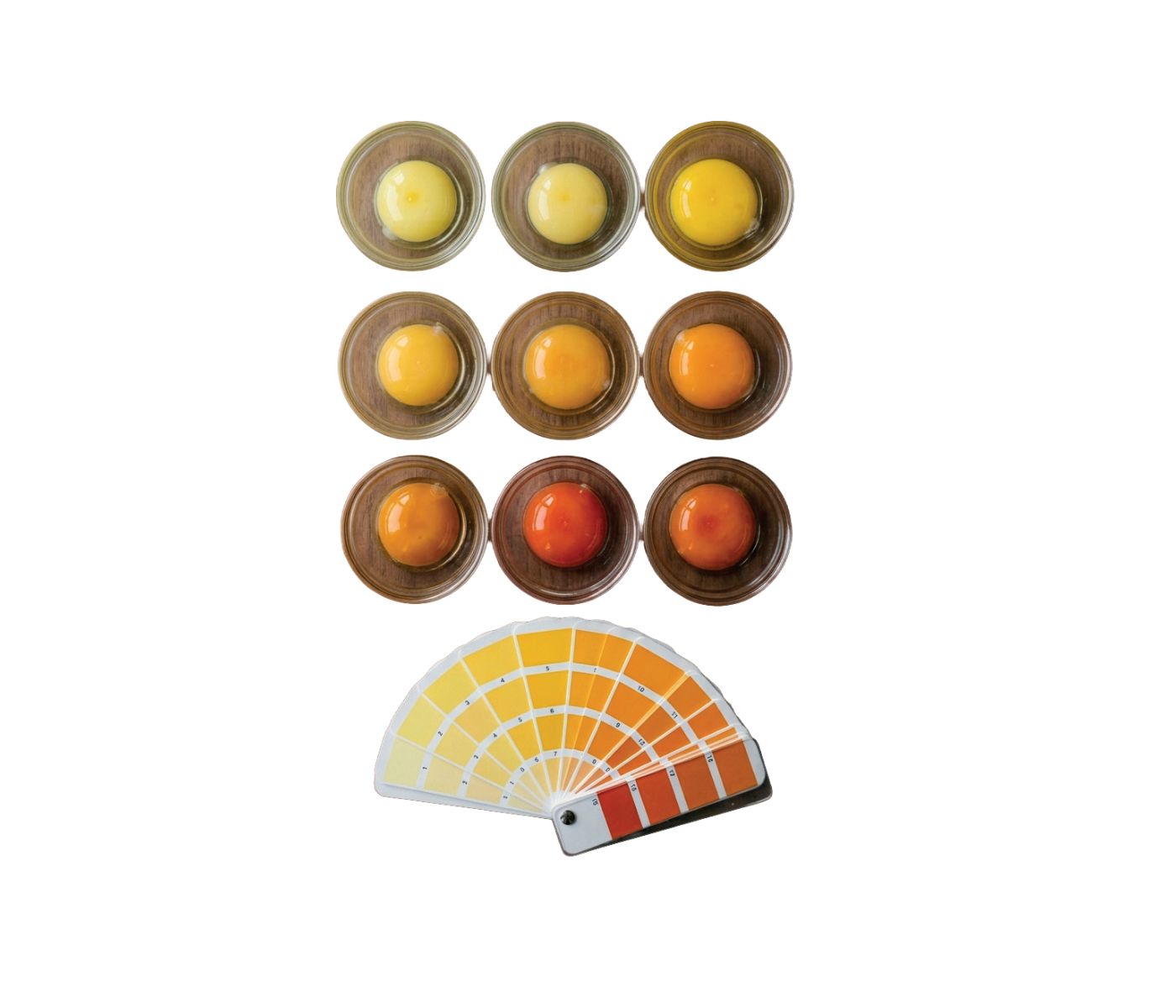
Improving Egg Yolk Pigmentation Through Better Nutrient Transport

Aquaculture and Aquaponics Nutrition: How Fish Shape the Growth of Greens
Trenton Corby
Consistency in Soybean Meal Drives Performance and Sustainability