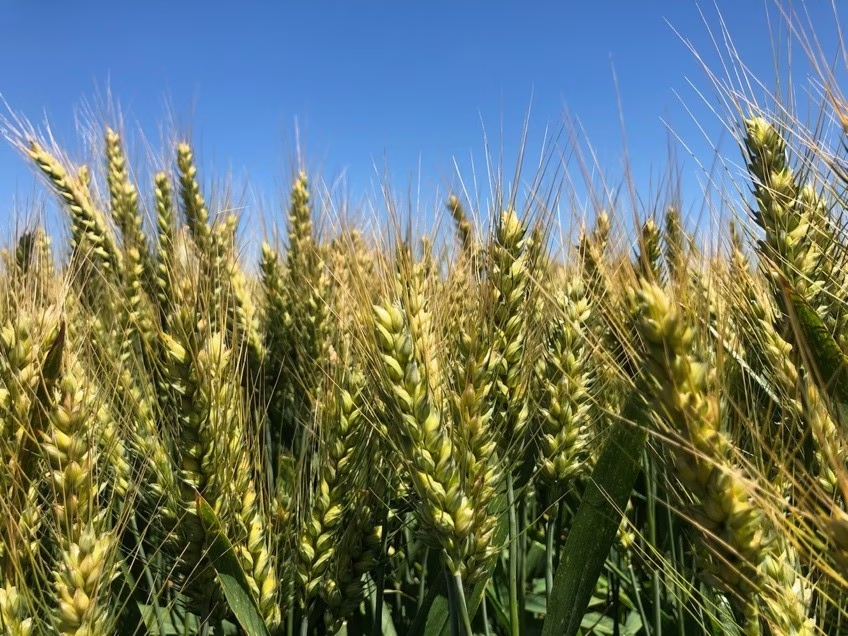
Australian wheat prices rose to nearly two-year highs May 8, with the Australian Premium White (APW) and Australian Standard White with no protein guarantee (ASW1) hitting $279/mt and $274/mt FOB Kwinana, respectively, based on price assessment data from Platts, part of S&P Global Energy, in a report written by Vivien Tang of S&P Global.
Year-to-date, APW has risen $30/mt, while ASW1 rose $37/mt in the same period.
Besides a seasonal slowdown in grower sales, coinciding with the winter crop planting beginning late April and the spot market window approaching the end of the marketing year in September, price support has also stemmed from a strong Australian dollar and firmer input costs from the Middle East conflict, said several Australian and Asian grains trade sources.
While fertilizer and diesel supply concerns have abated slightly amid ongoing efforts by the Australian government to secure alternative supplies outside the Middle East, domestic prices remain elevated, which is discouraging growers from selling grain at current track market levels, said a Perth-based trade source.


The report also noted that granular urea prices from Southeast Asia, one of the regions Australia has turned to for additional nitrogen-based fertilizers, are up 63% since the beginning of the Middle East war late February, and were last assessed by Platts at $799/mt FOB May 7.
Considerations of higher input costs are also driving growers toward more profitable crops compared to wheat, primarily barley and canola, leading to widespread expectations of lower wheat acreage in the 2026-27 marketing year (October to September), though some trade sources said it remains too early to estimate the extent of acreage reduction.
Additionally, a strong Australian dollar has been bullish for Australian wheat prices in 2026 thus far, according to multiple Australian wheat traders, with the Australian dollar eclipsing 72 US cents in May, a level last seen in April 2022.




More bullishness could be in store as the market now braces for an El Nino event later in the year, based on long-range forecasts by Australia’s Bureau of Meteorology.
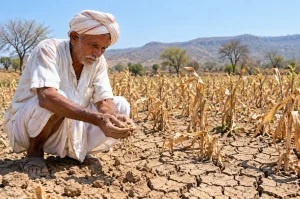
Several sources in Western Australia and Victoria told S&P Global that the driest cropping regions of northern New South Wales and Queensland have continued to miss out on much-needed precipitation, with subsoil moisture levels remaining below average, based on the Australian Water Outlook, while Western Australia could also benefit from more moisture, though there is still time yet for the situation to improve.



Subscribe now to the technical magazine of animal nutrition
AUTHORS

From 2025 Data to 2026 Decisions: Managing Mycotoxin Risk in a Changing Climate

Alterion® NE Celebrates 10 Years of Poultry Gut Health Innovation

The Science Behind Kolin Plus: Beyond Choline Replacement

Summer Infertility in Sows: Managing Heat Stress and Reproductive Performance

AO-Biotics® Amaferm®: Supporting Livestock Digestion and Performance

Interview with Güner Gövenç
Güner Gövenç,
Net Energy and Precision Feeding Shape the Future of Poultry Nutrition
Edgar Oviedo
Mycotoxins in Swine: Health Risks and Nutritional Solutions
Giuseppe Carcò
Mycotoxins and Piglet Ear Necrosis: Cause, Cofactor or Coincidence?
Alberto Morillo
How Mycotoxins Affect Intestinal Health in Pigs and Poultry
Marcos Rostagno
From Antibiotics to Functional Feeds in Aquaculture
Babatunde Saliu
Peas as an Alternative to Soybean Meal in Beef Cattle Finishing Diets
Daniel Villalba Mata,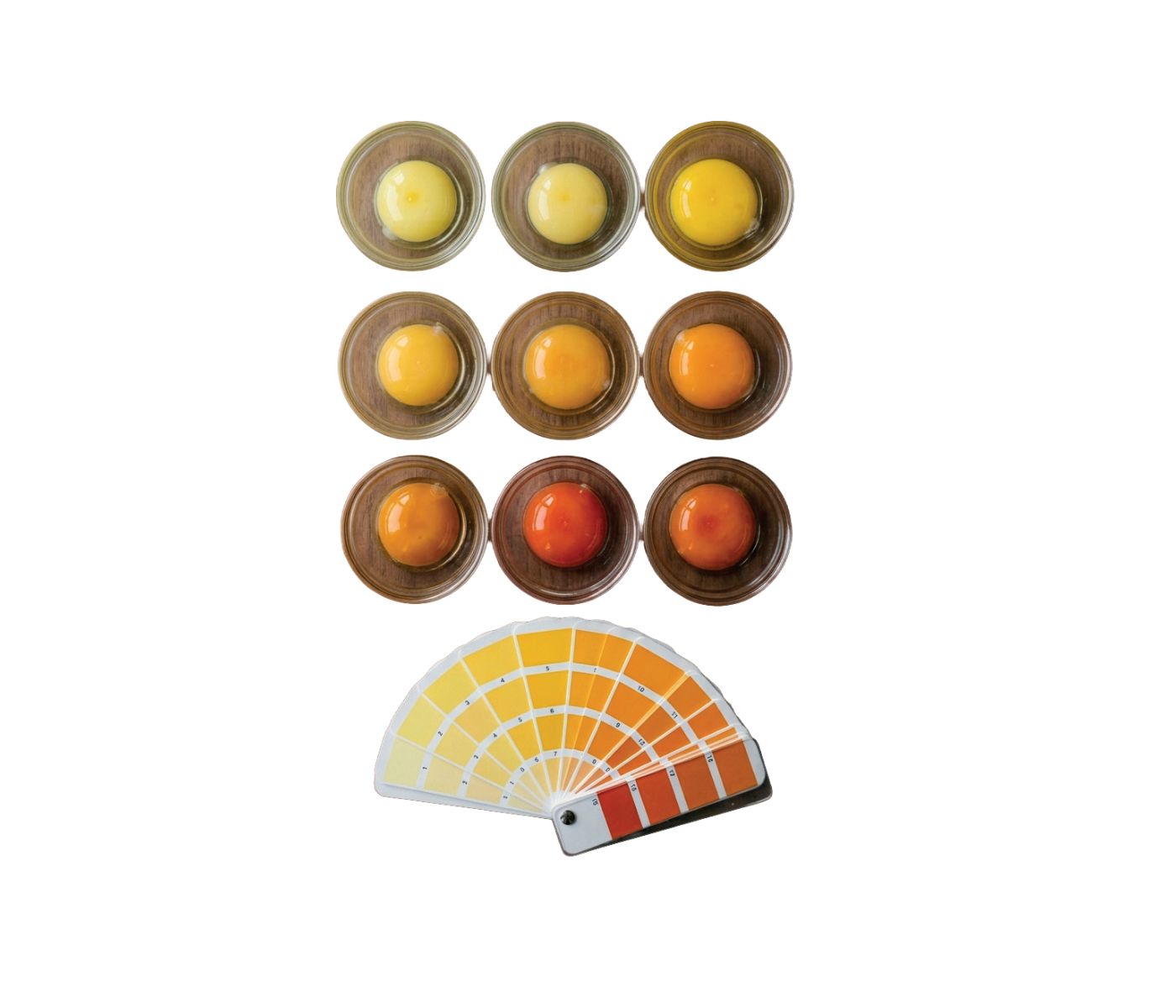
Improving Egg Yolk Pigmentation Through Better Nutrient Transport

Aquaculture and Aquaponics Nutrition: How Fish Shape the Growth of Greens
Trenton Corby
Consistency in Soybean Meal Drives Performance and Sustainability