 26 Jun 2026
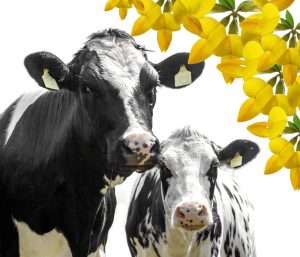
Animal nutrition is undergoing a profound transformation. Bioactive feed additives are moving beyond their traditional role as nutritional supplements and becoming strategic tools that support animal health, productivity, and environmental sustainability.
The livestock industry is entering a new era of nutrition. Historically, feed formulation focused primarily on providing nutrients to maximize growth and production. Today, however, nutrition strategies are increasingly aligned with the principles of One Health, recognizing the close connections between animal health, human health, and environmental sustainability.
At the center of this transition are bioactive feed additives, a broad group of compounds capable of influencing gut function, immune responses, digestive efficiency, and even environmental outcomes such as greenhouse gas emissions.
Modern animal nutrition is increasingly focused on functionality rather than simply meeting nutrient requirements.


Bioactive compounds actively interact with the animal’s physiology by:
Global priorities such as combating antimicrobial resistance, reducing the environmental footprint of livestock systems, and responding to consumer demand for safer and more sustainable products are accelerating the adoption of these nutritional solutions.
By supporting gut health and immune function, bioactive additives can help animals better cope with environmental stressors and reduce the incidence of gastrointestinal disorders, thereby reducing the need for prophylactic antibiotic use.

Phytogenic feed additives have become one of the most dynamic areas of feed innovation.
These products include essential oils, herbs, spices, and plant extracts rich in bioactive compounds such as polyphenols and terpenes.
Research has demonstrated that many phytogenics possess:
One of the most significant developments in this category has been the introduction of encapsulation and nano-delivery technologies, which protect sensitive compounds during feed processing and ensure their controlled release within the gastrointestinal tract.
The gut microbiome is increasingly recognized as a cornerstone of animal health and productivity.
Probiotics such as Lactobacillus and Bacillus species can help exclude pathogens and stimulate mucosal immunity.
Prebiotics, including compounds such as inulin and oligosaccharides, selectively stimulate the growth of beneficial microorganisms.
More recently, interest has shifted toward synbiotics, which combine probiotics and prebiotics to maximize potential synergistic effects on intestinal health and performance.
These approaches are particularly relevant in poultry and swine systems, where gut integrity is closely linked to feed efficiency and disease resistance.
Feed enzymes remain among the most successful nutritional technologies in modern livestock production.
Carbohydrases, proteases, and phytases improve nutrient digestibility by breaking down feed components that animals cannot efficiently utilize on their own.
Benefits include:
Enzymes are now being explored for new applications, including improving the digestibility of emerging feed ingredients such as microalgae and single-cell proteins.
Organic acids continue to play a major role in poultry and swine nutrition.
These compounds lower gastrointestinal pH, improve nutrient solubility, and interfere with the metabolism of pathogenic bacteria.
Increasingly, organic acids are being combined with probiotics and phytogenics to create multifunctional nutritional solutions capable of supporting performance and resilience under commercial conditions.
Another emerging area is the incorporation of agricultural co-products and by-products into animal feeding programs.
Ingredients such as:
can provide valuable sources of natural bioactive compounds, including fibers and polyphenols, while supporting circular economy objectives.
Upcycling agricultural residues into feed ingredients offers a pathway to reduce feed costs and improve sustainability simultaneously.
Bioactive additives are increasingly important tools for achieving global sustainability targets.
By improving feed efficiency, animals require less feed to produce the same amount of meat, milk, or eggs, reducing both production costs and resource use.
In ruminant systems, certain plant-derived compounds—including tannins, saponins, and selected essential oils—have shown considerable promise in modifying rumen fermentation patterns and reducing methane emissions.
These nutritional interventions offer opportunities to improve environmental performance without compromising animal productivity.
Despite their considerable promise, several challenges remain.
Animal responses can vary significantly between species, production systems, and environmental conditions. In addition, optimal doses are often narrow, and regulatory frameworks remain fragmented across different markets.
The next frontier in bioactive nutrition will likely be precision feeding.
Advanced technologies such as:
are expected to improve our understanding of host-microbe-diet interactions and allow nutritionists to develop increasingly targeted feeding strategies.
Future feeding programs may dynamically adjust combinations and inclusion levels of bioactive compounds according to:
Bioactive feed additives are rapidly becoming essential components of sustainable livestock systems.
Their ability to improve gut health, support immune competence, reduce nutrient losses, and contribute to environmental goals positions them at the center of future nutrition strategies.
As animal agriculture increasingly adopts precision technologies and embraces One Health principles, bioactive additives will likely play an even greater role in building resilient, efficient, and sustainable production systems.
The transition toward sustainable animal agriculture requires innovative nutritional solutions that go beyond traditional feed formulation.
Bioactive feed additives are emerging as one of the industry’s most powerful tools for aligning productivity with animal health and environmental responsibility.
By combining science, technology, and precision nutrition, the livestock sector has an opportunity to support global One Health objectives while building more efficient and resilient production systems.
Subscribe now to the technical magazine of animal nutrition
AUTHORS
From 2025 Data to 2026 Decisions: Managing Mycotoxin Risk in a Changing Climate
Alterion® NE Celebrates 10 Years of Poultry Gut Health Innovation
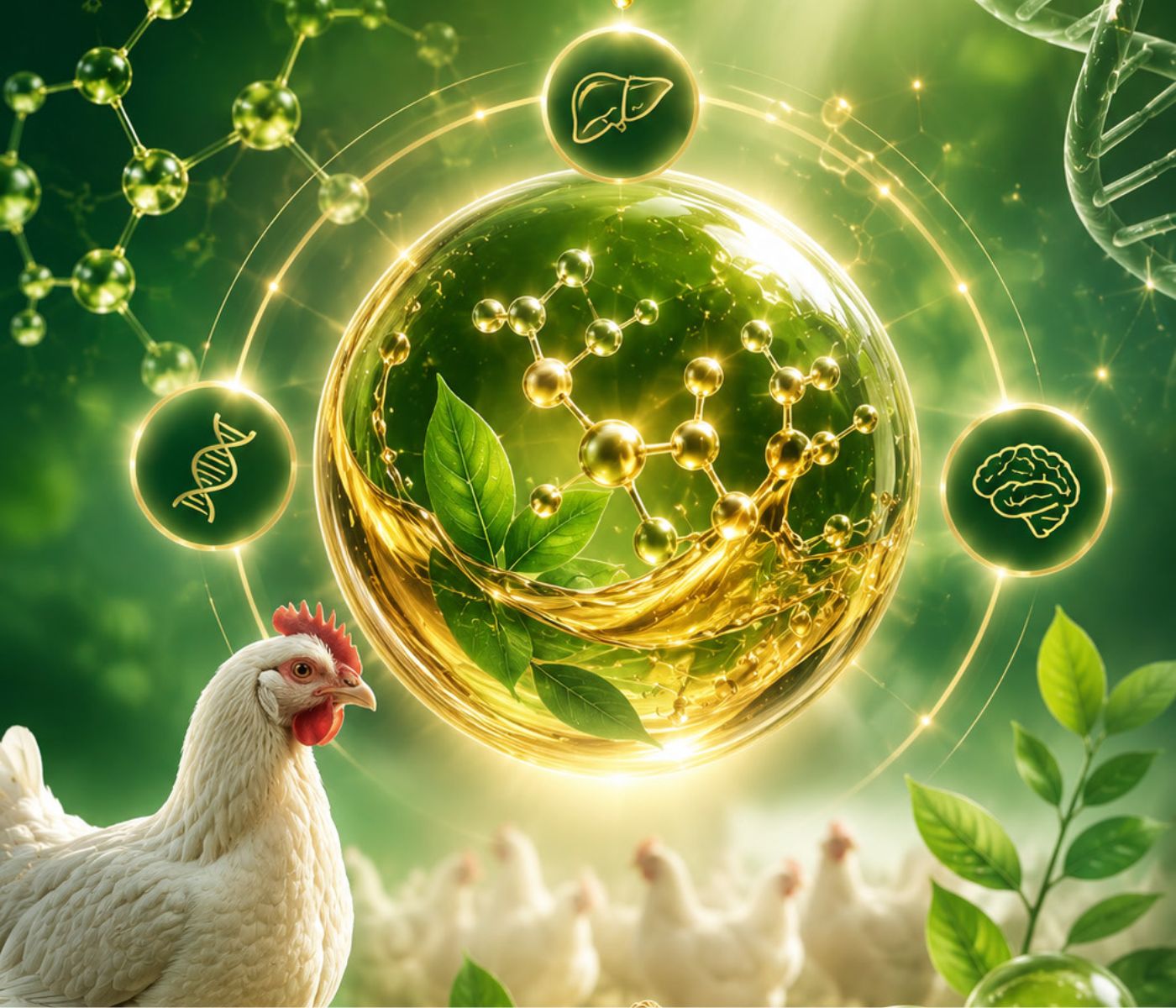
The Science Behind Kolin Plus: Beyond Choline Replacement

Summer Infertility in Sows: Managing Heat Stress and Reproductive Performance
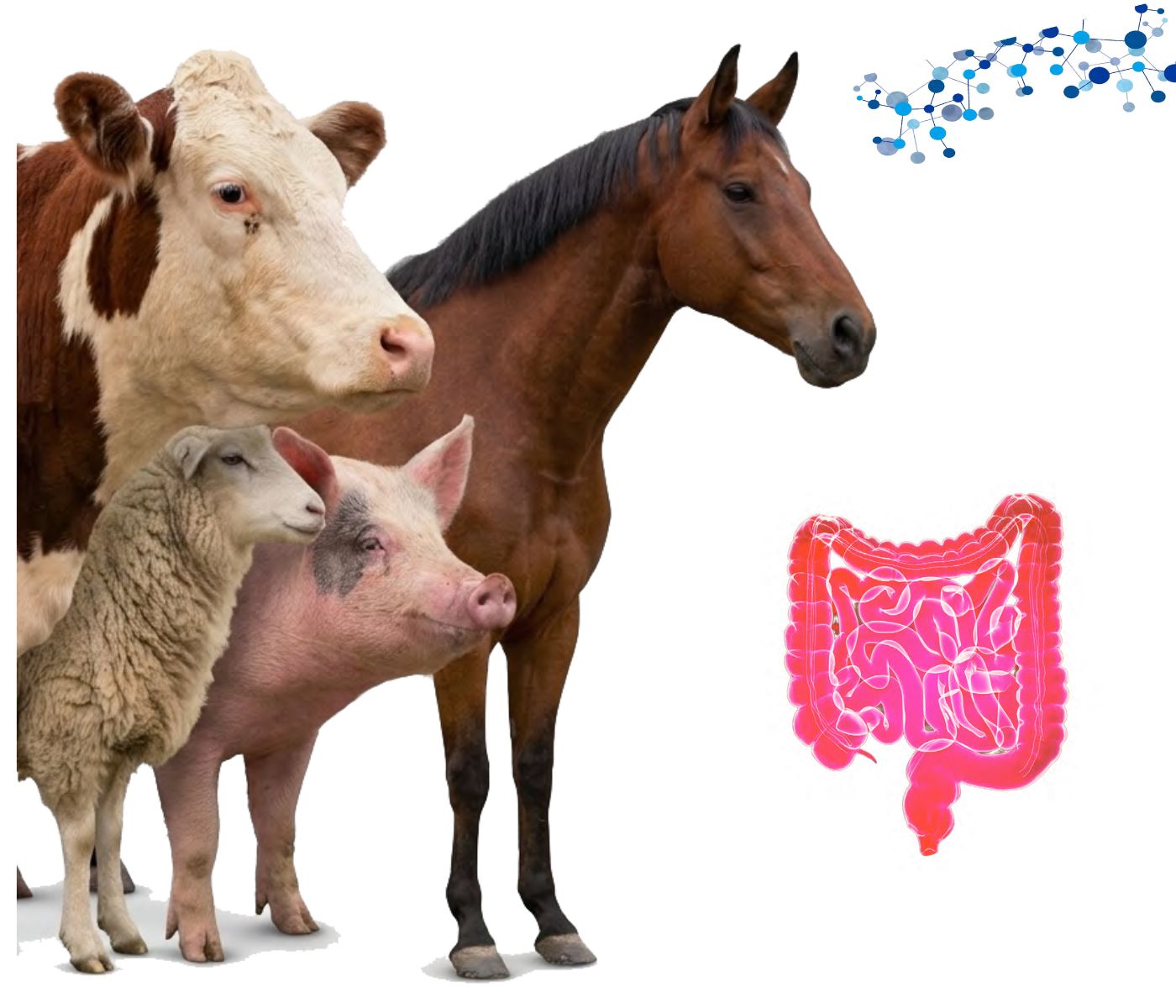
AO-Biotics® Amaferm®: Supporting Livestock Digestion and Performance

Interview with Güner Gövenç
Güner Gövenç,
Net Energy and Precision Feeding Shape the Future of Poultry Nutrition
Edgar Oviedo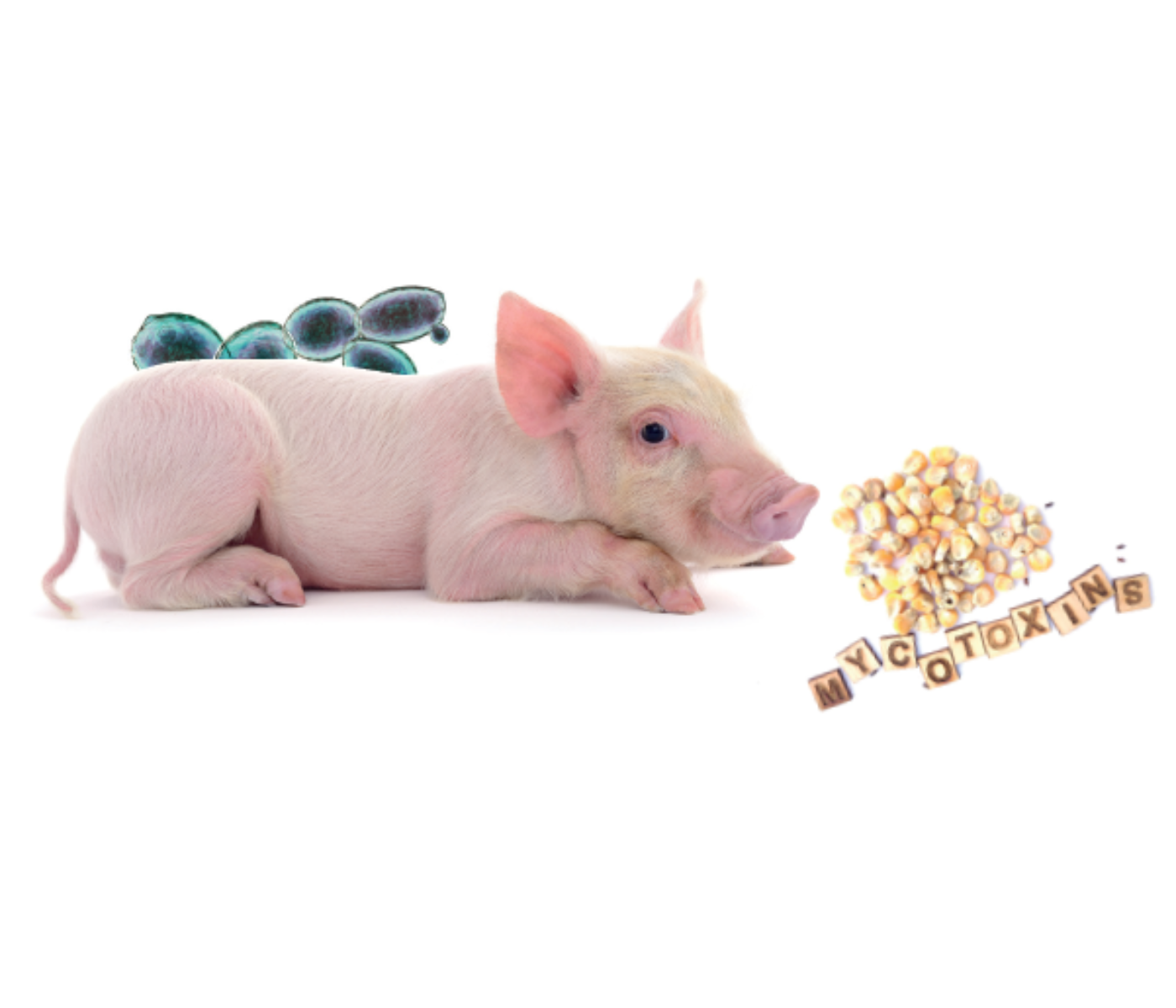
Mycotoxins in Swine: Health Risks and Nutritional Solutions
Giuseppe Carcò
Mycotoxins and Piglet Ear Necrosis: Cause, Cofactor or Coincidence?
Alberto Morillo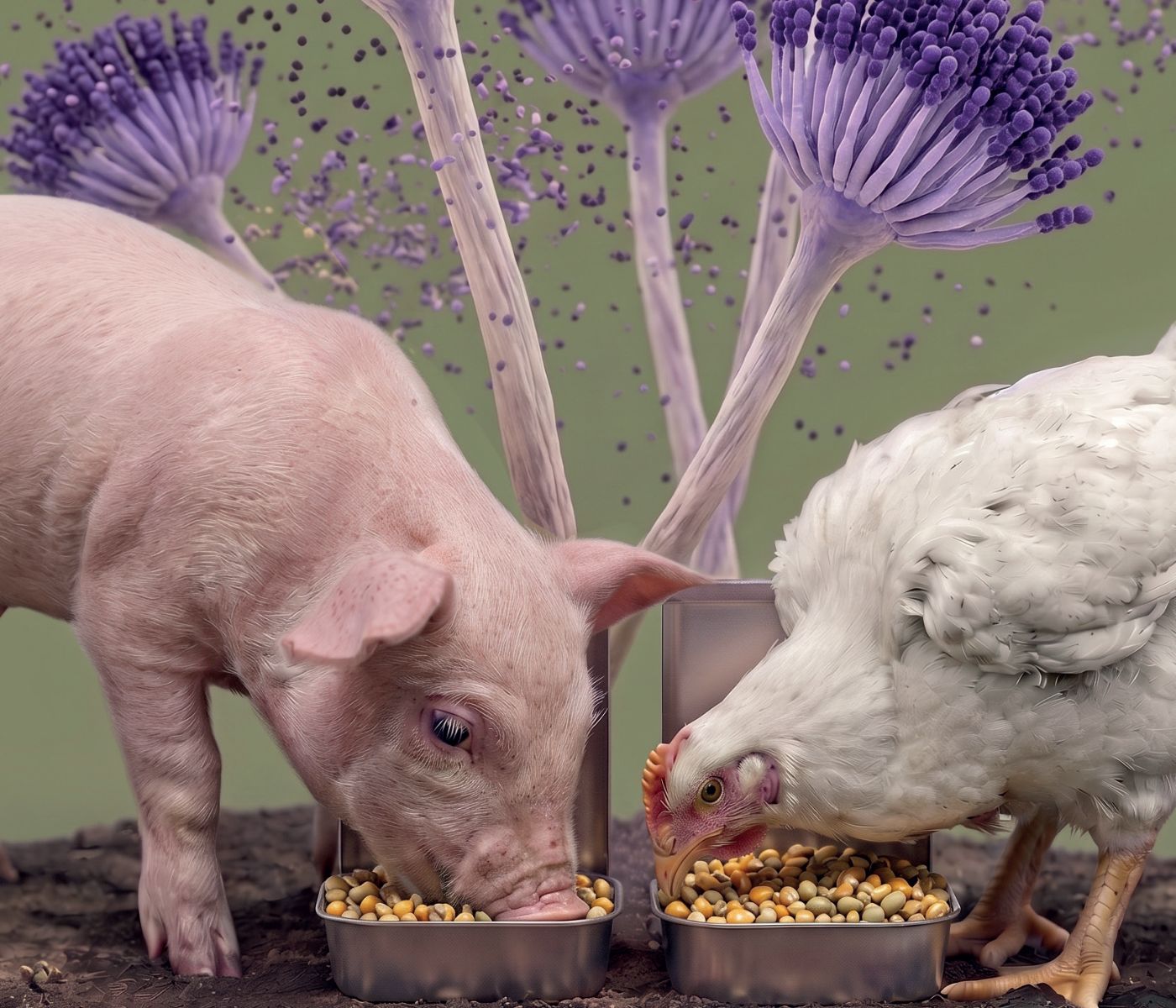
How Mycotoxins Affect Intestinal Health in Pigs and Poultry
Marcos Rostagno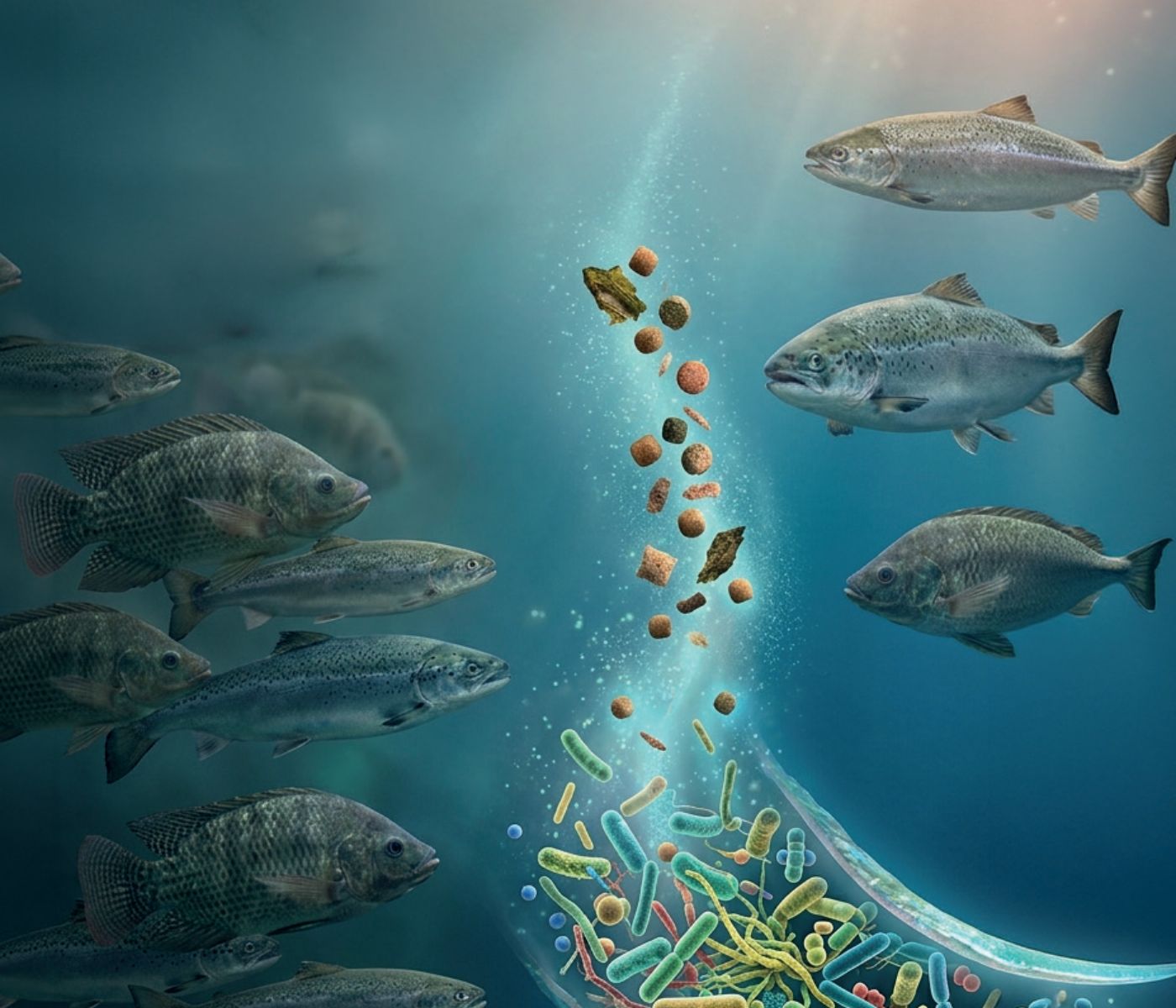
From Antibiotics to Functional Feeds in Aquaculture
Babatunde Saliu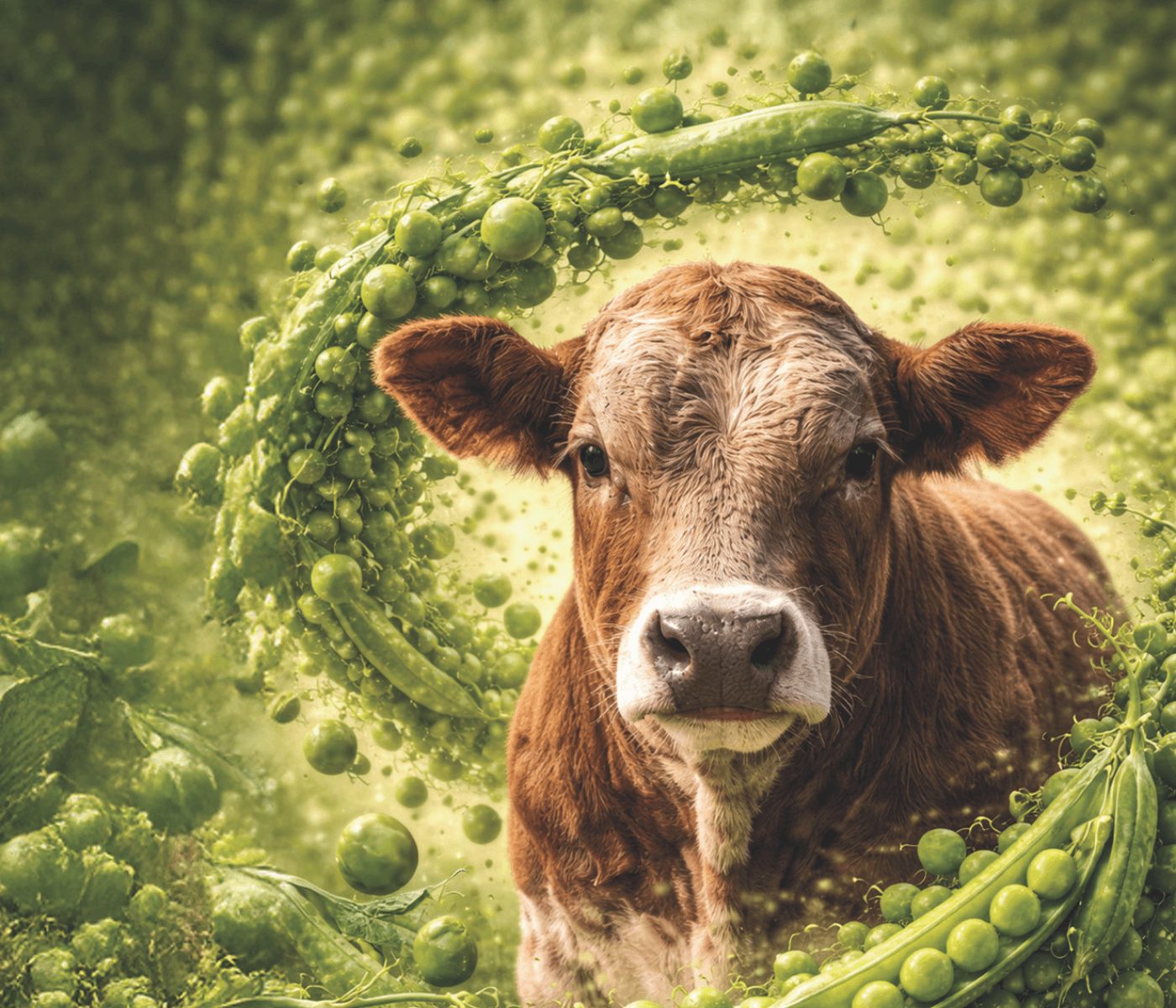
Peas as an Alternative to Soybean Meal in Beef Cattle Finishing Diets
Daniel Villalba Mata,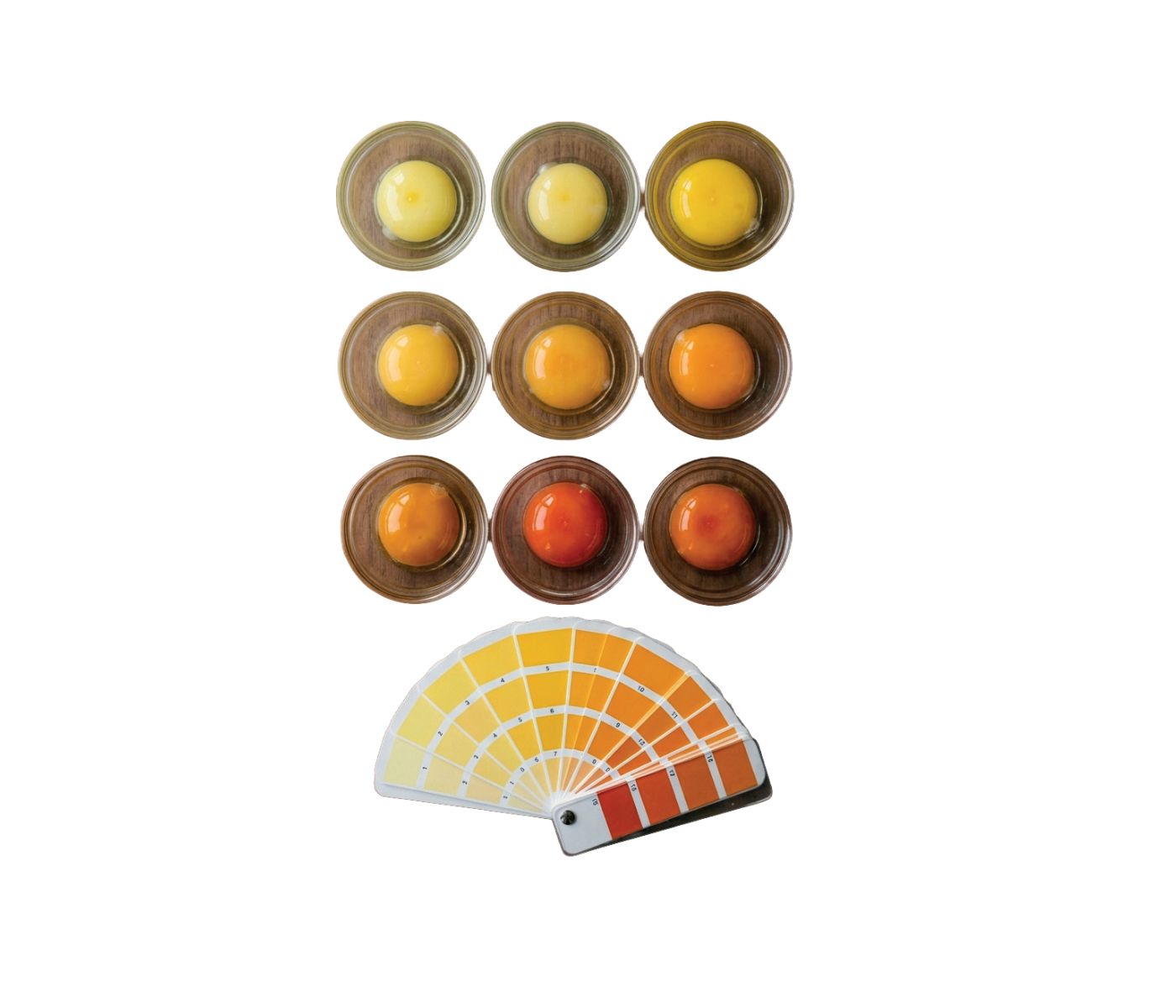
Improving Egg Yolk Pigmentation Through Better Nutrient Transport

Aquaculture and Aquaponics Nutrition: How Fish Shape the Growth of Greens
Trenton Corby
Consistency in Soybean Meal Drives Performance and Sustainability