 15 Sep 2022
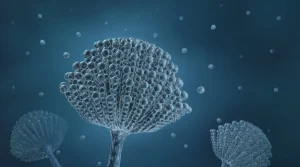
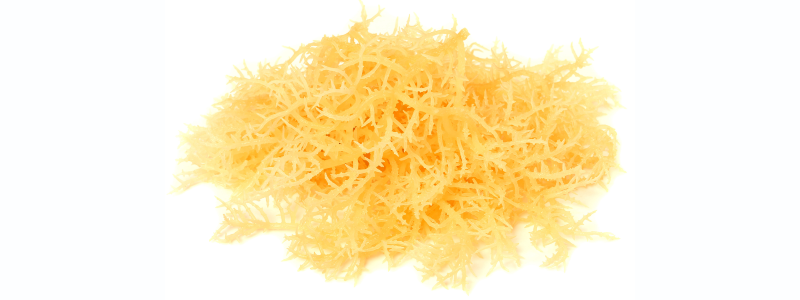
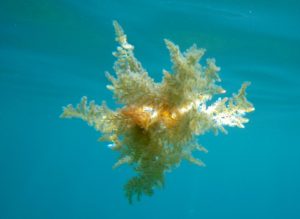
Seaweed or marine algae belong to a large group of autotrophic organisms. They can be unicellular (microalgae or phytoplankton) or multicellular (macroalgae) with sizes ranging from 0.2-2.0 microns up to 60 m, respectively. Their reproduction occurs through simple division and due to the simplicity of their structure, they tend to grow faster than any other plant. Therefore, they are characterized as the most productive plants on the planet (Marsall, 2007):
There are about 320,500 species of algae.The amount of cultivated or native macroalgae used in industry during recent years rounds up to nearly 7.5-8 million tons per year (Becker, 2007).


Nutritional composition of algae
The nutritional value of algae depends on their size, digestibility, presence of toxic substances and chemical composition (Becker, 1994).

Algae are a remarkable source of protein, with a content of 10-15% in macro-algae (Oliveira et al., 2009) and 28-71% in microalgae. In addition, the content of certain amino acids such as lysine, methionine, tryptophan, threonine, valine, histidine and isoleucine is comparable to that of eggs or soybean seeds.

Subscribe now to the technical magazine of animal nutrition
AUTHORS
From 2025 Data to 2026 Decisions: Managing Mycotoxin Risk in a Changing Climate
Alterion® NE Celebrates 10 Years of Poultry Gut Health Innovation
The Science Behind Kolin Plus: Beyond Choline Replacement

Summer Infertility in Sows: Managing Heat Stress and Reproductive Performance
AO-Biotics® Amaferm®: Supporting Livestock Digestion and Performance

Interview with Güner Gövenç
Güner Gövenç,
Net Energy and Precision Feeding Shape the Future of Poultry Nutrition
Edgar Oviedo
Mycotoxins in Swine: Health Risks and Nutritional Solutions
Giuseppe Carcò
Mycotoxins and Piglet Ear Necrosis: Cause, Cofactor or Coincidence?
Alberto Morillo
How Mycotoxins Affect Intestinal Health in Pigs and Poultry
Marcos Rostagno
From Antibiotics to Functional Feeds in Aquaculture
Babatunde Saliu
Peas as an Alternative to Soybean Meal in Beef Cattle Finishing Diets
Daniel Villalba Mata,
Improving Egg Yolk Pigmentation Through Better Nutrient Transport
Aquaculture and Aquaponics Nutrition: How Fish Shape the Growth of Greens
Trenton Corby
Consistency in Soybean Meal Drives Performance and Sustainability