
Press release 23 Oct


Corn stands as the predominant feed ingredient in global poultry nutrition, wielding a profound influence on the health and performance..

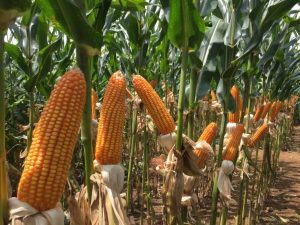
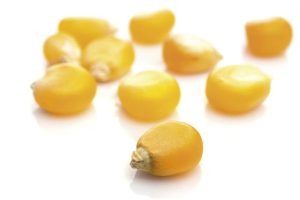
Corn stands as the predominant feed ingredient in global poultry nutrition, wielding a profound influence on the health and performance of flocks. Contributing up to 65% of metabolizable energy and 20% of crude protein in poultry diets, maize’s nutritional significance is well-established. However, the inherent variability in its energy value poses challenges with far-reaching consequences for poultry welfare and performance.

In the realm of animal nutrition, yellow dent corn is typically characterized by test weight per bushel, physical appearance, and crude protein content. Proximate analyses are employed to estimate its energy values. Recognizing the prevalent variability, efforts are underway to gain a deeper understanding of the parameters influencing corn composition, identify key indicators, and develop strategies in production and processing to minimize this variability.
Variability in Corn Composition: Unveiling Nature’s Complexity
The composition of corn is subject to variability influenced by factors such as the position of the kernel in the cob, genetic varieties, and plantation location. Research indicates that the position in the cob can cause variations in nutrient and non-starch polysaccharides (NSP) content. The content of nutrients, their availability, and NSP composition vary across maize genotypes, suggesting a complex interplay of genetic and environmental factors.
Physico-Chemical Properties: Unraveling the Complexity
The vitreousness of corn, indicating the ratio of hard to soft endosperm, is closely linked to starch properties and zein content. Corn with high vitreousness tends to have higher amylose and zein content, influencing starch granule characteristics. However, the correlation between vitreousness and nutritional quality for poultry is complex, varying with corn genetics.


Another marker of corn nutritional value is the protein solubility index (PSI) in 0.5M NaCl. PSI variations among corn samples highlight the importance of this parameter in evaluating corn quality, with implications for poultry nutrition.
Effects of Thermal Processing: Navigating the Impact
Thermal processing, specifically drying temperatures, plays a crucial role in corn variability. Studies indicate that drying corn at different temperatures can alter amylose content, damaged starch, NSP composition, and particle size after milling. Corn variety and drying temperature interactively affect particle size, emphasizing the need for a comprehensive understanding of these factors in feed formulation.
The Impact on Poultry Nutrition: Bridging the Knowledge Gap
The observed changes in corn composition, physicochemical properties, and thermal processing have downstream effects on energy value, non-starch polysaccharide content, and feed quality. Ongoing research aims to delineate these impacts more comprehensively, offering insights into determining high-quality corn and strategies to better control variability.
You can read the whole article here
In the next installment, we will delve into these impacts in greater detail, providing a holistic view of corn variability and its implications for poultry nutrition.
Subscribe now to the technical magazine of animal nutrition
AUTHORS
From 2025 Data to 2026 Decisions: Managing Mycotoxin Risk in a Changing Climate
Alterion® NE Celebrates 10 Years of Poultry Gut Health Innovation
The Science Behind Kolin Plus: Beyond Choline Replacement
Summer Infertility in Sows: Managing Heat Stress and Reproductive Performance
AO-Biotics® Amaferm®: Supporting Livestock Digestion and Performance

Interview with Güner Gövenç
Güner Gövenç,
Net Energy and Precision Feeding Shape the Future of Poultry Nutrition
Edgar Oviedo
Mycotoxins in Swine: Health Risks and Nutritional Solutions
Giuseppe Carcò
Mycotoxins and Piglet Ear Necrosis: Cause, Cofactor or Coincidence?
Alberto Morillo
How Mycotoxins Affect Intestinal Health in Pigs and Poultry
Marcos Rostagno
From Antibiotics to Functional Feeds in Aquaculture
Babatunde Saliu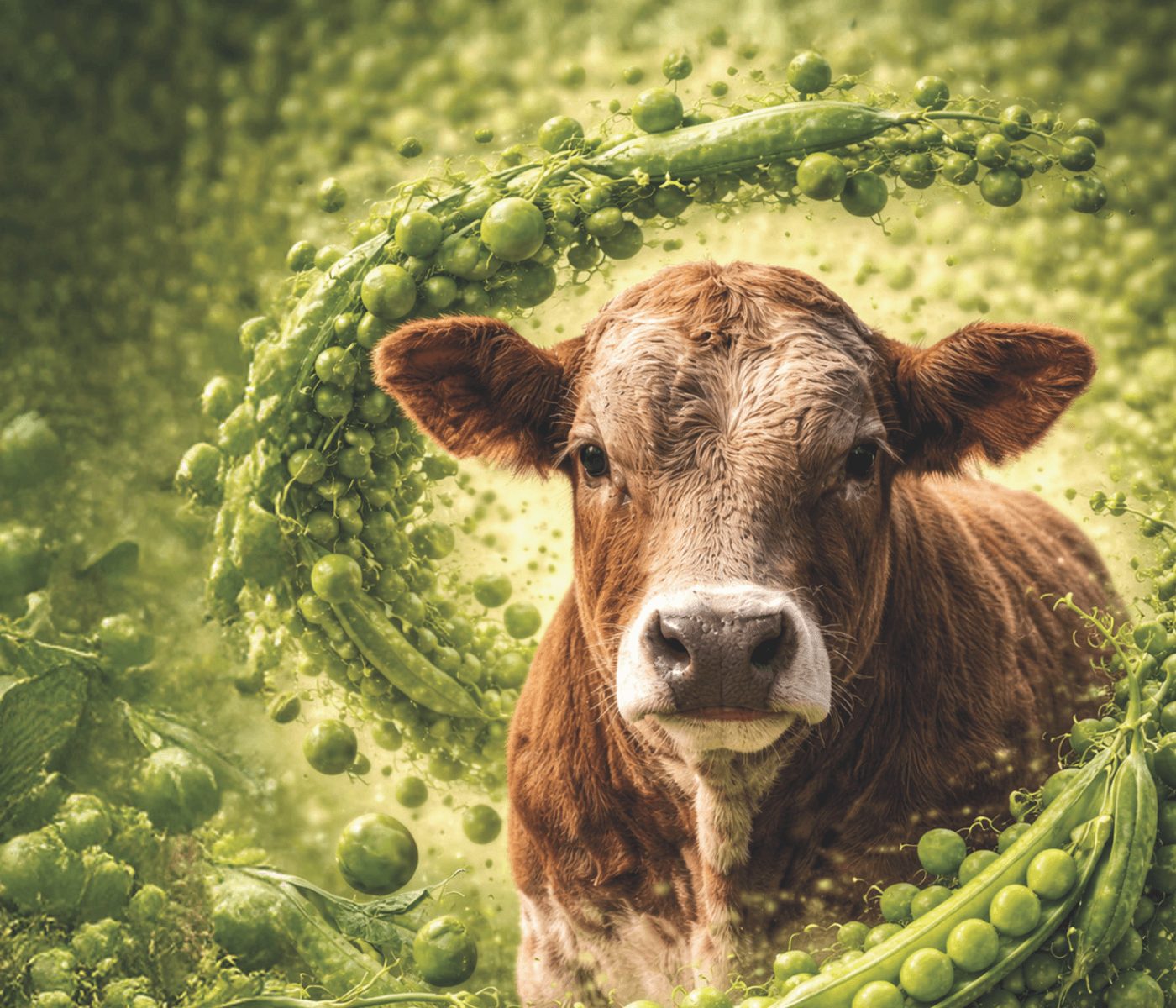
Peas as an Alternative to Soybean Meal in Beef Cattle Finishing Diets
Daniel Villalba Mata,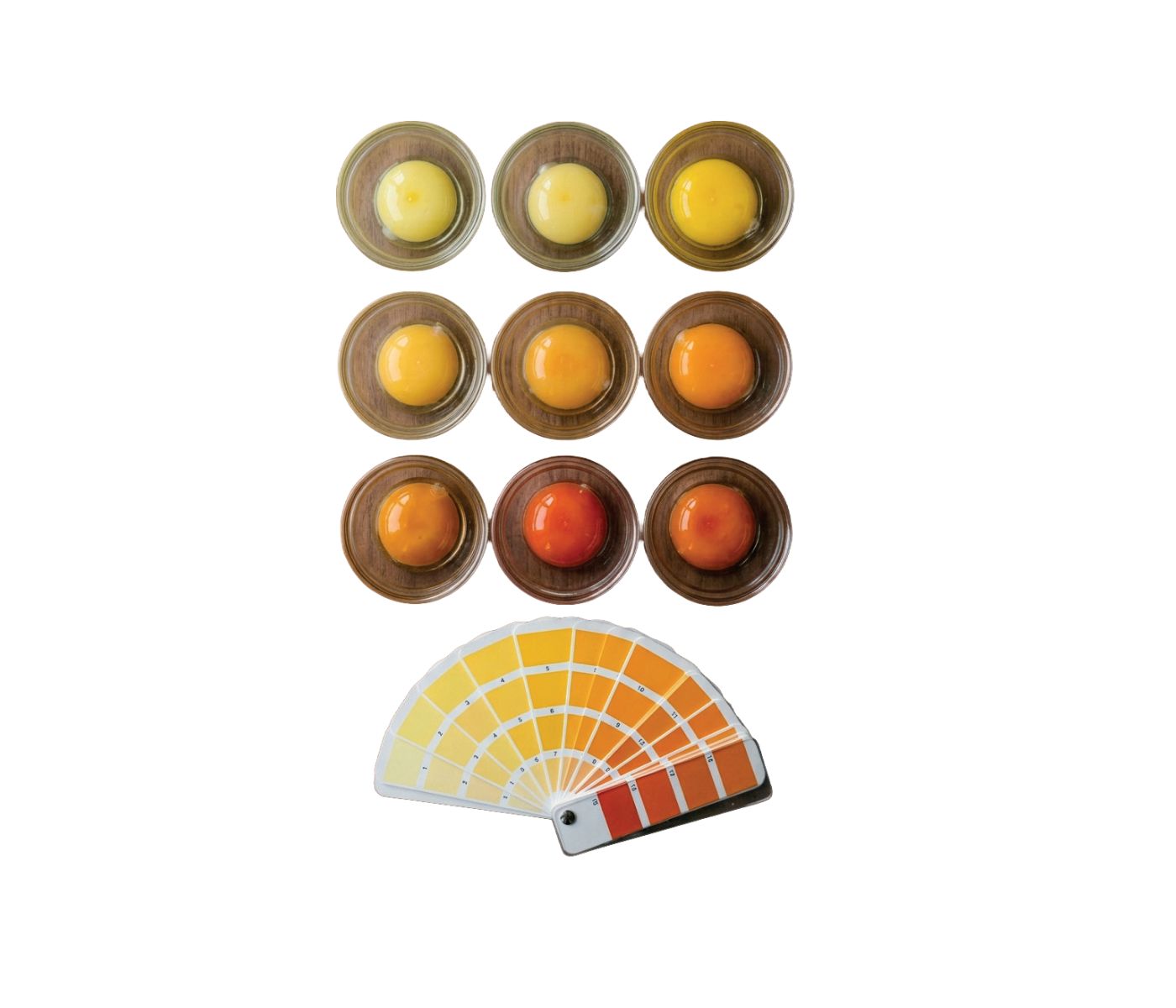
Improving Egg Yolk Pigmentation Through Better Nutrient Transport

Aquaculture and Aquaponics Nutrition: How Fish Shape the Growth of Greens
Trenton Corby
Consistency in Soybean Meal Drives Performance and Sustainability