



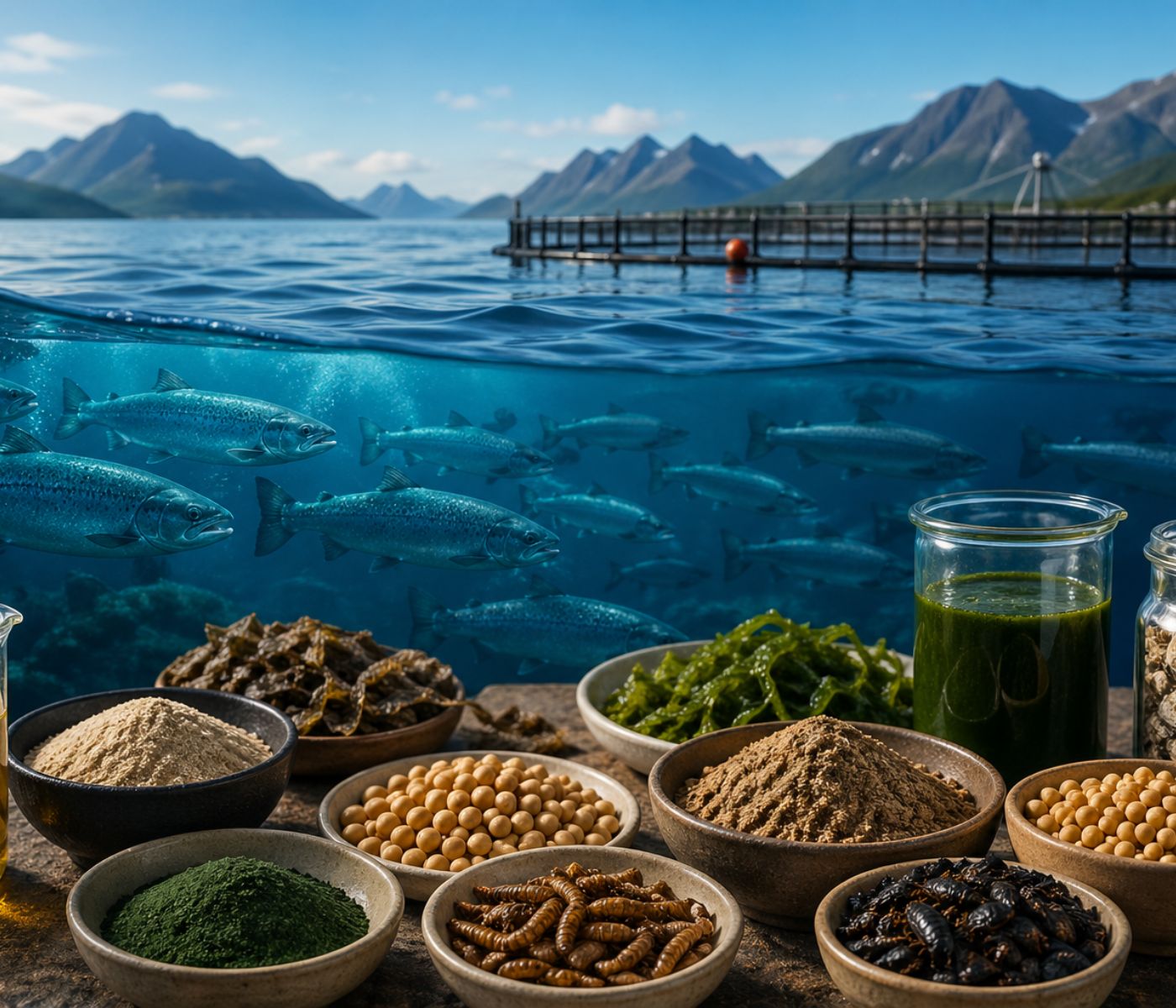
The future of aquaculture feeds will depend on combining nutritional performance with sustainability, circularity, and responsible ingredient sourcing.




 20 May 2026
Aquaculture is one of the fastest-growing animal production sectors in the world, and feed remains one of its most important pillars. As production expands, the industry faces the challenge of supplying high-quality diets while reducing pressure on marine resources, improving feed efficiency, and supporting environmental sustainability.
In this context, the search for sustainable and circular raw materials has become central to the future of aquafeed formulation. Nutritionists are no longer evaluating ingredients only by protein or energy content, but also by digestibility, functionality, environmental footprint, availability, and contribution to circular economy systems.
The future of aquaculture feeds will depend on combining nutritional performance with sustainability, circularity, and responsible ingredient sourcing.
Traditional aquafeeds have relied heavily on fishmeal and fish oil because of their excellent amino acid profile, digestibility, palatability, and content of essential fatty acids. However, the limited availability and cost of marine ingredients have encouraged the sector to diversify its raw material base.

This shift is not simply about replacing fishmeal. It is about developing more resilient feed systems capable of supporting:
Ingredient innovation is helping aquaculture move from linear resource use toward more circular and sustainable feed production models.
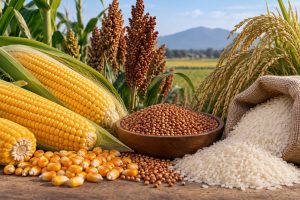
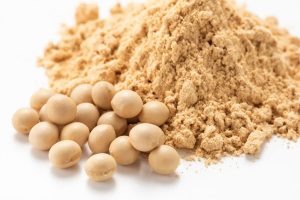
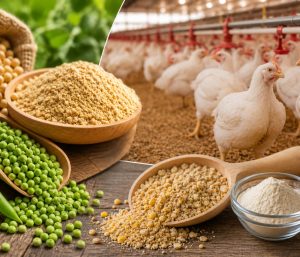
Plant-based ingredients such as soybean meal, wheat gluten, corn gluten meal, rapeseed meal, sunflower meal, and pea protein have become important components of modern aquafeeds.

These raw materials offer several advantages, including broad availability, competitive cost, and high protein contribution. However, they also require careful formulation due to potential limitations such as:
Plant proteins remain essential for aquafeed formulation, but their successful use depends on digestibility, amino acid balance, processing quality, and species-specific tolerance.
Insect meals are gaining attention as circular protein sources for aquaculture. Species such as black soldier fly larvae can convert organic side streams into high-value biomass rich in protein, lipids, minerals, and bioactive compounds.
For aquafeeds, insect-derived ingredients may offer:
Insect meals represent one of the clearest examples of circular feed innovation, transforming organic side streams into valuable aquaculture nutrients.
Algae-based ingredients are especially promising because they can provide proteins, pigments, bioactive compounds, and long-chain omega-3 fatty acids. Microalgae are particularly relevant as alternative sources of DHA and EPA, helping reduce reliance on fish oil.
Microbial proteins, including yeast, bacteria, and single-cell proteins, are also being explored for their potential to provide consistent, scalable, and highly digestible nutrients.
Algae and microbial ingredients can support both nutritional performance and sustainability by providing alternative proteins, fatty acids, pigments, and functional compounds.
Processed animal proteins and other approved by-products can contribute to circularity by recovering nutrients from existing food and livestock production chains. When properly processed and regulated, these ingredients can provide high-quality protein and minerals for aquafeeds.
Their use depends heavily on regional regulations, quality standards, safety controls, and consumer acceptance. However, they remain an important part of the broader discussion on reducing waste and improving nutrient recovery.
Circular raw materials can reduce waste and improve nutrient efficiency, but safety, traceability, and regulatory compliance are essential.
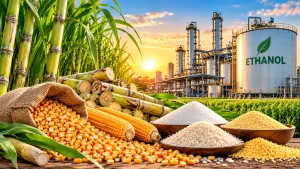
Agricultural and food-processing by-products can play an important role in sustainable aquafeed systems. These may include oilseed meals, cereal co-products, fermentation residues, and other nutrient-rich side streams.
Their value depends on:
Using by-products in aquafeeds can improve circularity, but consistent quality control is essential for reliable performance.
The future of aquafeed ingredients is not limited to protein replacement. Increasingly, raw materials are also valued for functional benefits that support gut health, immune function, stress resistance, and disease resilience.
Functional feed ingredients may include:
Functional ingredients help aquaculture feeds support not only growth, but also health, resilience, and production stability.
As ingredient diversity increases, precision formulation becomes essential. Nutritionists must evaluate raw materials based on digestible nutrients rather than crude composition alone.
Key considerations include:
Sustainable aquafeeds require precision formulation that balances nutrient supply, ingredient functionality, cost, and environmental impact.
Aquaculture feed ingredients are evolving rapidly as the sector works to meet rising seafood demand while reducing environmental pressure.
The future of aquafeeds will rely on a broader portfolio of sustainable and circular raw materials, including plant proteins, insect meals, algae, microbial ingredients, by-products, and functional additives.
By combining ingredient innovation with precision nutrition, aquaculture can continue improving productivity while building more resilient and responsible feed systems.
Sustainable and circular raw materials are not simply alternatives; they are becoming the foundation of the next generation of aquaculture feeds.




Subscribe now to the technical magazine of animal nutrition
AUTHORS
From 2025 Data to 2026 Decisions: Managing Mycotoxin Risk in a Changing Climate
Alterion® NE Celebrates 10 Years of Poultry Gut Health Innovation
The Science Behind Kolin Plus: Beyond Choline Replacement
Summer Infertility in Sows: Managing Heat Stress and Reproductive Performance
AO-Biotics® Amaferm®: Supporting Livestock Digestion and Performance

Interview with Güner Gövenç
Güner Gövenç,
Net Energy and Precision Feeding Shape the Future of Poultry Nutrition
Edgar Oviedo
Mycotoxins in Swine: Health Risks and Nutritional Solutions
Giuseppe Carcò
Mycotoxins and Piglet Ear Necrosis: Cause, Cofactor or Coincidence?
Alberto Morillo
How Mycotoxins Affect Intestinal Health in Pigs and Poultry
Marcos Rostagno
From Antibiotics to Functional Feeds in Aquaculture
Babatunde Saliu
Peas as an Alternative to Soybean Meal in Beef Cattle Finishing Diets
Daniel Villalba Mata,
Improving Egg Yolk Pigmentation Through Better Nutrient Transport
Aquaculture and Aquaponics Nutrition: How Fish Shape the Growth of Greens
Trenton Corby
Consistency in Soybean Meal Drives Performance and Sustainability